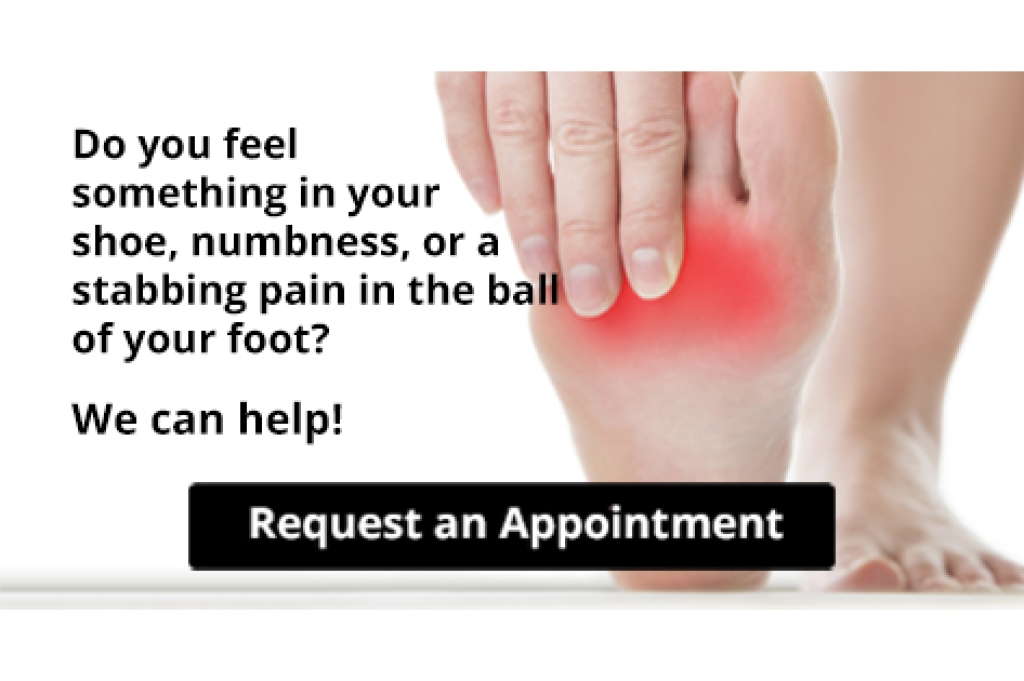
Suffering from this type of pain? You may have the foot condition known as Morton's neuroma. Morton's neuroma may develop as a result of ill-fitting footwear and existing foot deformities. We can help.
Suffering from this type of pain? You may have the foot condition known as Morton's neuroma. Morton's neuroma may develop as a result of ill-fitting footwear and existing foot deformities. We can help.
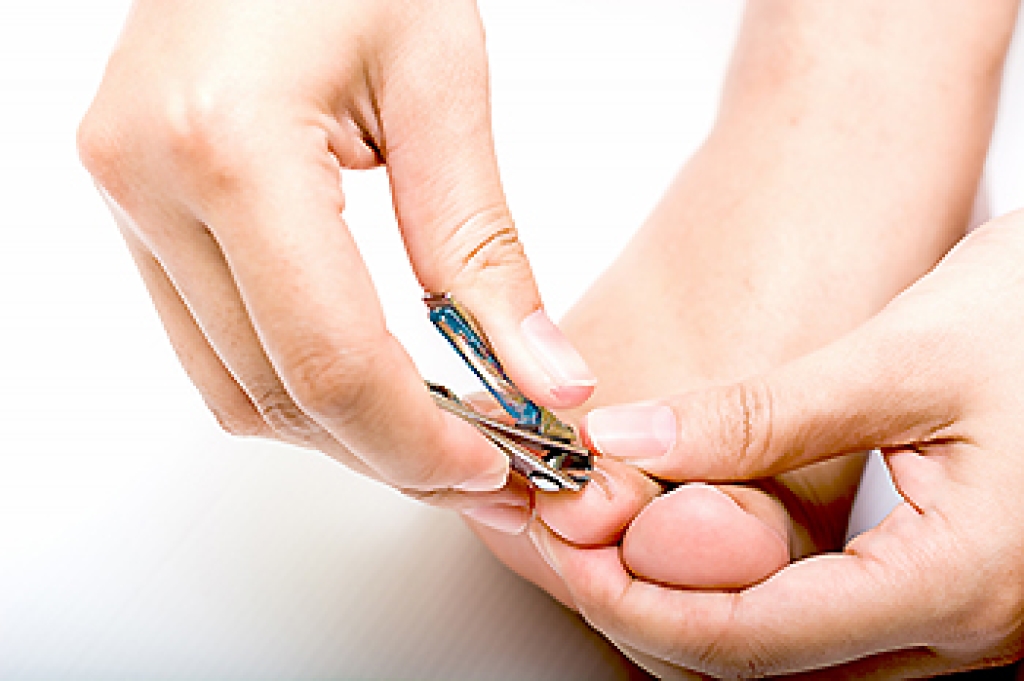
Cutting one’s toenails is a key component of maintaining healthy feet. Not only does keeping your toenails cut to an appropriate length help stave off the development of ingrown toenails, it is also a way to make your feet look more visually appealing. However, many individuals who attempt to cut their toenails fail to utilize the appropriate tools for this critical self-care practice. For example, many individuals attempt to cut their toenails by using a pair of regular scissors or even a cutting knife. These tools are not appropriate and can be very dangerous. Instead, you may opt for a proper pair of toenail clippers. It is important that you utilize a different, larger pair of nail clippers used exclusively for your toenails. This is because using the same pair of nail clippers on both your fingernails and your toenails can spread bacteria and be unhealthy. In addition to having two pairs of different nail clippers, you should also be mindful of keeping them clean. You can clean and disinfect your pair of toenail clippers after each use to make sure that you are doing your best to prevent the spread of harmful bacteria. Lastly, another proper tool for cutting your toenails is a nail file, such as an emery board. You can use this tool to smooth the edges of your nails after clipping them. For more information on the proper tools you should be using to cut your toenails, consult a podiatrist.
Everyday foot care is very important to prevent infection and other foot ailments. If you need your feet checked, contact James Torhorst, DPM from Torhorst Foot and Ankle. Our doctor can provide the care you need to keep you pain-free and on your feet.
Everyday Foot Care
Often, people take care of their bodies, face and hair more so than they do for their feet. But the feet are a very important aspect of our bodies, and one that we should pay more attention to. Without our feet, we would not be able to perform most daily tasks.
It is best to check your feet regularly to make sure there are no new bruises or cuts that you may not have noticed before. For dry feet, moisturizer can easily be a remedy and can be applied as often as necessary to the affected areas. Wearing shoes that fit well can also help you maintain good foot health, as well as making it easier to walk and do daily activities without the stress or pain of ill-fitting shoes, high heels, or even flip flops. Wearing clean socks with closed shoes is important to ensure that sweat and bacteria do not accumulate within the shoe. Clean socks help to prevent Athlete’s foot, fungi problems, bad odors, and can absorb sweat.
If you have any questions, please feel free to contact our offices located in Waupaca and Stevens Point, WI . We offer the newest diagnostic and treatment technologies for all your foot care needs.
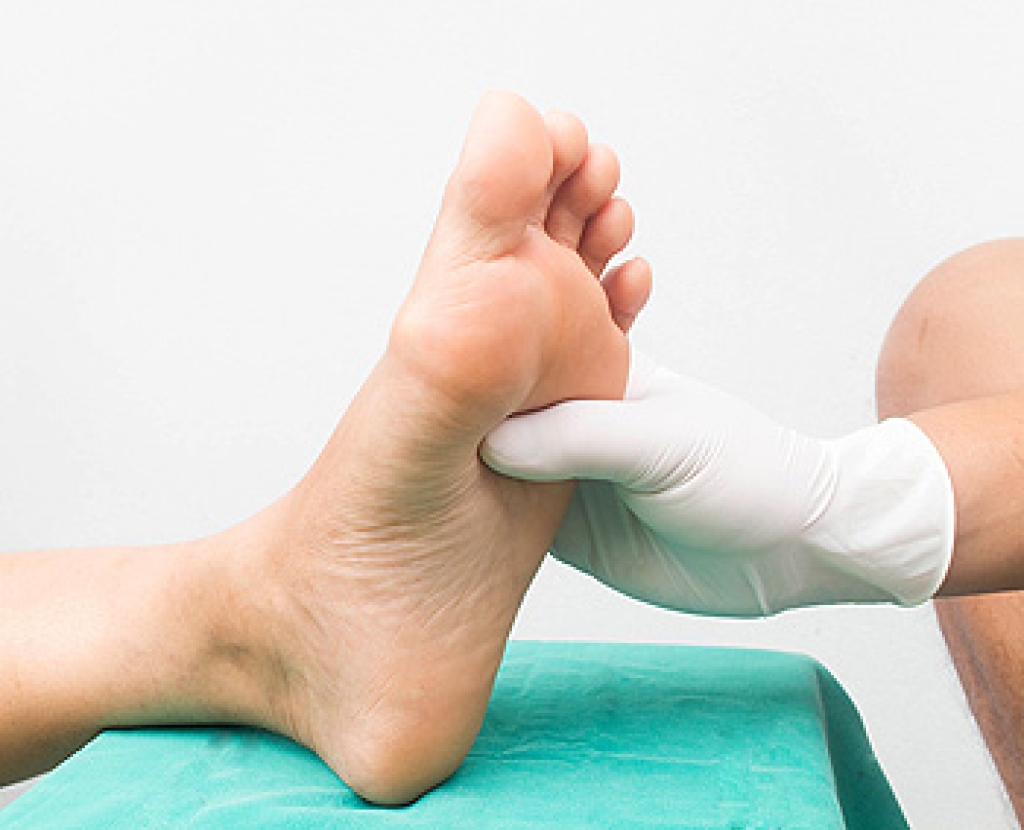
Of the many afflictions that can affect the feet, neuropathy is perhaps the most insidious and deceptive. Neuropathy can occur in the feet when the nerves are so badly damaged you might not feel pain when something is wrong with your foot and you may also feel that something is causing pain when nothing is. This nerve damage can occur from an injury, illness, infection, or other cause. Any range of symptoms can be felt because there is a spectrum of different nerves that may be affected. However, there are some self-care tricks that you can utilize for your neuropathy if it is not very severe. For example, you might try soaking your feet in a foot bath filled with chamomile or nettle leaves. These leaves are rich in antioxidants and aid in the pain relief of muscles and joints. It is beneficial to soak in this foot bath for approximately 30 minutes. Additionally, you might try giving yourself a massage or asking a friend to massage the affected areas. The purpose is to promote blood circulation. Lastly, you might consider applying an ice pack to the affected area for short intervals of time about twice a day. These are just some of the many different self-care tricks you might use for your neuropathy. It is always best, however, to consult a podiatrist about your condition.
Neuropathy
Neuropathy can be a potentially serious condition, especially if it is left undiagnosed. If you have any concerns that you may be experiencing nerve loss in your feet, consult with James Torhorst, DPM from Torhorst Foot and Ankle. Our doctor will assess your condition and provide you with quality foot and ankle treatment for neuropathy.
What Is Neuropathy?
Neuropathy is a condition that leads to damage to the nerves in the body. Peripheral neuropathy, or neuropathy that affects your peripheral nervous system, usually occurs in the feet. Neuropathy can be triggered by a number of different causes. Such causes include diabetes, infections, cancers, disorders, and toxic substances.
Symptoms of Neuropathy Include:
Those with diabetes are at serious risk due to being unable to feel an ulcer on their feet. Diabetics usually also suffer from poor blood circulation. This can lead to the wound not healing, infections occurring, and the limb may have to be amputated.
Treatment
To treat neuropathy in the foot, podiatrists will first diagnose the cause of the neuropathy. Figuring out the underlying cause of the neuropathy will allow the podiatrist to prescribe the best treatment, whether it be caused by diabetes, toxic substance exposure, infection, etc. If the nerve has not died, then it’s possible that sensation may be able to return to the foot.
Pain medication may be issued for pain. Electrical nerve stimulation can be used to stimulate nerves. If the neuropathy is caused from pressure on the nerves, then surgery may be necessary.
If you have any questions, please feel free to contact our offices located in Waupaca and Stevens Point, WI . We offer the newest diagnostic and treatment technologies for all your foot care needs.
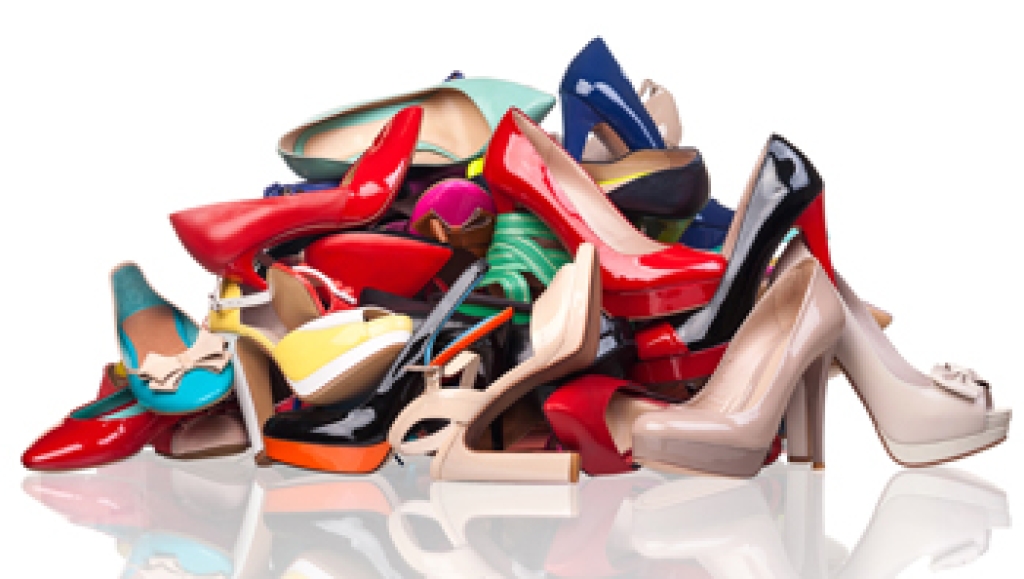
Before leaving for a night out or preparing for a fancy event, many women will choose to complete their outfit by wearing a fashionable pair of high heels. Although such footwear is undoubtedly chic and visually striking, it can also cause serious and lasting damage to your feet. For example, when wearing a pair of high heels, one’s Achilles tendon tightens and shrinks, which can be painful and strain the lower leg muscles. In the long term, wearing these shoes for an extended period of time can even contribute to plantar fasciitis, a troublesome foot ailment. Although high heels can certainly pose a serious threat to the health of your feet, there are steps you can take to mitigate the detrimental effects of high heels. First, if you must wear high heels for an event, try to reduce the amount of time that you wear them. You might try waiting to put on your shoes until just before leaving and taking them off after approximately four hours at most. Second, if you must wear high heels, try to select a pair that offers a lower heel (i.e. an inch and a half). You might also try to find heels that are wider or chunkier, as these kinds of heels are more stable and won’t place too much pressure on your feet. Selecting the right kind of high heels and wearing them properly are a critical component of the health of your feet. For more information about high heels, contact a podiatrist.
High heels have a history of causing foot and ankle problems. If you have any concerns about your feet or ankles, contact James Torhorst, DPM from Torhorst Foot and Ankle. Our doctor can provide the care you need to keep you pain-free and on your feet.
Effects of High Heels on the Feet
High heels are popular shoes among women because of their many styles and societal appeal. Despite this, high heels can still cause many health problems if worn too frequently.
Which Parts of My Body Will Be Affected by High Heels?
What Kinds of Foot Problems Can Develop from Wearing High Heels?
How Can I Still Wear High Heels and Maintain Foot Health?
If you want to wear high heeled shoes, make sure that you are not wearing them every day, as this will help prevent long term physical problems. Try wearing thicker heels as opposed to stilettos to distribute weight more evenly across the feet. Always make sure you are wearing the proper shoes for the right occasion, such as sneakers for exercising. If you walk to work, try carrying your heels with you and changing into them once you arrive at work. Adding inserts to your heels can help cushion your feet and absorb shock. Full foot inserts or metatarsal pads are available.
If you have any questions, please feel free to contact our offices located in Waupaca and Stevens Point, WI . We offer the newest diagnostic and treatment technologies for all your foot care needs.

Although running can be an excellent way to burn your calories for the day, if you do not properly prepare your body beforehand, you may be setting yourself up for a foot injury. One way to help prevent an injury, is to roll out your feet using a foam foot roller or tennis ball. Often when runners do not roll out their feet before runs, their foot muscles become tighter and more restrictive, which can increase the stress felt on the ankle. This consequently increases the risk of injuries. By rolling out your feet, you can loosen the tissue and muscles in your feet. Besides preventing injuries, this technique also gives you more flexibility and movement in other parts of your body, including your legs. When rolling your feet, you might consider sitting to control the amount of pressure put on your feet, spending approximately two minutes per foot. While rolling out their feet, runners often look for areas on their feet that carry a particularly large amount of tension or tightness. Don’t take chances when it comes to your feet. You might consider reaching out to a podiatrist who can best help you prevent injuries during your runs.
Exercising your feet regularly with the proper foot wear is a great way to prevent injuries. If you have any concerns about your feet, contact James Torhorst, DPM of Torhorst Foot and Ankle. Our doctor will treat your foot and ankle needs.
How to Prevent Running Injuries
Many common running injuries are caused by overuse and overtraining. When the back of the kneecap starts wearing out and starts causing pain in your knee, this is commonly referred to as runner’s knee. Runner’s knee is a decrease in strength in your quadriceps and can occur if you’re not wearing properly fitted or supporting shoes. To prevent runner’s knee, focusing on hip strengthening is a good idea, as well as strengthening your quads to keep the kneecaps aligned.
What Are Some Causes of Running Injuries?
- One cause of a common running injury is called iliotibial band syndrome.
- Plantar fasciitis is also another common injury.
- Stress fractures can occur from overtraining, lack of calcium, or even your running style.
Best Ways to Prevent Running Injuries
- Wear footwear that fits properly and suits your running needs.
- Running shoes are the only protective gear that runners have to safeguard them from injury.
- Make a training schedule. Adding strengthening exercises as well as regular stretching can help keep you strong and limber and can lessen the possibility of injuries.
- Stretching keeps muscles limber; this will help you gain better flexibility.
If you have any questions, please feel free to contact our offices located in Waupaca and Stevens Point, WI . We offer the newest diagnostic and treatment technologies for all your foot care needs.
Connect With Us
