Reasons to Have Foot Pain

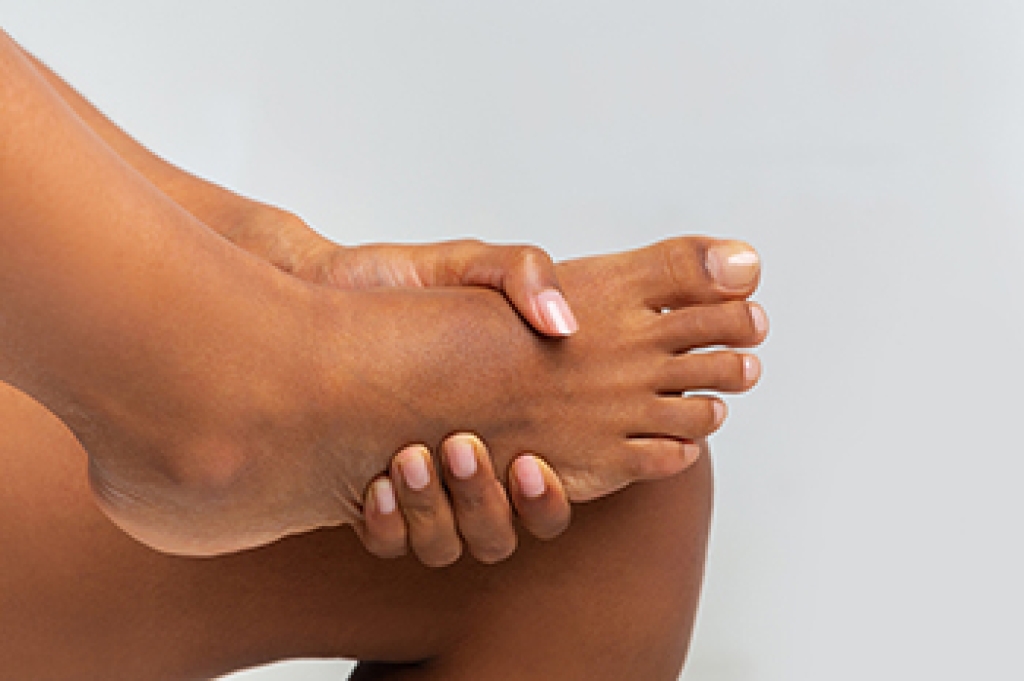
The feet bear the weight of the body, and it is not surprising they can begin to hurt. Many people have flat feet and can have consistent aching. Wearing orthotics may help to provide an arch, in addition to performing balancing exercises. A common foot condition that is known as plantar fasciitis can cause debilitating heel pain. It affects the plantar fascia, which connects the heel to the toes and is found on the sole of the foot. The plantar fascia can become torn for various reasons, and the condition might worsen until medical treatment is sought. Some people experience pain that surrounds the toes, and this is known as metatarsalgia. It can come from repetitive stress during specific exercises or may happen from excessive running. Pain that develops at the bottom of the big toe may be known as turf toe. It can happen from frequently kicking a soccer ball, or from participating in similar kinds of sports. If you have foot pain, it is suggested that you speak with a podiatrist who can diagnose and treat various foot problems.

Foot Pain

Foot pain can be extremely painful and debilitating. If you have a foot pain, consult with James Torhorst, DPM  from Torhorst Foot and Ankle. Our doctor will assess your condition and provide you with quality foot and ankle treatment.

Causes

Foot pain is a very broad condition that could be caused by one or more ailments. The most common include:

  • Bunions
  • Hammertoes
  • Plantar Fasciitis
  • Bone Spurs
  • Corns
  • Tarsal Tunnel Syndrome
  • Ingrown Toenails
  • Arthritis (such as Gout, Rheumatoid, and Osteoarthritis)
  • Flat Feet
  • Injury (from stress fractures, broken toe, foot, ankle, Achilles tendon ruptures, and sprains)
  • And more

Diagnosis

To figure out the cause of foot pain, podiatrists utilize several different methods. This can range from simple visual inspections and sensation tests to X-rays and MRI scans. Prior medical history, family medical history, and any recent physical traumatic events will all be taken into consideration for a proper diagnosis.

Treatment

Treatment depends upon the cause of the foot pain. Whether it is resting, staying off the foot, or having surgery; podiatrists have a number of treatment options available for foot pain.

If you have any questions, please feel free to contact our offices located in Waupaca and Stevens Point, WI . We offer the newest diagnostic and treatment technologies for all your foot care needs.
Read more about Foot Pain

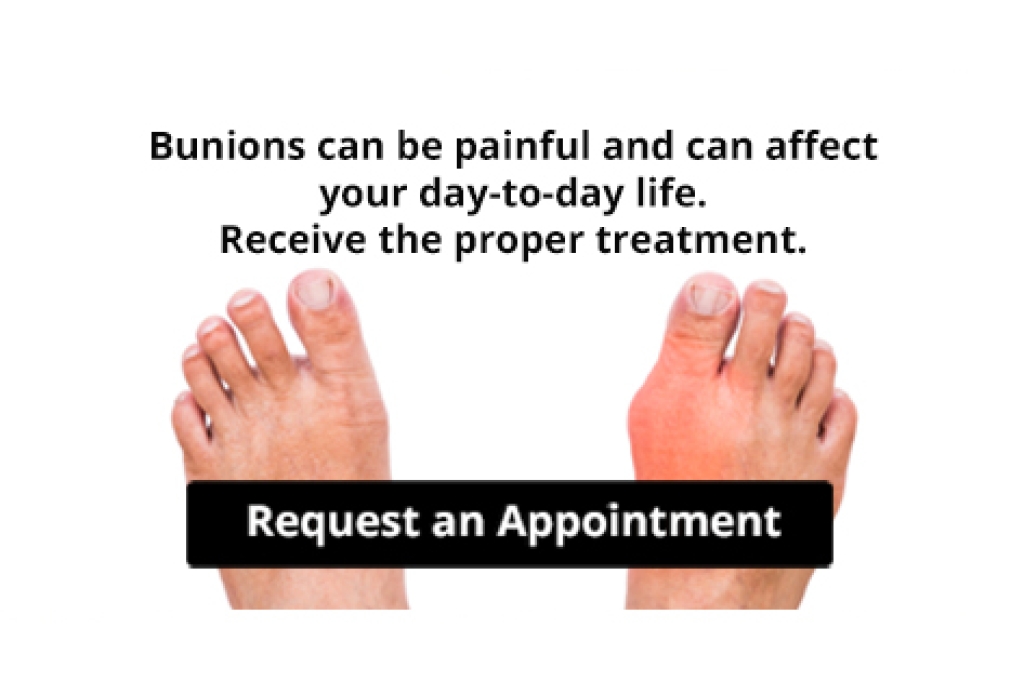
Are Bunions Affecting Your Everyday Life?

Have you noticed a bony protrusion on the side of your big toe? If so, you may have developed the foot condition known as a bunion. Don't let bunions interfere with your daily activities.

Foot Blisters During the Summer

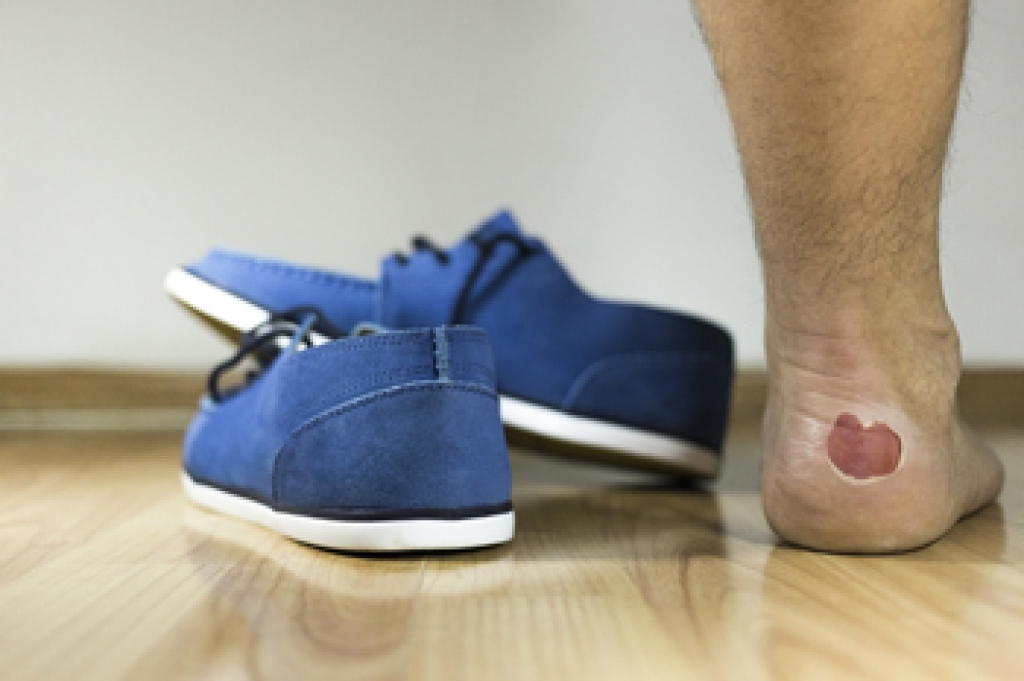
Many individuals who care about maintaining good foot health take extra care to avoid getting blisters on their feet. The reason is that foot blisters can cause discomfort and are unsightly. During the summer season, an individual could potentially be at an increased risk of developing foot blisters. At this time, an individual can sweat more than usual, specifically in the feet. When there is extra sweat around the feet, this can lead to more friction between the feet and the shoes. With the added friction comes an increased chance of developing friction-related blisters. Therefore, as the weather gets warmer into the summer months, a vigilant person can take steps to minimize sweating and blister formation on the feet. If you are someone looking to prevent blisters, it is suggested that you contact a podiatrist today for more information.

Blisters are prone to making everyday activities extremely uncomfortable. If your feet are hurting, contact James Torhorst, DPM of Torhorst Foot and Ankle. Our doctor can provide the care you need to keep you pain-free and on your feet.

Foot Blisters

Foot blisters develop as a result of constantly wearing tight or ill-fitting footwear. This happens due to the constant rubbing from the shoe, which can often lead to pain.

What Are Foot Blisters?

A foot blister is a small fluid-filled pocket that forms on the upper-most layer of the skin. Blisters are filled with clear fluid and can lead to blood drainage or pus if the area becomes infected.

How Do Blisters Form?

Blisters on the feet are often the result of constant friction of skin and material, usually by shoe rubbing. Walking in sandals, boots, or shoes that don’t fit properly for long periods of time can result in a blister. Having consistent foot moisture and humidity can easily lead to blister formation.

Prevention & Treatment

It is important to properly care for the affected area in order to prevent infection and ease the pain. Do not lance the blister and use a Band-Aid to provide pain relief. Also, be sure to keep your feet dry and wear proper fitting shoes. If you see blood or pus in a blister, seek assistance from a podiatrist.

If you have any questions, please feel free to contact our offices located in Waupaca and Stevens Point, WI . We offer the newest diagnostic and treatment technologies for all your foot care needs.
Read more about Blisters on the Feet

Symptoms of Athlete’s Foot

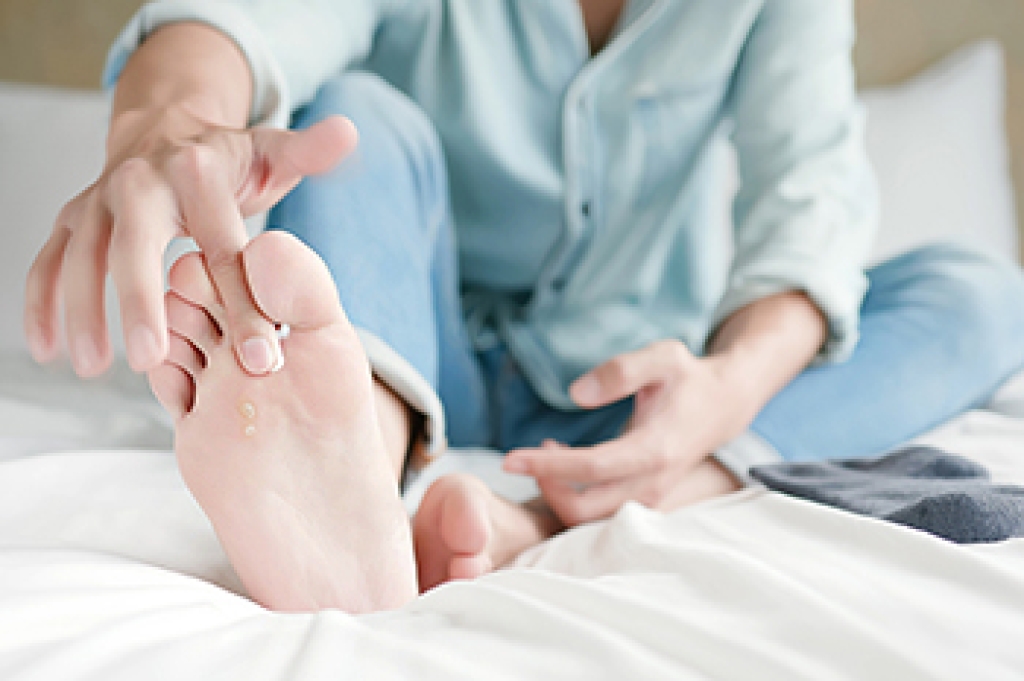
Athlete’s foot is a common and often uncomfortable foot infection caused by having contact with a fungus known as trichophyton. It often affects the space between the toes, and sometimes is found on the bottom of the feet. Unfortunately, it is quite easy to get athlete's foot, which is extremely contagious if certain conditions are met. This fungus thrives in warm and moist places, such as the inside of shoes. Symptoms of athlete’s foot are easy to recognize. The most noticeable signs are itchy toes and dry skin. The infected skin can become chapped and flaked when the shoes are removed and the toes are exposed to dry air. The skin also may begin to ooze fluid, especially if the infection is not treated immediately. The affected area may begin to redden, which is exacerbated by scratching. To make matters worse, the open skin can attract bacteria, further infecting the foot. That may produce swelling, which can be quite painful. At this point, it is suggested that you make an appointment with a podiatrist who can offer an array of treatment options to deal with an athlete’s foot infection.

Athlete’s Foot

Athlete’s foot is often an uncomfortable condition to experience. Thankfully, podiatrists specialize in treating athlete’s foot and offer the best treatment options. If you have any questions about athlete’s foot, consult with James Torhorst, DPM from Torhorst Foot and Ankle. Our doctor will assess your condition and provide you with quality treatment.

What Is Athlete’s Foot?

Tinea pedis, more commonly known as athlete’s foot, is a non-serious and common fungal infection of the foot. Athlete’s foot is contagious and can be contracted by touching someone who has it or infected surfaces. The most common places contaminated by it are public showers, locker rooms, and swimming pools. Once contracted, it grows on feet that are left inside moist, dark, and warm shoes and socks.

Prevention

The most effective ways to prevent athlete’s foot include:

  • Thoroughly washing and drying feet
  • Avoid going barefoot in locker rooms and public showers
  • Using shower shoes in public showers
  • Wearing socks that allow the feet to breathe
  • Changing socks and shoes frequently if you sweat a lot

Symptoms

Athlete’s foot initially occurs as a rash between the toes. However, if left undiagnosed, it can spread to the sides and bottom of the feet, toenails, and if touched by hand, the hands themselves. Symptoms include:

  • Redness
  • Burning
  • Itching
  • Scaly and peeling skin

Diagnosis and Treatment

Diagnosis is quick and easy. Skin samples will be taken and either viewed under a microscope or sent to a lab for testing. Sometimes, a podiatrist can diagnose it based on simply looking at it. Once confirmed, treatment options include oral and topical antifungal medications.

If you have any questions, please feel free to contact our offices located in Waupaca and Stevens Point, WI . We offer the newest diagnostic and treatment technologies for all your foot care needs.
Read more about Athlete's Foot

Development of Children's Feet

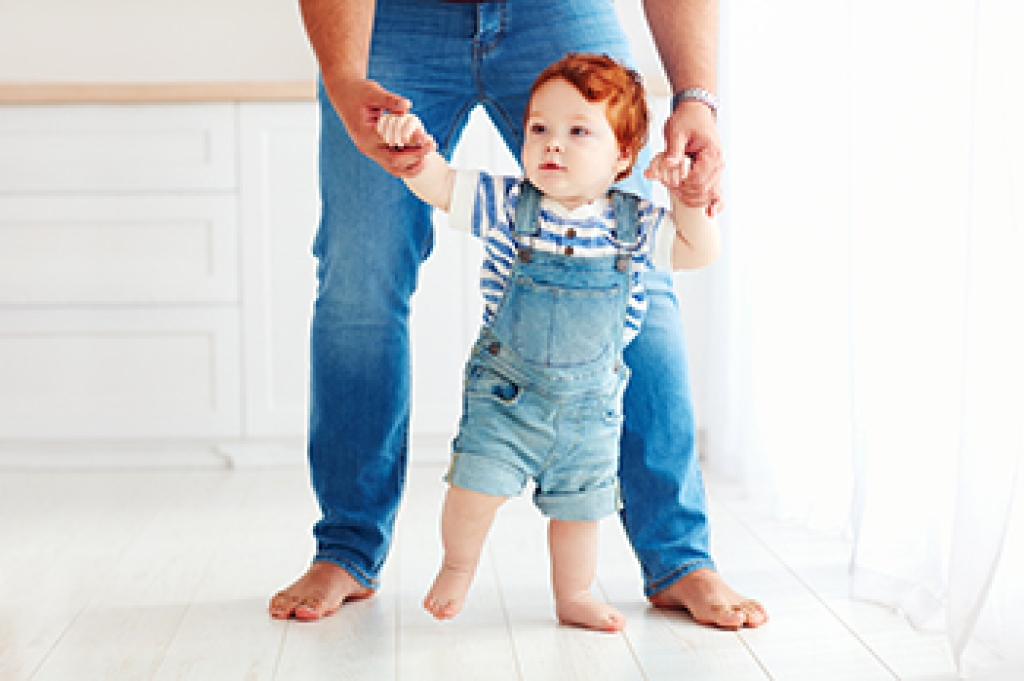
Babies’ feet look like smaller versions of adult feet, however, that is where the similarities end. When babies are born, bones will gradually replace the cartilage as they begin to use their feet while crawling and walking. The foot shape and structure will start to form during the first six months and the foot size will increase by three times before their first birthday. Several joints and 26 bones will form to comprise the adult foot and this process is generally completed by the age of 18. It is beneficial for the child to walk barefoot while indoors as this can help to strengthen the entire foot. When it is time for the first pair of shoes to be purchased, a good choice is shoes that are flexible and supportive. Many parents notice their children are bow-legged or lean toward walking on their tip toes. This is normal and walking will gradually strengthen the feet to be able to stand normally. If you would like additional information about how your child’s feet develop, it is suggested that you consult with a podiatrist.

Making sure that your children maintain good foot health is very important as they grow. If you have any questions, contact James Torhorst, DPM of Torhorst Foot and Ankle. Our doctor can provide the care you need to keep you pain-free and on your feet.

Keeping Children's Feet Healthy

Having healthy feet during childhood can help prevent medical problems later in life, namely in the back and legs. As children grow, their feet require different types of care. Here are some things to consider...

Although babies do not walk yet, it is still very important to take care of their feet.

Avoid putting tight shoes or socks on his or her feet.

Allow the baby to stretch and kick his or her feet to feel comfortable.

As a toddler, kids are now on the move and begin to develop differently. At this age, toddlers are getting a feel for walking, so don’t be alarmed if your toddler is unsteady or ‘walks funny’. 

As your child gets older, it is important to teach them how to take care of their feet.

Show them proper hygiene to prevent infections such as fungus.

Be watchful for any pain or injury.

Have all injuries checked by a doctor as soon as possible.

Comfortable, protective shoes should always be worn, especially at play.

If you have any questions, please feel free to contact our offices located in Waupaca and Stevens Point, WI . We offer the newest diagnostic and treatment technologies for all your foot care needs.

Read more about What to Do to Keep Your Child’s Feet Healthy

Connect With Us