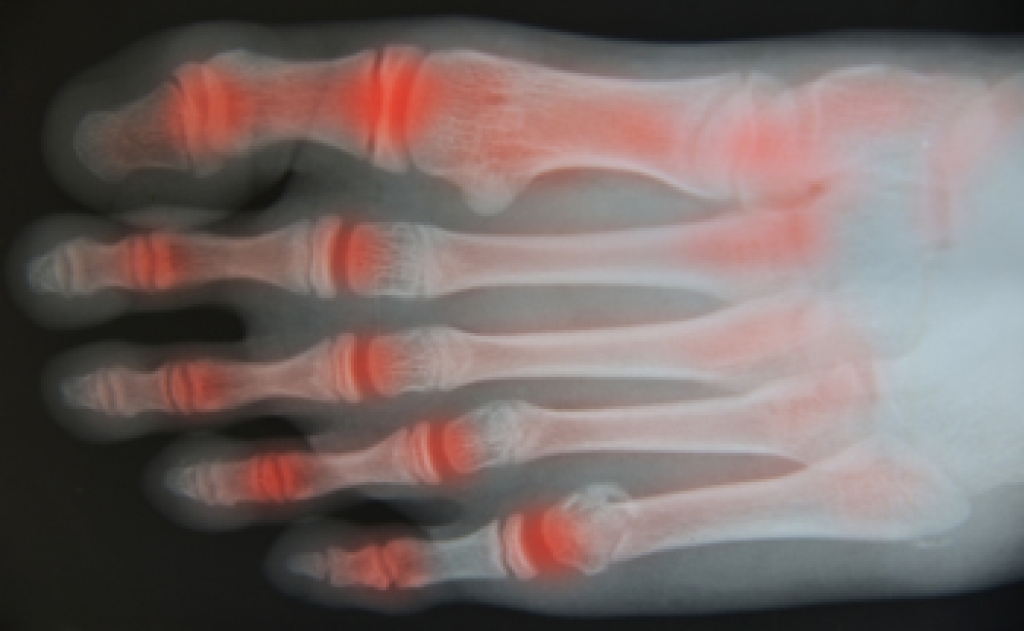
Ways That Rheumatoid Arthritis Affect the Feet

Rheumatoid arthritis causes the body to attack healthy joints, and the feet are commonly affected. This condition can lead to pain, swelling, and stiffness. It commonly affects the toes, arches, and ankles. Symptoms include discomfort in both feet at the same time, especially when getting out of bed or when walking after resting. Rheumatoid arthritis can also change the shape of the feet. Some people develop bunions, curled toes, or flat feet because the joints become weak and unstable. Pain in the ball of the foot is also common and can make standing or walking difficult. Swollen joints may feel warm and tender, and wearing shoes can become uncomfortable. A podiatrist can examine the feet, recommend supportive shoes, and provide custom orthotics that help reduce pain and improve movement. If you have foot pain that may be linked to arthritis, it is suggested that you make an appointment with a podiatrist for an exam and treatment options.

Foot Pain

Foot pain can be extremely painful and debilitating. If you have a foot pain, consult with James Torhorst, DPM  from Torhorst Foot and Ankle. Our doctor will assess your condition and provide you with quality foot and ankle treatment.

Causes

Foot pain is a very broad condition that could be caused by one or more ailments. The most common include:

  • Bunions
  • Hammertoes
  • Plantar Fasciitis
  • Bone Spurs
  • Corns
  • Tarsal Tunnel Syndrome
  • Ingrown Toenails
  • Arthritis (such as Gout, Rheumatoid, and Osteoarthritis)
  • Flat Feet
  • Injury (from stress fractures, broken toe, foot, ankle, Achilles tendon ruptures, and sprains)
  • And more

Diagnosis

To figure out the cause of foot pain, podiatrists utilize several different methods. This can range from simple visual inspections and sensation tests to X-rays and MRI scans. Prior medical history, family medical history, and any recent physical traumatic events will all be taken into consideration for a proper diagnosis.

Treatment

Treatment depends upon the cause of the foot pain. Whether it is resting, staying off the foot, or having surgery; podiatrists have a number of treatment options available for foot pain.

If you have any questions, please feel free to contact our offices located in Waupaca and Stevens Point, WI . We offer the newest diagnostic and treatment technologies for all your foot care needs.

Read more about Foot Pain

A Bump Can Indicate a Bunion Has Formed

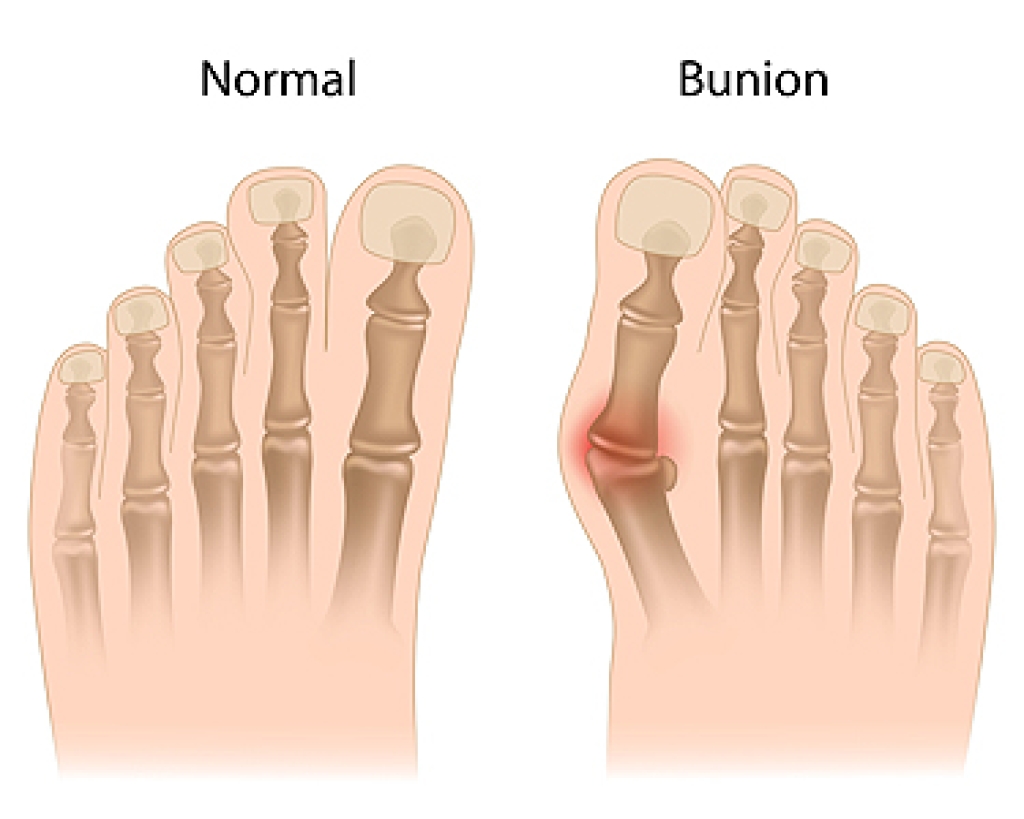
A noticeable bony bump on the bottom of the big toe may indicate a bunion has developed. If it forms on the pinky toe, it is referred to as a bunionette. A bunion may cause some patients to purchase larger shoes, and it may help to wear a protective covering over it. This ailment is mostly likely caused by wearing shoes that do not have ample room for the toes to move freely in. Additionally, patients who have a genetic history of bunions may be prone to developing them. Mild relief may be found when specific exercises and stretches are frequently performed, and this may help to strengthen the surrounding muscles. Patients whose daily life is negatively affected by bunions are strongly suggested to confer with a podiatrist who can recommend the best treatment methods, which may include surgery for permanent removal.

If you are suffering from bunion pain, contact James Torhorst, DPM of Torhorst Foot and Ankle. Our doctor can provide the care you need to keep you pain-free and on your feet.

What Is a Bunion?

Bunions are painful bony bumps that usually develop on the inside of the foot at the joint of the big toe. As the deformity increases over time, it may become painful to walk and wear shoes. Women are more likely to exacerbate existing bunions since they often wear tight, narrow shoes that shift their toes together. Bunion pain can be relieved by wearing wider shoes with enough room for the toes.

Causes

  • Genetics – some people inherit feet that are more prone to bunion development
  • Inflammatory Conditions - rheumatoid arthritis and polio may cause bunion development

Symptoms

  • Redness and inflammation
  • Pain and tenderness
  • Callus or corns on the bump
  • Restricted motion in the big toe

In order to diagnose your bunion, your podiatrist may ask about your medical history, symptoms, and general health. Your doctor might also order an x-ray to take a closer look at your feet. Nonsurgical treatment options include orthotics, padding, icing, changes in footwear, and medication. If nonsurgical treatments don’t alleviate your bunion pain, surgery may be necessary.

If you have any questions, please feel free to contact our offices located in Waupaca and Stevens Point, WI . We offer the newest diagnostic and treatment technologies for all your foot care needs.
Read more about Bunions

Are You Suffering From Ingrown Toenails?

If left untreated, an ingrown toenail can lead to more serious concerns, such as an infection. Knowing proper nail care can help in the prevention of an ingrown toenail. Give us a call, and get treated!

Common Causes of Foot Pain in Children

Foot pain in children can affect daily play, sports, and overall comfort. It often appears as limping, complaints of soreness, or reluctance to stay active. Causes can include sports-related strain, overuse, and simple missteps that place stress on growing bones and soft tissues. In some cases, improper footwear or rapid growth can also contribute to discomfort. While mild pain may seem temporary, ongoing symptoms should be evaluated carefully. A podiatrist can assess foot structure, identify any imbalances, and determine if conditions like flat feet or growth plate irritation are present. Treatment may include custom support, activity guidance, or further imaging tests. If your child has foot pain for any reason, it is suggested that you consult a podiatrist for an accurate diagnosis and appropriate treatment.

Making sure that your children maintain good foot health is very important as they grow. If you have any questions, contact James Torhorst, DPM of Torhorst Foot and Ankle. Our doctor can provide the care you need to keep you pain-free and on your feet.

Keeping Children's Feet Healthy

Having healthy feet during childhood can help prevent medical problems later in life, namely in the back and legs. As children grow, their feet require different types of care. Here are some things to consider...

Although babies do not walk yet, it is still very important to take care of their feet.

Avoid putting tight shoes or socks on his or her feet.

Allow the baby to stretch and kick his or her feet to feel comfortable.

As a toddler, kids are now on the move and begin to develop differently. At this age, toddlers are getting a feel for walking, so don’t be alarmed if your toddler is unsteady or ‘walks funny’. 

As your child gets older, it is important to teach them how to take care of their feet.

Show them proper hygiene to prevent infections such as fungus.

Be watchful for any pain or injury.

Have all injuries checked by a doctor as soon as possible.

Comfortable, protective shoes should always be worn, especially at play.

If you have any questions, please feel free to contact our offices located in Waupaca and Stevens Point, WI . We offer the newest diagnostic and treatment technologies for all your foot care needs.

Read more about What to Do to Keep Your Child’s Feet Healthy

More Than Just an Itchy Foot

Athlete's foot is a common fungal skin infection that develops in warm, damp environments where fungi grow easily, such as sweaty shoes, locker rooms, or shared flooring. It may begin with itching, burning, peeling skin, or redness between the toes, but some people may also notice cracking, dryness, or discomfort along the soles. Because it can resemble other skin conditions, proper diagnosis is important before treatment begins. Left untreated, the infection may spread to other areas of the foot or even affect the toenails, making treatment more difficult. A podiatrist can identify the cause of the irritation, recommend appropriate treatment, and help address factors that may be contributing to repeat infections. Early care may bring relief faster and help prevent the condition from becoming more stubborn. If you have persistent itching, peeling, or irritated skin on your feet, it is strongly suggested that you visit a podiatrist for appropriate treatment solutions.

Athlete’s Foot

Athlete’s foot is often an uncomfortable condition to experience. Thankfully, podiatrists specialize in treating athlete’s foot and offer the best treatment options. If you have any questions about athlete’s foot, consult with James Torhorst, DPM from Torhorst Foot and Ankle. Our doctor will assess your condition and provide you with quality treatment.

What Is Athlete’s Foot?

Tinea pedis, more commonly known as athlete’s foot, is a non-serious and common fungal infection of the foot. Athlete’s foot is contagious and can be contracted by touching someone who has it or infected surfaces. The most common places contaminated by it are public showers, locker rooms, and swimming pools. Once contracted, it grows on feet that are left inside moist, dark, and warm shoes and socks.

Prevention

The most effective ways to prevent athlete’s foot include:

  • Thoroughly washing and drying feet
  • Avoid going barefoot in locker rooms and public showers
  • Using shower shoes in public showers
  • Wearing socks that allow the feet to breathe
  • Changing socks and shoes frequently if you sweat a lot

Symptoms

Athlete’s foot initially occurs as a rash between the toes. However, if left undiagnosed, it can spread to the sides and bottom of the feet, toenails, and if touched by hand, the hands themselves. Symptoms include:

  • Redness
  • Burning
  • Itching
  • Scaly and peeling skin

Diagnosis and Treatment

Diagnosis is quick and easy. Skin samples will be taken and either viewed under a microscope or sent to a lab for testing. Sometimes, a podiatrist can diagnose it based on simply looking at it. Once confirmed, treatment options include oral and topical antifungal medications.

If you have any questions, please feel free to contact our offices located in Waupaca and Stevens Point, WI . We offer the newest diagnostic and treatment technologies for all your foot care needs.

Read more about How to Deal with Athlete's Foot

Connect With Us