
If you are suffering from tenderness, pain, or stiffness in the joints of your feet or ankles, call us to schedule an appointment.
If you are suffering from tenderness, pain, or stiffness in the joints of your feet or ankles, call us to schedule an appointment.
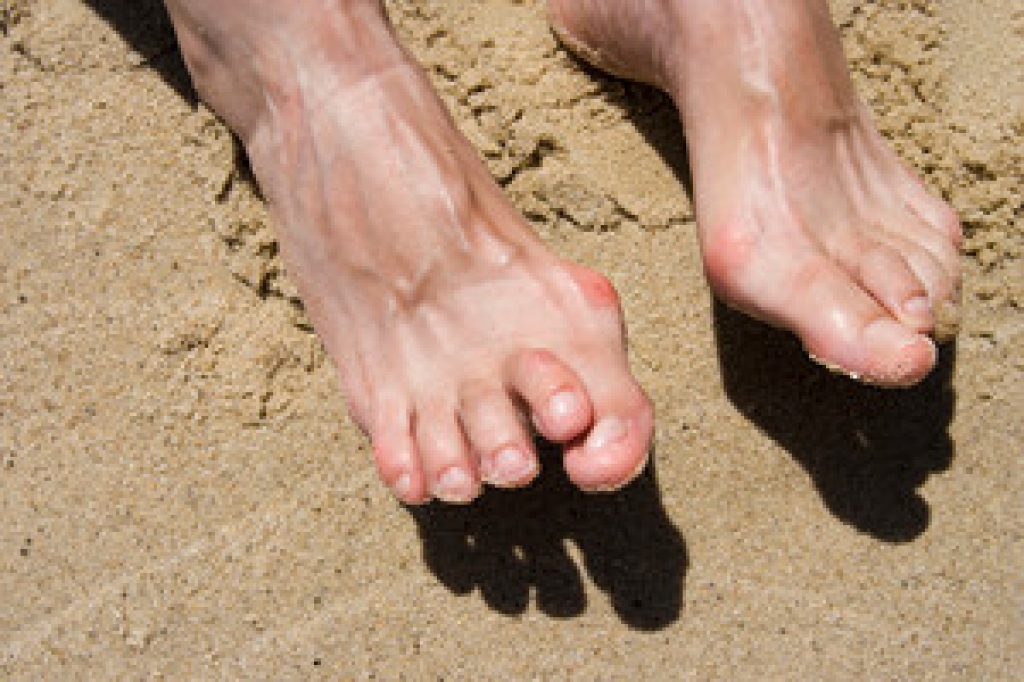 The most common symptom of hammertoe is when the toe(s) bends or curls downward instead of pointing forward. This deformity can occur as a result of having arthritis, wearing shoes that do not fit correctly, or from a toe injury. Patients can develop this condition from genetic factors or from having corns or bunions. Hammertoe can cause difficulty in walking, and it may cause pain when the toes are wiggled. A proper diagnosis is necessary in determining the severity of the condition. This is accomplished by performing a physical examination or by having an X-ray taken. Mild relief may be found when a protective covering is worn over the affected toe. Additionally, surgery may be necessary if the toe is unable to move. Surgery can be successful in restoring full range of motion, realigning the tendons and joints, and to remove the injured or deformed bone. If you have a hammertoe, it is suggested that you consult with a podiatrist who can offer proper treatment solutions.
Hammertoe
Hammertoes can be a painful condition to live with. For more information, contact James Torhorst, DPM from Torhorst Foot and Ankle. Our doctor will answer any of your foot- and ankle-related questions.
Hammertoe is a foot deformity that affects the joints of the second, third, fourth, or fifth toes of your feet. It is a painful foot condition in which these toes curl and arch up, which can often lead to pain when wearing footwear.
Symptoms
Causes
Genetics – People who are genetically predisposed to hammertoe are often more susceptible
Arthritis – Because arthritis affects the joints in your toes, further deformities stemming from arthritis can occur
Trauma – Direct trauma to the toes could potentially lead to hammertoe
Ill-fitting shoes – Undue pressure on the front of the toes from ill-fitting shoes can potentially lead to the development of hammertoe
Treatment
Orthotics – Custom made inserts can be used to help relieve pressure placed on the toes and therefore relieve some of the pain associated with it
Medications – Oral medications such as anti-inflammatories or NSAIDs could be used to treat the pain and inflammation hammertoes causes. Injections of corticosteroids are also sometimes used
Surgery – In more severe cases where the hammertoes have become more rigid, foot surgery is a potential option
If you have any questions, please feel free to contact our offices located in Waupaca and Stevens Point, WI . We offer the newest diagnostic and treatment technologies for all your foot care needs.
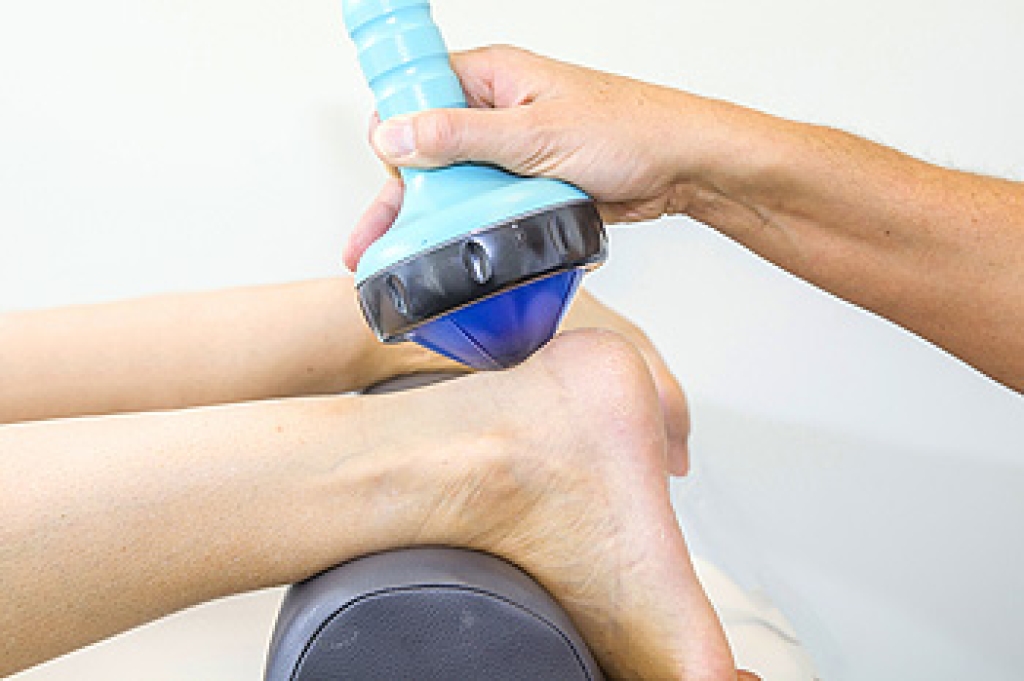
Extracorporeal Shockwave Therapy (ESWT) is an FDA-approved treatment for plantar fasciitis, the most common form of heel pain. ESWT delivers targeted high-energy sound waves to the injured and inflamed plantar fascia tissue. This process breaks up scar tissue and encourages the body to create new tissue cells which, in turn, stimulates healing and reduces pain. Acoustic wave therapy has been used for decades in shockwave lithotripsy—a treatment that breaks up kidney stones. ESWT is safe, non-invasive, and treatments generally take less than half an hour on each foot, with typically 3-5 sessions needed for many patients to begin to feel relief. If you have plantar fasciitis, contact a podiatrist to discuss whether you may be a good candidate for ESWT.
Shockwave therapy is a treatment commonly used to treat various injuries and conditions, particularly plantar fasciitis in the feet. To learn more, consult with James Torhorst, DPM from Torhorst Foot and Ankle. Our doctor can provide the care you need to keep you pain-free and on your feet.
Shockwave Therapy
Shockwave therapy is a new treatment option designed to treat bone conditions such as tennis elbow, shoulder pain, and others. Shockwave therapy uses high intensity sound waves that are directed to the affected tissues of the body with pinpoint accuracy. The effects are very beneficial, leading to a production of collagen fibers, eliminating inflammation.
Who Benefits from Shockwave?
Shockwave is recommended for patients suffering from heel pain and associated problems. Heel pain is a common condition which can be caused by obesity, overexertion, and spending a substantial amount of time on hard floors with your feet exposed and unsupported.
Fast and Easy
The therapy is actually a simple process that can leave patients feeling better the very next day. Shockwave therapy is not as dramatic as it sounds. It enables more blood flow to effected areas, addressing the source of the problem and allowing treatment to last for a long time.
Treatment & Recovery Time
Shockwave treatment will enable your feet to recover quickly. This is especially important since surgery is not required. It is cost effective and does not require the use of anesthesia. This treatment is a better option to surgery, since it is proven safe.
If you have any questions, please feel free to contact our offices located in Waupaca and Stevens Point, WI . We offer the newest diagnostic and treatment technologies for all your foot care needs.
 The main job of the many bones, muscles, ligaments and tendons of the foot is to get you where you want to go. When you take a step, and most of us do this without really thinking about it, the heel touches the ground and absorbs some of the force. The muscles in the sole of the foot then give way, and the band of tissue beneath (plantar fascia) stretches out. Next, your weight shifts to the ball of the foot, and finally the toes push off the surface. Your weight is now fully on the foot, and you start the process again with the other foot. You can do several things to keep your feet operating as they should: A) Wear shoes that fit properly, have plenty of room in the toe box, and have low heels; B) Maintain a healthy body weight; and C) go for walks regularly to keep the foot muscles strong and flexible. If you experience any problems walking, it’s a good idea to see a podiatrist for a thorough examination.
If you have any concerns about your feet, contact James Torhorst, DPM from Torhorst Foot and Ankle. Our doctor can provide the care you need to keep you pain-free and on your feet.
Biomechanics in Podiatry
Podiatric biomechanics is a particular sector of specialty podiatry with licensed practitioners who are trained to diagnose and treat conditions affecting the foot, ankle and lower leg. Biomechanics deals with the forces that act against the body, causing an interference with the biological structures. It focuses on the movement of the ankle, the foot and the forces that interact with them.
A History of Biomechanics
Modern technological improvements are based on past theories and therapeutic processes that provide a better understanding of podiatric concepts for biomechanics. Computers can provide accurate information about the forces and patterns of the feet and lower legs.
Understanding biomechanics of the feet can help improve and eliminate pain, stopping further stress to the foot.
If you have any questions please feel free to contact our offices located in Waupaca and Stevens Point, WI . We offer the newest diagnostic and treatment technologies for all your foot and ankle needs.
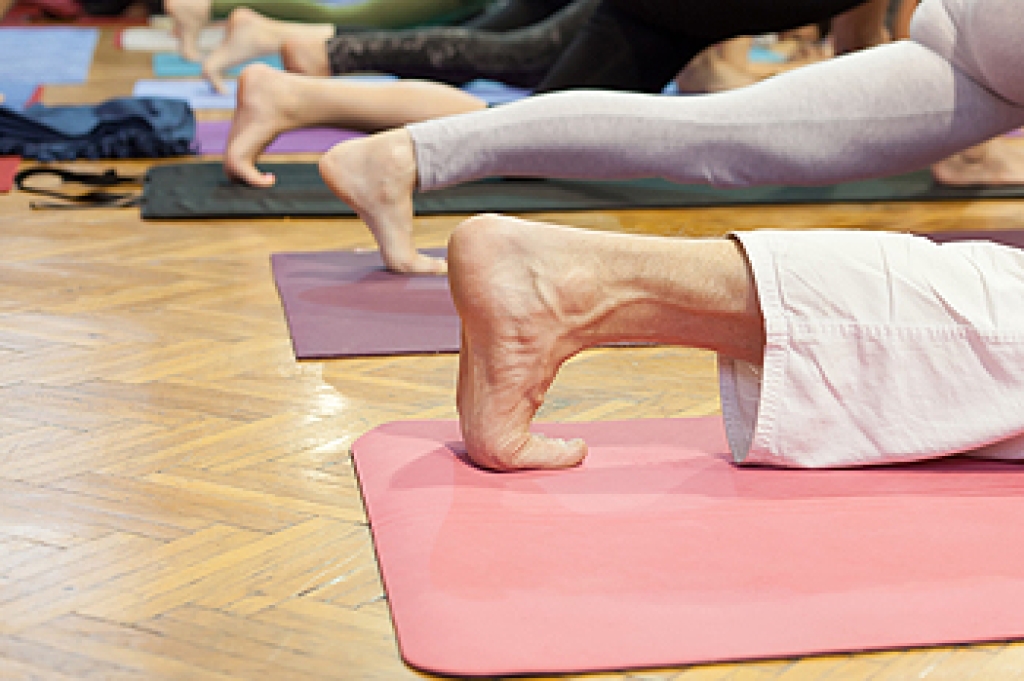 An effective stretch that benefits the bottom of the foot is known as a toe squat. It is known to strengthen the plantar fascia, which is the portion of tissue that is found on the sole of the foot. It connects the heel to the toes and is instrumental in performing daily activities that include walking and running. This stretch is performed by keeping your feet together as you are sitting on your heels. As the toes are tucked under, it is important to remain on the balls of the feet and avoid the tips of the toes. Breathing with the posture may intensify the stretch, as it is being held for two to three minutes. People who practice this stretch find it is beneficial to slowly release the position, and this can help to protect the bottom of the foot. If you would like to learn more about how to practice effective foot stretches, please speak with a podiatrist.
Stretching the feet is a great way to prevent injuries. If you have any concerns with your feet consult with James Torhorst, DPM from Torhorst Foot and Ankle. Our doctor will assess your condition and provide you with quality foot and ankle treatment.
Stretching the Feet
Stretching the muscles in the foot is an important part in any physical activity. Feet that are tight can lead to less flexibility and make you more prone to injury. One of the most common forms of foot pain, plantar fasciitis, can be stretched out to help ease the pain. Stretching can not only ease pain from plantar fasciitis but also prevent it as well. However, it is important to see a podiatrist first if stretching is right for you. Podiatrists can also recommend other ways to stretch your feet. Once you know whether stretching is right for you, here are some excellent stretches you can do.
It is best to go easy when first stretching your foot and work your way up. If your foot starts hurting, stop exercising and ice and rest the foot. It is advised to then see a podiatrist for help.
If you have any questions please contact our offices located in Waupaca and Stevens Point, WI . We offer the newest diagnostic and treatment technologies for all your foot and ankle needs.
Connect With Us
