
If left untreated, an ingrown toenail can lead to more serious concerns, such as an infection. Knowing proper nail care can help in the prevention of an ingrown toenail. Give us a call, and get treated!
If left untreated, an ingrown toenail can lead to more serious concerns, such as an infection. Knowing proper nail care can help in the prevention of an ingrown toenail. Give us a call, and get treated!

Corns can develop on the feet below the toenail bed, between toes, on the sides of feet, or on the bottom of the feet. These can develop from wearing shoes that are too tight, from standing or walking for prolonged periods, or from a heavy body weight that constantly puts pressure on the bottom of the feet. It is important to wear properly fitting shoes and socks that do not restrict the feet. Soaking the affected foot, making sure to dry it completely and moisturize it when done can help soften the corn. One can try corn pads to pad the corn and relieve the pressure on it for a better chance of healing. If a corn does not heal with these home treatments, or if it worsens, it is suggested to see a podiatrist who can better and more safely treat a corn by scraping it, shaving it, or cutting away layers, as well as lay out a plan for required treatment and prevention.
Corns can make walking very painful and should be treated immediately. If you have questions regarding your feet and ankles, contact James Torhorst, DPM of Torhorst Foot and Ankle. Our doctor will treat your foot and ankle needs.
Corns: What Are They? And How Do You Get Rid of Them?
Corns are thickened areas on the skin that can become painful. They are caused by excessive pressure and friction on the skin. Corns press into the deeper layers of the skin and are usually round in shape.
Ways to Prevent Corns
There are many ways to get rid of painful corns such as:
Treating Corns
Although most corns slowly disappear when the friction or pressure stops, this isn’t always the case. Consult with your podiatrist to determine the best treatment option for your case of corns.
If you have any questions, please feel free to contact our offices located in Waupaca and Stevens Point, WI . We offer the newest diagnostic and treatment technologies for all your foot care needs.
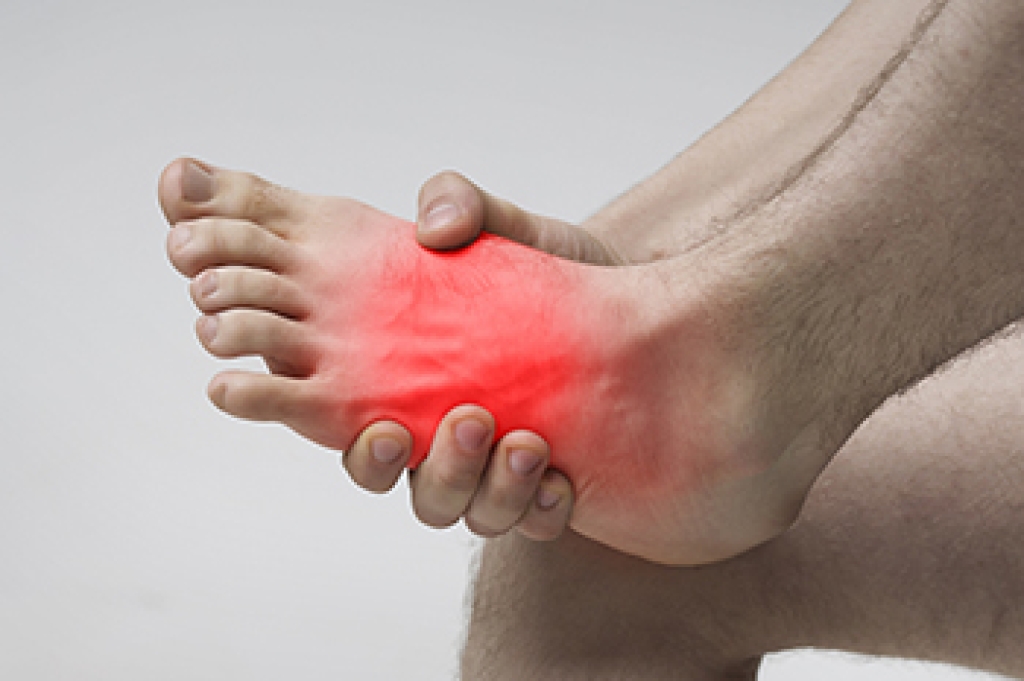
A variety of conditions may be responsible for causing pain in the top of your foot. You may have damaged soft tissue structures or even injured a bone. Symptoms may provide some clues as to the root of your foot pain. Severe, sudden pain may be due to a stress fracture of one or more of the bones of the foot, such as the metatarsals. If the pain worsens with activity, you may have extensor tendonitis. This occurs when the tendons on top of the foot that help you lift the toes become inflamed, due to wearing tight shoes, standing for a prolonged period or running on rugged terrain. Sinus tarsi syndrome is another type of severe top-of-foot pain that occurs in the tiny channel located between the ankle and the heel. It can occur after an ankle sprain or may result from chronic instability. If the pain in the top of your foot is burning or shooting, and is accompanied by a pins-and-needles or numbness, it may be due to a compressed nerve. Even though you experience symptoms in the foot, the actual damaged nerve may be pinched in the foot, legs, or lower back. If you notice a nodule under the skin on the top of the foot near a joint or tendon, it may be a ganglion cyst. These are just a few possible causes for pain on the top of the foot. To have your condition properly diagnosed and treated, visit a podiatrist, who is a physician specializing in foot and ankle care.
Foot Pain
Foot pain can be extremely painful and debilitating. If you have a foot pain, consult with James Torhorst, DPM from Torhorst Foot and Ankle. Our doctor will assess your condition and provide you with quality foot and ankle treatment.
Causes
Foot pain is a very broad condition that could be caused by one or more ailments. The most common include:
Diagnosis
To figure out the cause of foot pain, podiatrists utilize several different methods. This can range from simple visual inspections and sensation tests to X-rays and MRI scans. Prior medical history, family medical history, and any recent physical traumatic events will all be taken into consideration for a proper diagnosis.
Treatment
Treatment depends upon the cause of the foot pain. Whether it is resting, staying off the foot, or having surgery; podiatrists have a number of treatment options available for foot pain.
If you have any questions, please feel free to contact our offices located in Waupaca and Stevens Point, WI . We offer the newest diagnostic and treatment technologies for all your foot care needs.
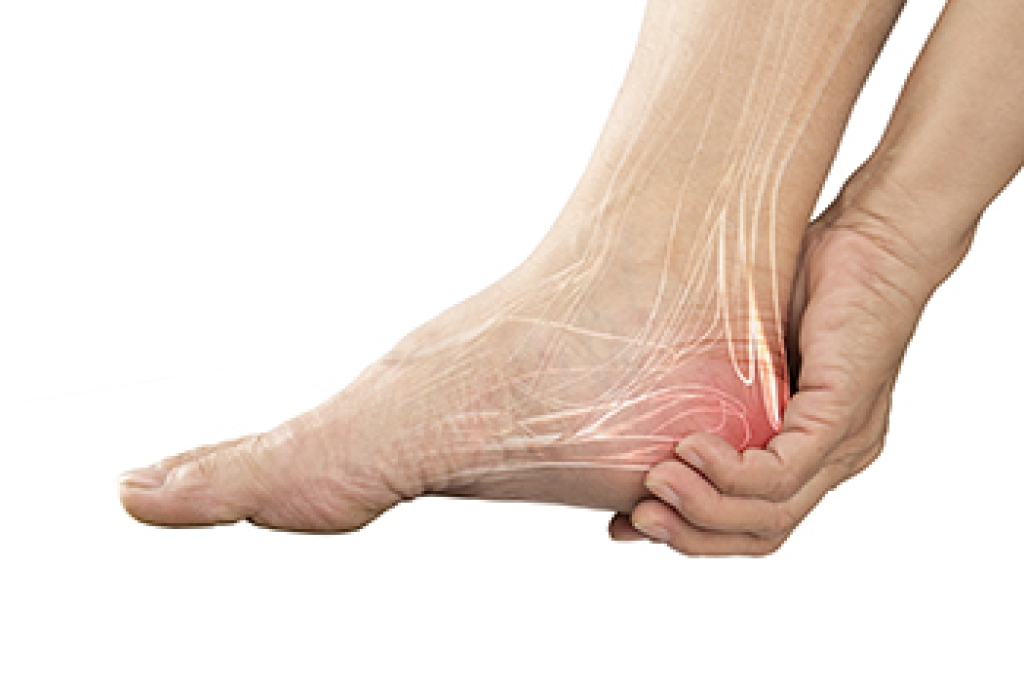
The plantar fascia is a long, fibrous band of tissue on the bottom of the foot that connects the heel with the toes. It helps form the arch and stabilize the foot. The plantar fascia is in a constant state of flux—alternating between lengthening and contracting as we walk and run. Running and other physical activities can be taxing on the plantar fascia. So can being obese, standing at work all day, or wearing shoes that don’t offer proper arch support. Excessive strain and stress on the plantar fascia can cause it to become irritated, torn, inflamed, and ultimately painful. This is a condition known as plantar fasciitis, which is the most common form of heel pain. The pain of plantar fasciitis is most severe when you take your first steps in the morning. It can sometimes be alleviated by refraining from physical activity, icing the bottom of the feet, losing weight, or switching to more supportive footwear. If the pain does not subside, or worsens, it is suggested that you make an appointment with a podiatrist. Podiatrists treat plantar fasciitis frequently and have various treatments to repair the plantar fascia, reduce inflammation, and eliminate the heel pain it causes.
Plantar fasciitis can be very painful and inconvenient. If you are experiencing heel pain or symptoms of plantar fasciitis, contact James Torhorst, DPM from Torhorst Foot and Ankle. Our doctor can provide the care you need to keep you pain-free and on your feet.
What Is Plantar Fasciitis?
Plantar fasciitis is the inflammation of the thick band of tissue that runs along the bottom of your foot, known as the plantar fascia, and causes mild to severe heel pain.
What Causes Plantar Fasciitis?
How Can It Be Treated?
While very treatable, plantar fasciitis is definitely not something that should be ignored. Especially in severe cases, speaking to your doctor right away is highly recommended to avoid complications and severe heel pain. Your podiatrist can work with you to provide the appropriate treatment options tailored to your condition.
If you have any questions, please feel free to contact our offices located in Waupaca and Stevens Point, WI . We offer the newest diagnostic and treatment technologies for all your foot care needs.

Osteoarthritis or OA is a common form of arthritis that can affect any joint in the body. This type of arthritis generally increases with age, and those who are obese, have a genetic predisposition to it, or a prior joint injury are at higher risk. Cartilage in joints wear down, bones are exposed, and they can rub against each other. The base of the big toe is a common site for OA. The joint degenerates and the body may attempt to repair the condition by growing more bone. This reaction can create bony protrusions called bone spurs that appear as a visible bump or callus on the big toe joint. The excess bone growth can lead to fusion of the joint and it can become fixed/non-bending. The joint of the big toe may also look inflamed and swollen. It becomes painful and hard to walk if one cannot bend their toe, and if spurs or bunions develop, they can push uncomfortably against shoes. Usually, OA in the big toe is worse after inactivity, such as when first arising in the morning or after prolonged sitting. Wearing shoes that have sufficient room in the toe box and stiff soles, obtaining pad inserts or arch supports, using ice on the big toe, maintaining a healthy body weight, and/or taking over-the-counter pain relievers can help but there is no cure for OA. If you are suffering with big toe pain, consult with a podiatrist who can properly diagnose the condition and recommend a treatment plan to help you live more comfortably.
Arthritis can be a difficult condition to live with. If you are seeking treatment, contact James Torhorst, DPM from Torhorst Foot and Ankle. Our doctor can provide the care you need to keep you pain-free and on your feet.
Arthritic Foot Care
Arthritis is a term that is commonly used to describe joint pain. The condition itself can occur to anyone of any age, race, or gender, and there are over 100 types of it. Nevertheless, arthritis is more commonly found in women compared to men, and it is also more prevalent in those who are overweight. The causes of arthritis vary depending on which type of arthritis you have. Osteoarthritis for example, is often caused by injury, while rheumatoid arthritis is caused by a misdirected immune system.
Symptoms
Arthritic symptoms range in severity, and they may come and go. Some symptoms stay the same for several years but could potentially get worse with time. Severe cases of arthritis can prevent its sufferers from performing daily activities and make walking difficult.
Risk Factors
If you suspect your arthritis is affecting your feet, it is crucial that you see a podiatrist immediately. Your doctor will be able to address your specific case and help you decide which treatment method is best for you.
If you have any questions please feel free to contact our offices located in Waupaca and Stevens Point, WI . We offer the newest diagnostic tools and technology to treat your foot and ankle needs.
Connect With Us
