
You don't need an excuse to have beautiful nails. Step outside without worrying about the appearance of your feet.
You don't need an excuse to have beautiful nails. Step outside without worrying about the appearance of your feet.
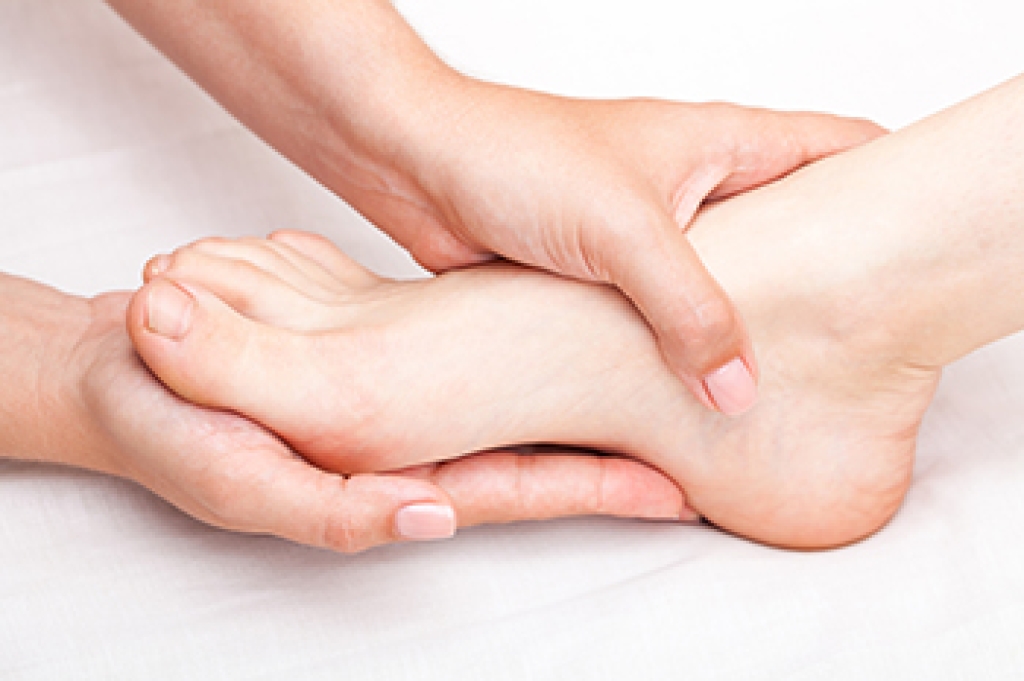
A growth, or lesion that is found in the arch of the foot may be indicative of a plantar fibroma. It is considered to be benign, and it develops in the thick tissue of the plantar fascia. This is the portion of tissue that connects the heel to the toes, and provides stability to the arch. A plantar fibroma generally develops slowly, and may be more prevalent in young adults. There may be existing medical ailments that can cause a plantar fibroma to develop, such as being diabetic, having an alcohol use disorder, or possibly from being an epileptic. The condition that is known as plantar fibromatosis may happen when the lesion begins to get larger, and multiple growths develop on the sole of the foot. Patients may notice pain and discomfort as the fibroma becomes larger, and may worsen when standing for long periods at a time. This is a condition that is treated by a podiatrist, and it is strongly advised that you contact this type of doctor if you are afflicted with this condition.
A plantar fibroma may disrupt your daily activities. If you have any concerns, contact James Torhorst, DPM of Torhorst Foot and Ankle. Our doctor can provide the care you need to keep you pain-free and on your feet.
Plantar Fibroma
A plantar fibroma is a fibrous knot in the arch of the foot. It is embedded in the plantar fascia which is a band of tissue that extends from the heel to the toes along the bottom of the foot. There can be multiple plantar fibromas in the feet at the same time. There are no known causes for this condition. If you have a plantar fibroma, there will be a bump in the arch of your foot that cannot be missed. Any associated pain is most often due to a shoe rubbing against the nodule. Non-surgical options, such as steroid injections, physical therapy, and orthotics should be tried first. Surgery is a last resort and is the only thing that will remove a plantar fibroma entirely. Consult with a podiatrist for a proper diagnosis and to determine the treatment regimen that is right for you.
What Causes a Plantar Fibroma?
While there are no specific causes identified, a plantar fibroma can possibly come from genetic predisposition or the formation of scar tissue that forms from healing the tears in the plantar fascia.
What Are the Symptoms of a Plantar Fibroma?
There will be a noticeable lump in the arch of the foot that may or may not cause pain. If pain is felt, it is typically because a shoe is rubbing up against the lump or when walking or standing barefoot.
Treatment and Prevention
A plantar fibroma will not disappear without treatment, but it can get smaller and be a non-issue. If pain persists, a podiatrist examines the foot and when the arch of the foot is pressed, pain can be felt down to the toes. An MRI or biopsy might be performed to help diagnose or evaluate the plantar fibroma. The following non-surgical options are generally enough to reduce the size and pain of these nodules:
Surgery is considered if the mass increases in size and the patient continues to feel pain after non-surgical methods are tried.
If you have any questions, please feel free to contact our offices located in Waupaca and Stevens Point, WI . We offer the newest diagnostic and treatment technologies for all your foot care needs.

Plantar fasciitis is defined as the inflammation of the plantar fascia, which is a band of tissue that runs along the sole of your foot. Some individuals are more susceptible to plantar fasciitis because of the nature of their employment. Bartenders fall into this category. Throughout their shifts, it is common for bartenders to be on their feet throughout the day and to move constantly between different points along the bar. All of this activity can cause micro tears in the arch of the foot, which can result in heel pain and calf pain. Bartenders have several potential solutions at their disposal to mitigate pain from plantar fasciitis. For example, bartenders might invest in a highly supportive pair of shoes. Some bartenders prefer shoes that have a good grip but are also supportive in the arch of the foot to prevent plantar fasciitis. Consult with a podiatrist today if you are a bartender.
Plantar fasciitis can be very painful and inconvenient. If you are experiencing heel pain or symptoms of plantar fasciitis, contact James Torhorst, DPM from Torhorst Foot and Ankle. Our doctor can provide the care you need to keep you pain-free and on your feet.
What Is Plantar Fasciitis?
Plantar fasciitis is the inflammation of the thick band of tissue that runs along the bottom of your foot, known as the plantar fascia, and causes mild to severe heel pain.
What Causes Plantar Fasciitis?
How Can It Be Treated?
While very treatable, plantar fasciitis is definitely not something that should be ignored. Especially in severe cases, speaking to your doctor right away is highly recommended to avoid complications and severe heel pain. Your podiatrist can work with you to provide the appropriate treatment options tailored to your condition.
If you have any questions, please feel free to contact our offices located in Waupaca and Stevens Point, WI . We offer the newest diagnostic and treatment technologies for all your foot care needs.
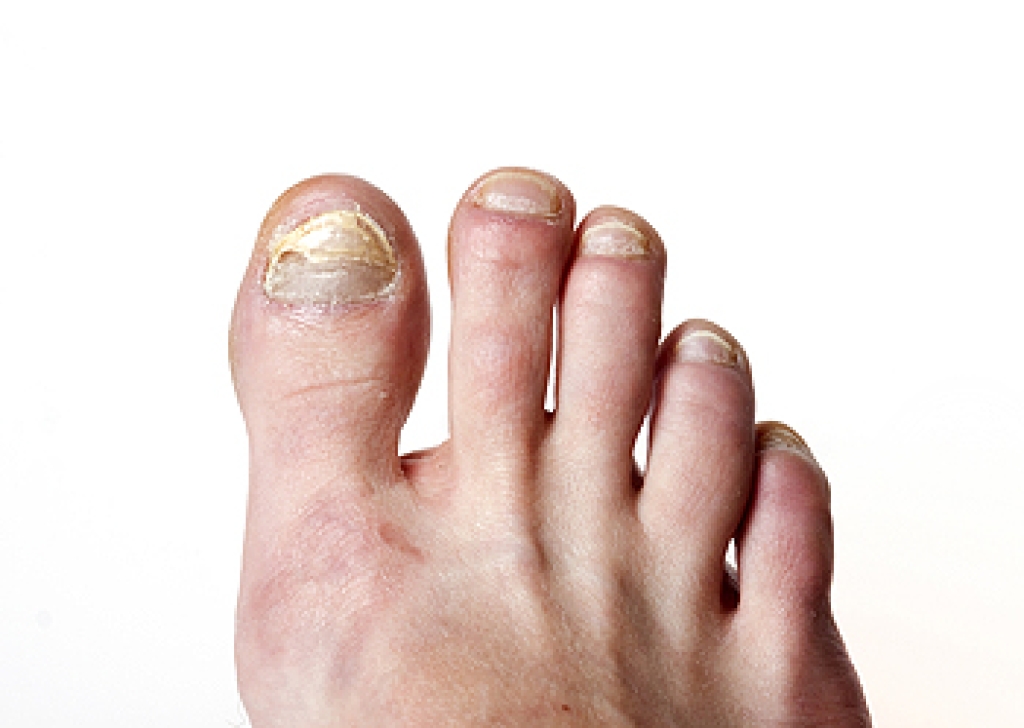
Aging is a risk factor for many diseases. Seniors take more medications, have weaker immune systems, and are more apt to suffer from pre-existing medical conditions, as well as mobility issues. While elderly nail fungus is not generally severe, it can be uncomfortable, and if left untreated, complications such as permanent nail damage or more serious infections can develop. Nail infections are caused by fungal organisms called fungi. These fungi can feed on keratin, present in the nails, hair, and skin. Such infections can also be caused by yeast and mold spores. The fungi get into the skin and nails from direct contact with infected materials, whether from animals, people, or clothes. Elderly nails are more likely to become brittle and have more cracks, and this makes it easier for the organisms to get inside and spread. Toenail fungus is more common than fingernail fungus. Symptoms typically include thick, discolored, brittle and damaged nails, with jagged edges and possibly a bad odor. Pain may also be present. Toenail fungus may be more prevalent in those with diabetes, recurring skin conditions, and circulation problems as these hinder the body’s ability to fight infection. If you are elderly or taking care of someone who has toenail fungus is a concern, contact a podiatrist who can help you with all foot and ankle-related conditions.
For more information about treatment, contact James Torhorst, DPM of Torhorst Foot and Ankle. Our doctor can provide the care you need to keep you pain-free and on your feet.
Toenail Fungus Treatment
Toenail fungus is a condition that affects many people and can be especially hard to get rid of. Fortunately, there are several methods to go about treating and avoiding it.
Antifungals & Deterrence
Oral antifungal medicine has been shown to be effective in many cases. It is important to consult with a podiatrist to determine the proper regiment for you, or potentially explore other options.
Applying foot powder on the feet and shoes helps keep the feet free of moisture and sweat.
Sandals or open toed shoes – Wearing these will allow air movement and help keep feet dry. They also expose your feet to light, which fungus cannot tolerate. Socks with moisture wicking material also help as well.
If you have any questions please contact our offices located in Waupaca and Stevens Point, WI . We offer the newest diagnostic and treatment technologies for all your foot and ankle needs.
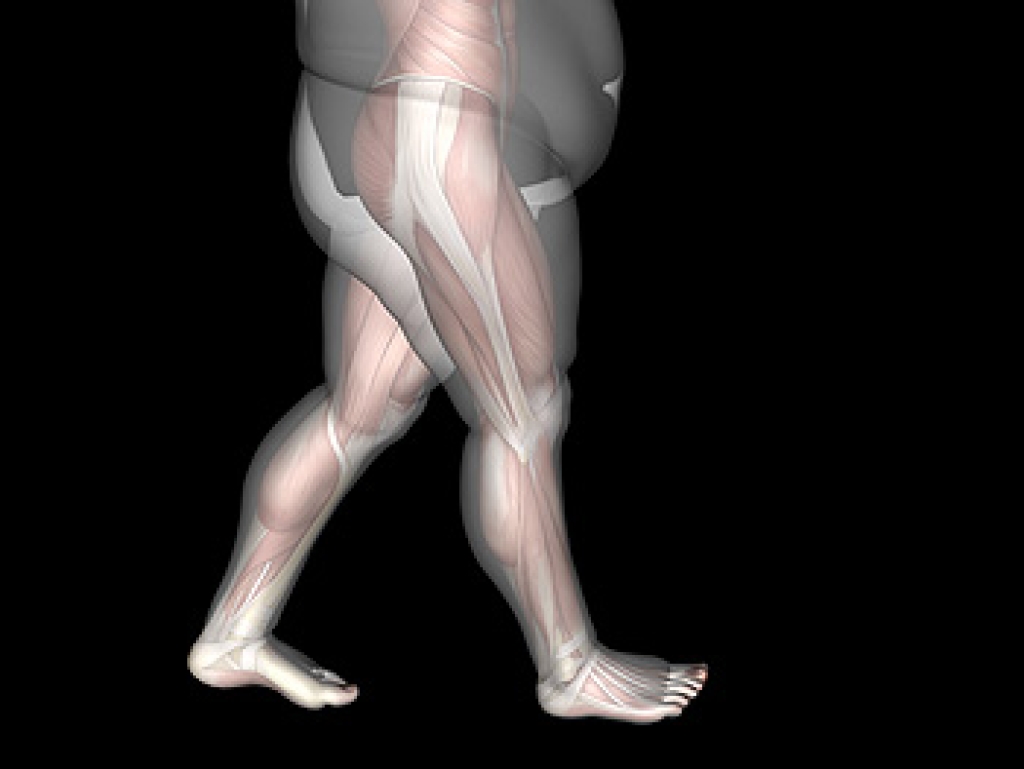
People who have gained weight may be concerned that their feet have gotten larger. Weight gain generally affects the overall body, and the feet are no exception. They may increase in length and width, and larger shoes often need to be purchased, which may be bothersome to some people. However, the feet will feel better when comfortable shoes are worn. It is suggested that a healthy diet be consumed, which may start the process of weight reduction, including in the feet. Drinking plenty of water daily, and implementing a gentle exercise routine may accelerate the desired weight loss. Additionally, elevating the feet frequently may reduce excess fluid build-up. Research has shown it may be beneficial to purchase running shoes that are larger, which may help to accommodate the size of the feet as a result of increased blood flow while running. If you would like more information about obesity and how it can affect the feet, please confer with a podiatrist.
Obesity has become very problematic at this point in time and can have extremely negative effects on the feet. If you’re an obese individual and are concerned about your feet, contact James Torhorst, DPM from Torhorst Foot and Ankle. Our doctor can provide the care you need to keep you pain-free and on your feet.
Obesity and Your Feet
Since your feet are what support your entire weight when standing, any additional weight can result in pain and swelling. Being overweight is one of the main contributors to foot complications.
Problems & Complications
Extra Weight – Even putting on just a few extra pounds could create serious complications for your feet. As your weight increases, your balance and body will shift, creating new stresses on your feet. This uneven weight distribution can cause pain, even while doing the simplest tasks, such as walking.
Diabetes – People who are overweight are at serious risk of developing type-2 diabetes, which has a drastic impact on the health of your feet. As you get older, your diabetes might worsen, which could lead to loss of feeling in your feet, sores, and bruises. You could also become more prone to various infections.
Plantar fasciitis – Pressure and stress that is placed on muscles, joints, and tendons can trigger plantar fasciitis, which is an inflammation of tissue that forms along the bottom of the foot.
If you have any questions, please feel free to contact our offices located in Waupaca and Stevens Point, WI . We offer the newest diagnostic and treatment technologies for all your foot care needs.
Connect With Us
