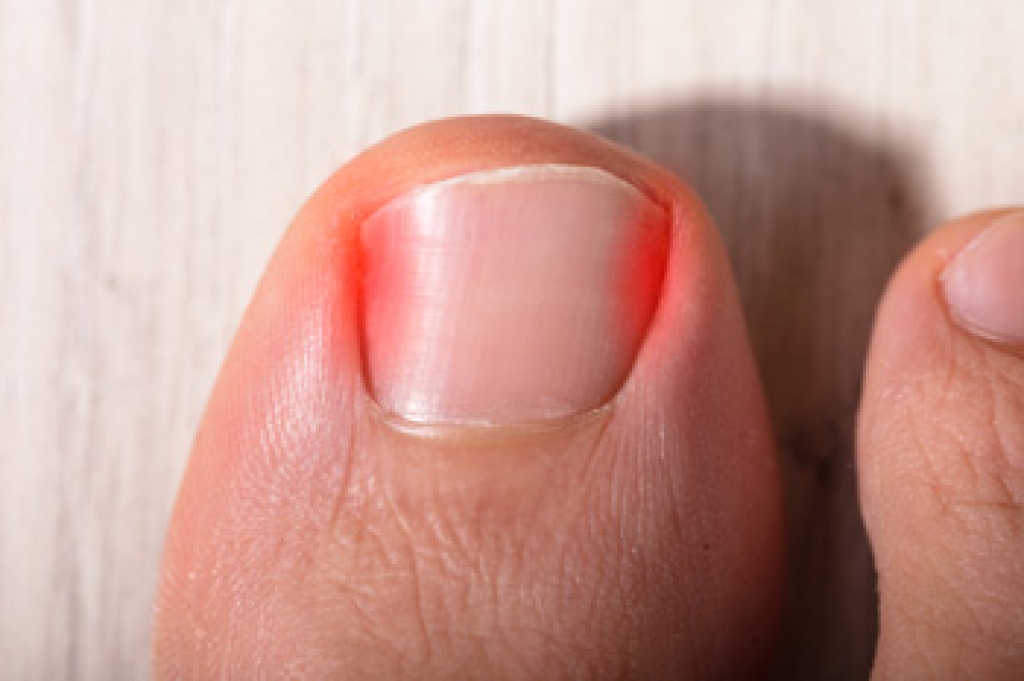
What Is a Nail Avulsion?

A nail avulsion is a surgical procedure that is used to treat severe ingrown toenails. During the surgery, the doctor removes the ingrown part of your nail from the surrounding skin. There are two types of nail avulsions. A partial nail avulsion involves removal of part of the nail bed. During this procedure, the nail is numbed with anesthetic and the ingrown edge is removed. Any pus is also drained. A total nail avulsion involves the complete removal of the nail. It can take a year or longer for a new nail to grow back. This operation is usually reserved for chronic cases that have not responded to any other treatments. If you have ingrown toenails, please seek the care of a podiatrist, who will find the right treatment for you. 

Ingrown toenails may initially present themselves as a minor discomfort, but they may progress into an infection in the skin without proper treatment. For more information about ingrown toenails, contact James Torhorst, DPM of Torhorst Foot and Ankle. Our doctor can provide the care you need to keep you pain-free and on your feet.

Ingrown Toenails

Ingrown toenails are caused when the corner or side of a toenail grows into the soft flesh surrounding it. They often result in redness, swelling, pain, and in some cases, infection. This condition typically affects the big toe and may recur if it is not treated properly.

Causes

  • Improper toenail trimming
  • Genetics
  • Improper shoe fitting
  • Injury from pedicures or nail picking
  • Abnormal gait
  • Poor hygiene

You are more likely to develop an ingrown toenail if you are obese, have diabetes, arthritis, or have any fungal infection in your nails. Additionally, people who have foot or toe deformities are at a higher risk of developing an ingrown toenail.

Symptoms

Some symptoms of ingrown toenails are redness, swelling, and pain. In rare cases, there may be a yellowish drainage coming from the nail.

Treatment

Ignoring an ingrown toenail can have serious complications. Infections of the nail border can progress to a deeper soft-tissue infection, which can then turn into a bone infection. You should always speak with your podiatrist if you suspect you have an ingrown toenail, especially if you have diabetes or poor circulation.

If you have any questions, please feel free to contact our offices located in Waupaca and Stevens Point, WI . We offer the newest diagnostic and treatment technologies for all your foot care needs.
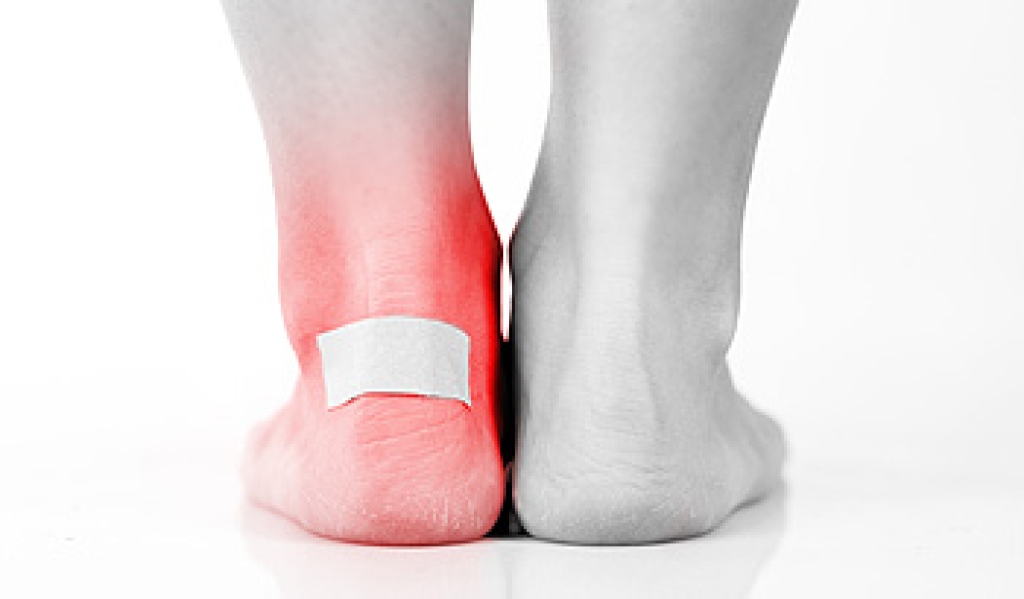
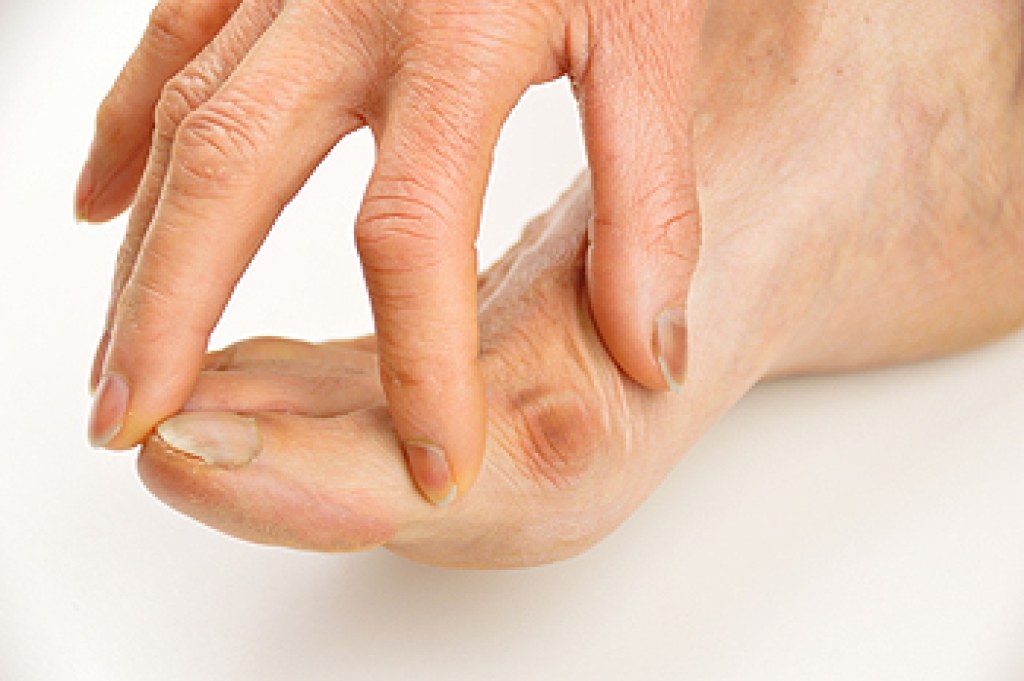
Read more about Ingrown Toenail Care

Types of Foot Blisters

Blisters are fluid-filled bubbles of skin that can form anywhere on the body.  Most blisters on the feet and toes are caused by friction from shoes or socks rubbing repeatedly over a concentrated area of skin. The top layer of skin separates from the layers of skin underneath it and the empty space fills with a fluid called serum or plasma. The fluid cushions and protects the raw skin underneath the blister.  Most blisters are clear and filled with serum. Sometimes, a blister can appear red or black. This is indicative of blood vessel damage, in addition to skin damage. Infected blisters may have a white or yellow tinge due to pus forming and collecting beneath the blister. Most blisters heal on their own, but if you have a blister that appears to be infected, it is strongly suggested that you see a podiatrist for treatment.  

Blisters may appear as a single bubble or in a cluster. They can cause a lot of pain and may be filled with pus, blood, or watery serum. If your feet are hurting, contact James Torhorst, DPM of Torhorst Foot and Ankle. Our doctor can provide the care you need to keep you pain-free and on your feet.

Foot Blisters

Foot blisters are often the result of friction. This happens due to the constant rubbing from shoes, which can lead to pain.

What Are Foot Blisters?

A foot blister is a small fluid-filled pocket that forms on the upper-most layer of the skin. Blisters are filled with clear fluid and can lead to blood drainage or pus if the area becomes infected.

Symptoms

(Blister symptoms may vary depending on what is causing them)

  • Bubble of skin filled with fluid
  • Redness
  • Moderate to severe pain
  • Itching

Prevention & Treatment

In order to prevent blisters, you should be sure to wear comfortable shoes with socks that cushion your feet and absorb sweat. Breaking a blister open may increase your chances of developing an infection. However, if your blister breaks, you should wash the area with soap and water immediately and then apply a bandage to the affected area. If your blisters cause severe pain it is important that you call your podiatrist right away.

If you have any questions, please feel free to contact our offices located in Waupaca and Stevens Point, WI . We offer the newest diagnostic and treatment technologies for all your foot care needs.
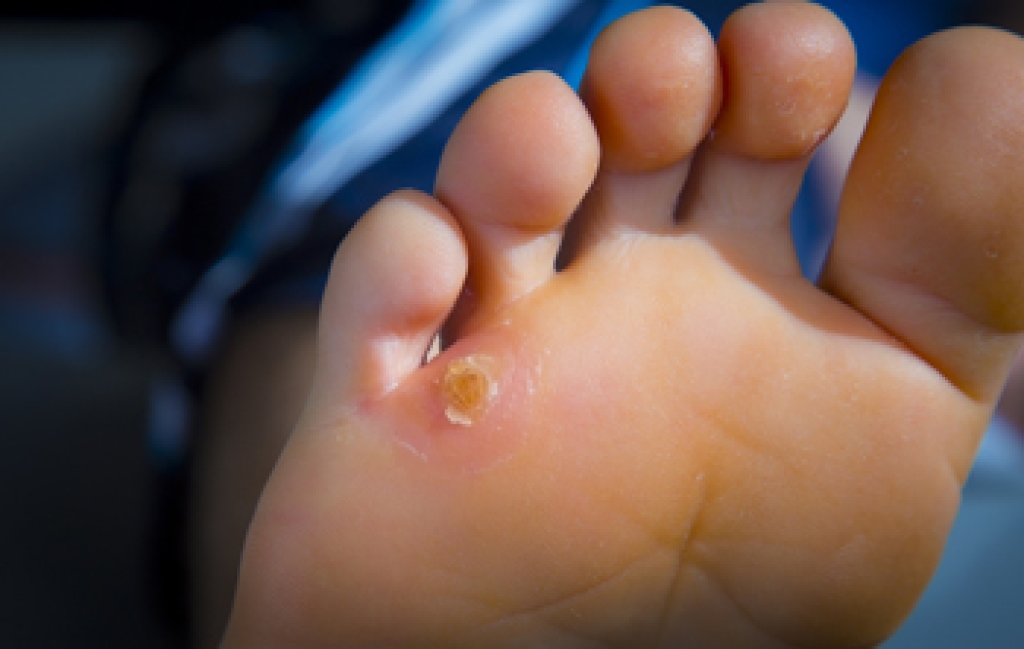
Read more about Blisters

Are Bunions Noticeable?

It is generally easy to notice a bunion when it has developed on your foot. A bunion is a bump that forms on the side of the big toe that can make wearing shoes difficult for the majority of the day. A common reason why bunions can form is from wearing shoes that do not have adequate room for the toes to move freely in.  Additionally, they may form from genetic reasons. If the bunion grows, it can change the shape of the foot, and larger shoes may need to be purchased. Ballet dancers are often at risk of developing bunions because of the constant stress the feet endure while practicing specific poses. Pregnancy can lead to the formation of bunions, which may come from hormonal changes that can affect the feet. Mild relief may be found when a protective pad is worn over the bunion, and this can be helpful in protecting it against friction that can come from wearing shoes. If you notice a bump has formed on your foot, it is strongly suggested that you consult with a podiatrist who can perform a proper diagnosis and offer you correct treatment methods.

If you are suffering from bunion pain, contact James Torhorst, DPM of Torhorst Foot and Ankle. Our doctor can provide the care you need to keep you pain-free and on your feet.

What Is a Bunion?

Bunions are painful bony bumps that usually develop on the inside of the foot at the joint of the big toe. As the deformity increases over time, it may become painful to walk and wear shoes. Women are more likely to exacerbate existing bunions since they often wear tight, narrow shoes that shift their toes together. Bunion pain can be relieved by wearing wider shoes with enough room for the toes.

Causes

  • Genetics – some people inherit feet that are more prone to bunion development
  • Inflammatory Conditions - rheumatoid arthritis and polio may cause bunion development

Symptoms

  • Redness and inflammation
  • Pain and tenderness
  • Callus or corns on the bump
  • Restricted motion in the big toe

In order to diagnose your bunion, your podiatrist may ask about your medical history, symptoms, and general health. Your doctor might also order an x-ray to take a closer look at your feet. Nonsurgical treatment options include orthotics, padding, icing, changes in footwear, and medication. If nonsurgical treatments don’t alleviate your bunion pain, surgery may be necessary.

If you have any questions, please feel free to contact our offices located in Waupaca and Stevens Point, WI . We offer the newest diagnostic and treatment technologies for all your foot care needs.

Read more about Bunions

Treatment for Corns

Corns are small lumps that can form on the feet in response to friction. They may be hard or soft, depending on their location. Hard corns might form on the tops of the toes or on the soles of the feet, while soft corns usually form in between the toes. Though they are typically not serious, corns can be annoying and uncomfortable. A variety of home treatments can be used to find relief. For example, soaking your feet and rubbing dry areas of skin with a wet pumice stone can help soften hard corns. Moisturizing your feet regularly and wearing comfortable, well-fitted shoes can help prevent corns from developing. If you have painful, inflamed corns, or if you are diabetic, it is suggested that you see a podiatrist for proper treatment. 

If you have any concerns regarding your feet and ankles, contact James Torhorst, DPM of Torhorst Foot and Ankle. Our doctor will treat your foot and ankle needs.

Corns: What Are They? and How Do You Get Rid of Them?
Corns can be described as areas of the skin that have thickened to the point of becoming painful or irritating. They are often layers and layers of the skin that have become dry and rough, and are normally smaller than calluses.

Ways to Prevent Corns
There are many ways to get rid of painful corns such as wearing:

  • Well-fitting socks
  • Comfortable shoes that are not tight around your foot
  • Shoes that offer support

Treating Corns
Treatment of corns involves removing the dead skin that has built up in the specific area of the foot. Consult with Our doctor to determine the best treatment option for your case of corns.

If you have any questions, please feel free to contact our offices located in Waupaca and Stevens Point, WI . We offer the newest diagnostic and treatment technologies for all your foot care needs.

Read more about Corns: What Are They, and How Do You Get Rid of Them

Do Your Child's Feet Hurt?

Have your child's feet been examined lately? Healthy feet are happy feet. If your child is complaining of foot pain, it may be a sign of underlying problems.

Connect With Us