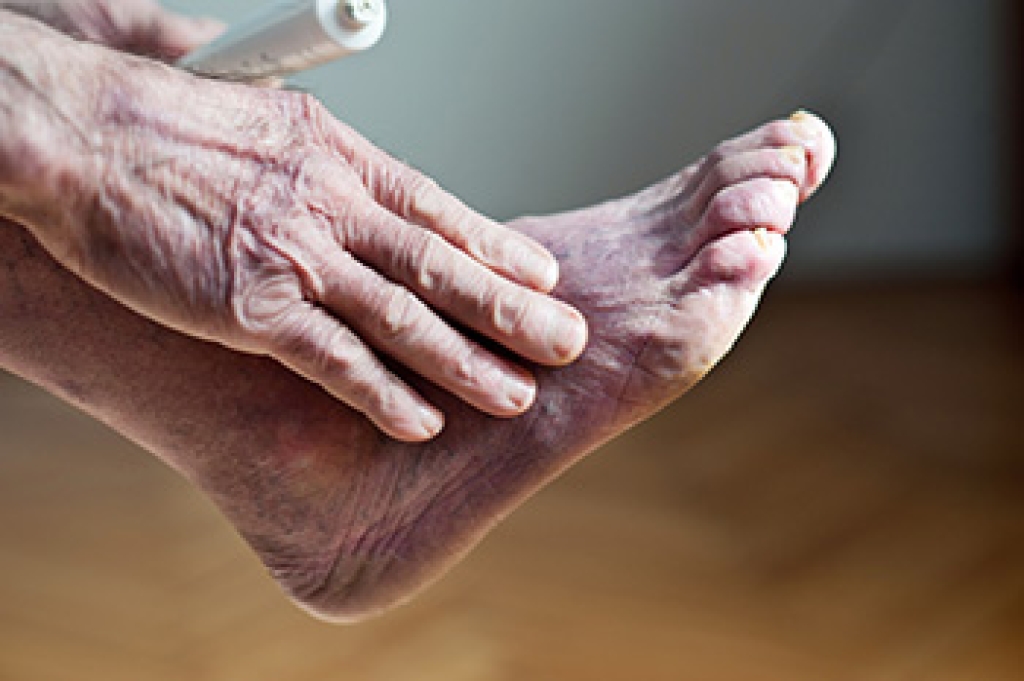
Cold Feet and Poor Circulation

Circulation problems are caused in the feet when blood is not able to easily reach the feet. Occasionally, poor circulation in the feet can be a contributing cause to a variety of different afflictions of the foot. Namely, poor circulation can sometimes affect the temperature of the feet. This can lead to a condition known as cold feet. As its name suggests, those living with consistently cold feet feel can feel low temperatures in their lower extremities. Poor circulation can cause this condition as a result of an insufficient amount of warm blood traveling to the feet, and the feet may feel abnormally cold. If you are living with poor circulation in your feet, consider the risk of developing cold feet. Contact a podiatrist to answer any of your questions in addition to learning about various treatment options.


Poor circulation is a serious condition and needs immediate medical attention. If you have any concerns with poor circulation in your feet contact James Torhorst, DPM of Torhorst Foot and Ankle. Our doctor will treat your foot and ankle needs.

Poor Circulation in the Feet

Poor blood circulation in the feet and legs is can be caused by peripheral artery disease (PAD), which is the result of a buildup of plaque in the arteries.

Plaque buildup or atherosclerosis results from excess calcium and cholesterol in the bloodstream. This can restrict the amount of blood which can flow through the arteries. Poor blood circulation in the feet and legs are sometimes caused by inflammation in the blood vessels, known as vasculitis.

Causes

Lack of oxygen and oxygen from poor blood circulation restricts muscle growth and development. It can also cause:

  • Muscle pain, stiffness, or weakness 
  • Numbness or cramping in the legs
  • Skin discoloration
  • Slower nail & hair growth
  • Erectile dysfunction

Those who have diabetes or smoke are at greatest risk for poor circulation, as are those who are over 50. If you have poor circulation in the feet and legs it may be caused by PAD and is important to make changes to your lifestyle in order to reduce risk of getting a heart attack or stroke. Exercise and maintaining a healthy lifestyle will dramatically improve conditions.

As always, see a podiatrist as he or she will assist in finding a regimen that suits you. A podiatrist can also prescribe you any needed medication. 

If you have any questions, please feel free to contact our offices located in Waupaca and Stevens Point, WI . We offer the newest diagnostic and treatment technologies for all your foot care needs.

Read more about Causes Symptoms and Treatment for Poor Circulation in the Feet

Do You Suffer From Painful Feet?

Painful deformities, such as hammertoes, can be treated. Stop living with foot pain, and have beautiful feet again!

Can Gout Be Prevented?

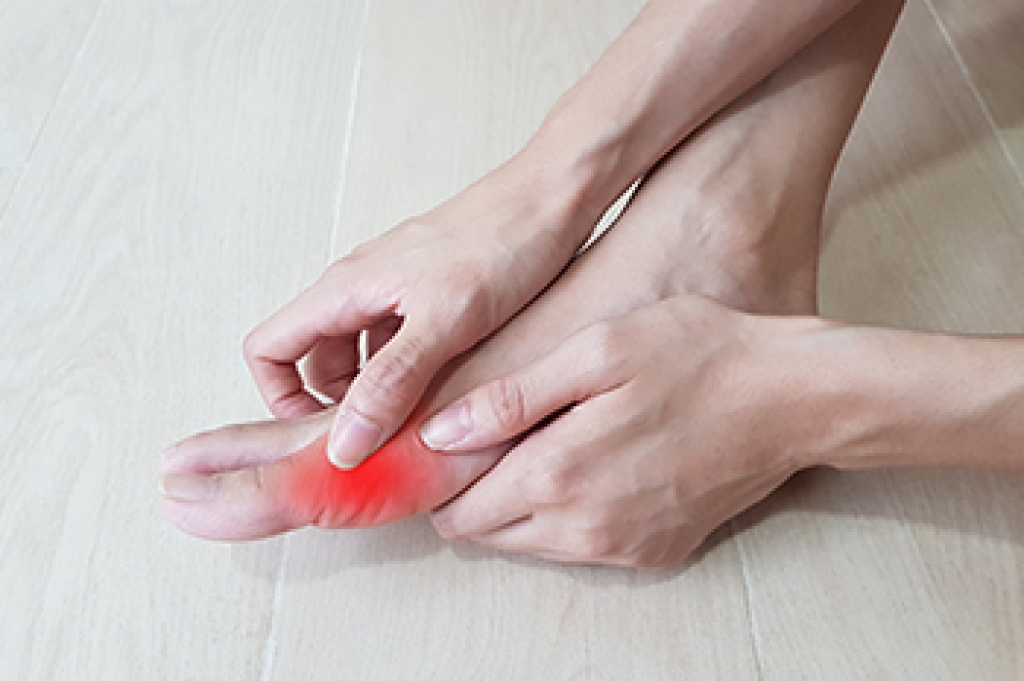
The symptoms that are associated with gout can include debilitating pain and inflamed joints in the big toe. Many patients have swelling and redness, and it can be difficult to walk. Gout is considered to be a form of arthritis, and can be caused by genetic factors. Additionally, eating foods that have high levels of purines may lead to getting gout. Purines break down into uric acid which can form crystals in the joints of the big toe. These types of foods may include red meat, shellfish, or drinking large amounts of alcohol. A proper diagnosis typically consists of extracting a sample of fluid from the inflamed joint, and having it analyzed. Effective prevention methods can consist of drinking plenty of water daily, eating fresh fruits and vegetables, and limiting the amount of red meat, shellfish, and alcohol from the eating routine. Please contact a podiatrist as quickly as possible who can help you manage the pain from gout and offer you additional prevention methods.

Gout is a painful condition that can be treated. If you are seeking treatment, contact James Torhorst, DPM from Torhorst Foot and Ankle. Our doctor will treat your foot and ankle needs.

What Is Gout?

Gout is a form of arthritis that is characterized by sudden, severe attacks of pain, redness, and tenderness in the joints. The condition usually affects the joint at the base of the big toe. A gout attack can occur at any random time, such as the middle of the night while you are asleep.

Symptoms

  • Intense Joint Pain - Usually around the large joint of your big toe, and it most severe within the first four to twelve hours
  • Lingering Discomfort - Joint discomfort may last from a few days to a few weeks
  • Inflammation and Redness -Affected joints may become swollen, tender, warm and red
  • Limited Range of Motion - May experience a decrease in joint mobility

Risk Factors

  • Genetics - If family members have gout, you’re more likely to have it
  • Medications - Diuretic medications can raise uric acid levels
  • Gender/Age - Gout is more common in men until the age of 60. It is believed that estrogen protects women until that point
  • Diet - Eating red meat and shellfish increases your risk
  • Alcohol - Having more than two alcoholic drinks per day increases your risk
  • Obesity - Obese people are at a higher risk for gout

Prior to visiting your podiatrist to receive treatment for gout, there are a few things you should do beforehand. If you have gout you should write down your symptoms--including when they started and how often you experience them, important medical information you may have, and any questions you may have. Writing down these three things will help your podiatrist in assessing your specific situation so that he or she may provide the best route of treatment for you.

If you have any questions, please feel free to contact our offices located in Waupaca and Stevens Point, WI . We offer the newest diagnostic and treatment technologies for all your foot care needs.
Read more about Everything You Need to Know About Gout

A Possible Treatment for a Broken Toe

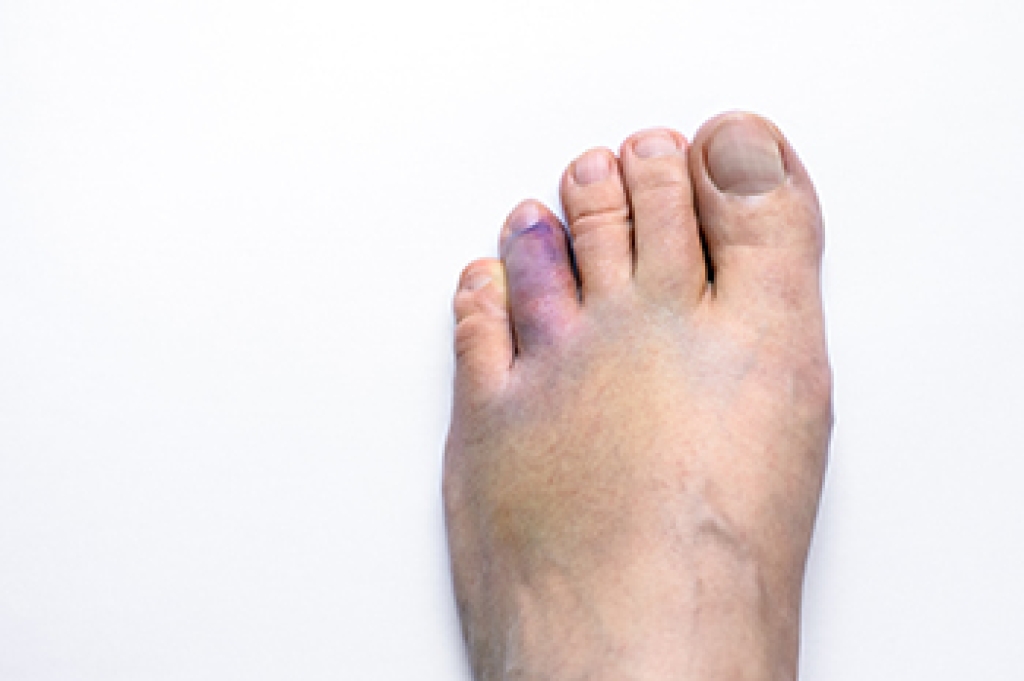
A broken toe is generally not a serious foot condition, despite the fact that it can cause pain, discomfort, and inconvenience. It is considered to be a common ailment, and it can happen for a variety of reasons. These can consist of dropping a heavy object on it or stubbing it into a piece of furniture. Additionally, it may fracture from increasing physical activity too quickly, possibly resulting in a hairline fracture of the toe. The common symptoms that many people experience with a broken toe can include immediate bruising, swelling, and it is often difficult to walk. The buddy taping method can be effective in treating mildly broken toes. This is accomplished by taping the affected toe to the toe next to it, which is generally adequate in providing the necessary stability as the healing process occurs. For severely broken toes, the expertise of a podiatrist is needed who can effectively treat broken toes. 

A broken toe can be very painful and lead to complications if not properly fixed. If you have any concerns about your feet, contact James Torhorst, DPM from Torhorst Foot and Ankle. Our doctor will treat your foot and ankle needs.

What to Know About a Broken Toe

Although most people try to avoid foot trauma such as banging, stubbing, or dropping heavy objects on their feet, the unfortunate fact is that it is a common occurrence. Given the fact that toes are positioned in front of the feet, they typically sustain the brunt of such trauma. When trauma occurs to a toe, the result can be a painful break (fracture).

Symptoms of a Broken Toe

  • Throbbing pain
  • Swelling
  • Bruising on the skin and toenail
  • The inability to move the toe
  • Toe appears crooked or disfigured
  • Tingling or numbness in the toe

Generally, it is best to stay off of the injured toe with the affected foot elevated.

Severe toe fractures may be treated with a splint, cast, and in some cases, minor surgery. Due to its position and the pressure it endures with daily activity, future complications can occur if the big toe is not properly treated.

If you have any questions, please feel free to contact our offices located in Waupaca and Stevens Point, WI . We offer the newest diagnostic and treatment technologies for all your foot care needs.

Read more about What to Know About a Broken Toe

What Is Restless Leg Syndrome?

Knowing how the feet and lower legs function can dramatically increase one’s ability to care for the feet. One important aspect of knowing how the feet work is being aware of certain syndromes that can affect the feet and lower legs. Restless leg syndrome is one such syndrome that individuals ought to be aware of. This syndrome occurs when an individual has an overpowering urge to move the legs, for example, due to feelings of discomfort, a desire to stretch, or prickling sensations. As a result, the individual frequently must move their legs, and this is often something that disrupts sleep. In other words, one’s quality of sleep can be reduced because of restless leg syndrome and the leg movement that it can cause. Of course, restless leg syndrome is just one of many different kinds of syndromes that can affect the feet and lower legs. If you are interested in learning more about the biomechanics of the feet and syndromes that can develop, contact a podiatrist today. 

If you have any concerns about your feet, contact James Torhorst, DPM from Torhorst Foot and Ankle. Our doctor can provide the care you need to keep you pain-free and on your feet.

Biomechanics in Podiatry

Podiatric biomechanics is a particular sector of specialty podiatry with licensed practitioners who are trained to diagnose and treat conditions affecting the foot, ankle and lower leg. Biomechanics deals with the forces that act against the body, causing an interference with the biological structures. It focuses on the movement of the ankle, the foot and the forces that interact with them.

A History of Biomechanics

  • Biomechanics dates back to the BC era in Egypt where evidence of professional foot care has been recorded.
  • In 1974, biomechanics gained a higher profile from the studies of Merton Root, who claimed that by changing or controlling the forces between the ankle and the foot, corrections or conditions could be implemented to gain strength and coordination in the area.

Modern technological improvements are based on past theories and therapeutic processes that provide a better understanding of podiatric concepts for biomechanics. Computers can provide accurate information about the forces and patterns of the feet and lower legs.

Understanding biomechanics of the feet can help improve and eliminate pain, stopping further stress to the foot.

If you have any questions please feel free to contact our offices located in Waupaca and Stevens Point, WI . We offer the newest diagnostic and treatment technologies for all your foot and ankle needs.

Read more about Biomechanics in Podiatry

Connect With Us