Tennis Injuries, Anyone?

If you are a tennis player, you may be more prone to experiencing certain overuse injuries of the lower extremities. “Jumper’s knee,” or patellar tendonitis, is one of these injuries. It occurs when the patellar tendon, which holds the knee straight, tears over time. Pain can be felt under the kneecap, and it may be difficult (or impossible) to straighten your leg. Achilles tendonitis is another common tennis injury. It occurs when the Achilles tendon, which connects the heel bone with the calf muscles, is chronically stressed and becomes inflamed and painful. Suddenly increasing the intensity or duration of play can sometimes cause this condition to occur. Ankle sprains are another common injury in tennis players, as the sport requires quick position changes, pivots, and sprints. This injury causes pain, swelling, tightness, and sometimes bruising in the ankle. Plantar fasciitis occurs when the plantar fascia tissue, which runs along the sole of the foot, gets overstressed, inflamed, and sometimes torn. Playing tennis can also cause a great deal of repetitive stress on bones, which ultimately may lead to a stress fracture. The shin bone is particularly prone to stress fractures which can produce a dull ache and weakness in the affected bone. If you have suffered any of these injuries or would like information on how to protect yourself from them, contact a podiatrist.

Ankle and foot injuries are common among athletes and in many sports. They can be caused by several problems and may be potentially serious. If you are feeling pain or think you were injured in a sporting event or when exercising, consult with James Torhorst, DPM from Torhorst Foot and Ankle. Our doctor will assess your condition and provide you with quality foot and ankle treatment.

Common Injuries

The most common injuries that occur in sporting activities include:

  • Achilles Tendonitis
  • Achilles Tendon Rupture
  • Ankle Sprains
  • Broken Foot
  • Plantar Fasciitis
  • Stress Fractures
  • Turf Toe

Symptoms

Symptoms vary depending upon the injury and in some cases, there may be no symptoms at all. However, in most cases, some form of symptom is experienced. Pain, aching, burning, bruising, tenderness, tightness or stiffness, sensation loss, difficulty moving, and swelling are the most common symptoms.

Treatment

Just as symptoms vary depending upon the injury, so do treatment options. A common treatment method is known as the RICE method. This method involves rest, applying ice, compression and elevating the afflicted foot or ankle. If the injury appears to be more serious, surgery might be required, such as arthroscopic or reconstructive surgery. Lastly, rehabilitation or therapy might be needed to gain full functionality in the afflicted area. Any discomfort experienced by an athlete must be evaluated by a licensed, reputable medical professional.  

If you have any questions please contact our offices located in Waupaca and Stevens Point, WI . We offer the newest diagnostic and treatment technologies for all your foot and ankle needs.
Read more about Sports Related Foot and Ankle Injuries

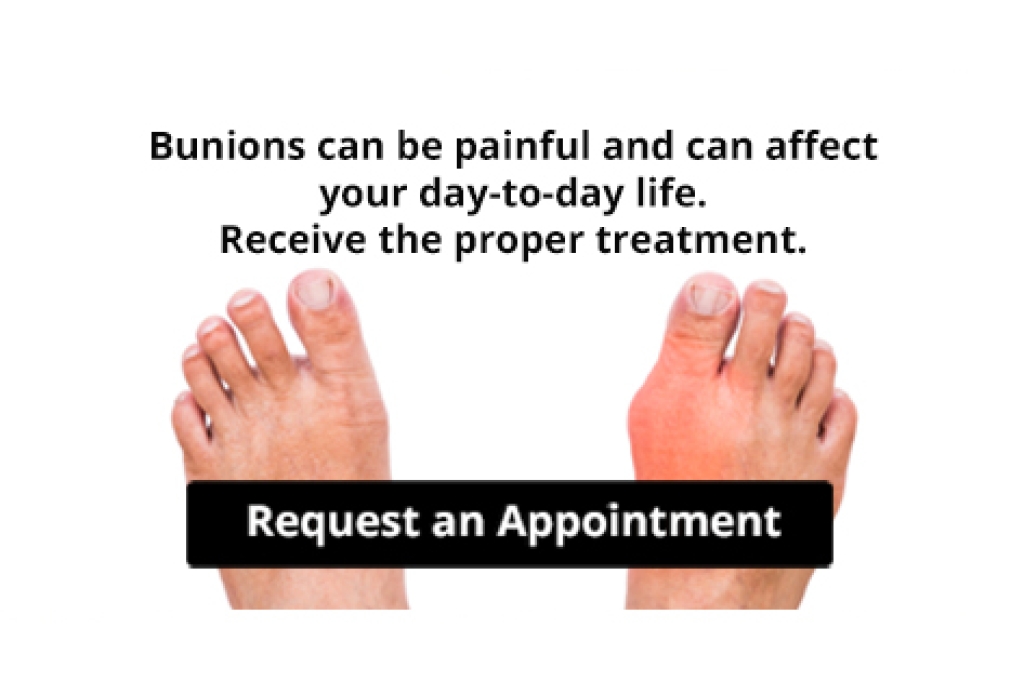
Are Bunions Affecting Your Everyday Life?

Have you noticed a bony protrusion on the side of your big toe? If so, you may have developed the foot condition known as a bunion. Don't let bunions interfere with your daily activities.

Facts About Ingrown Toenails

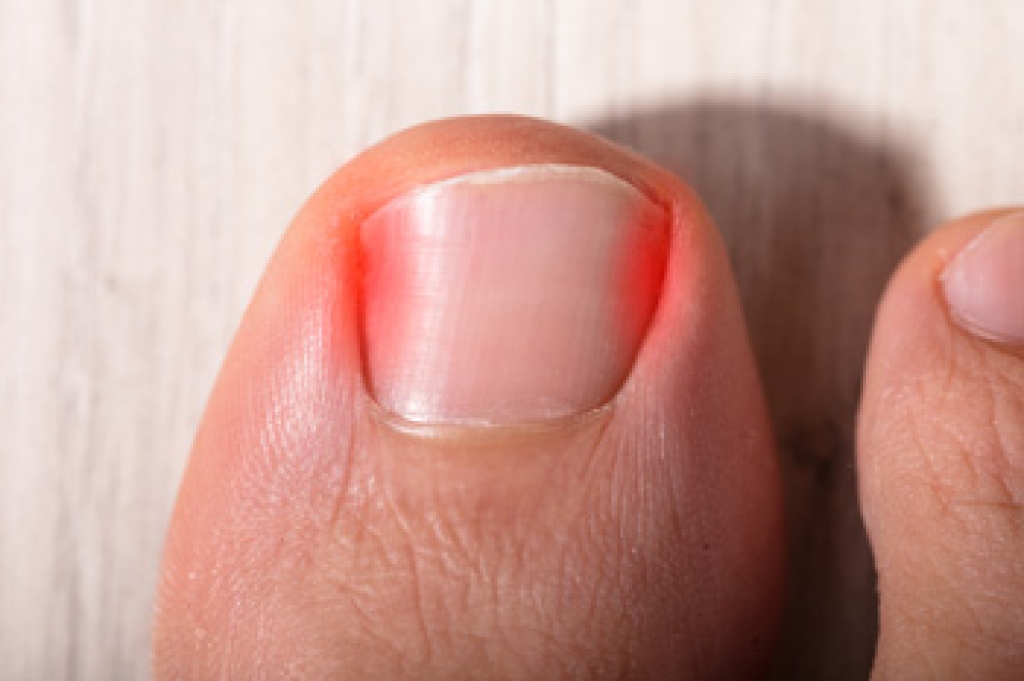
Having an ingrown toenail is annoying and painful, but it can be preventable. When the side of a toenail becomes engulfed by the skin around it, pressure can build up and cause pain. Typical signs of an ingrown toenail include redness and swelling, pain when touched, or hardened skin next to the nail. If the area gets infected, it may become filled with pus and cause bleeding. Causes of ingrown toenails include tight fitting shoes, toenails cut incorrectly or not at all, and poor foot hygiene. Home prevention techniques include cutting toenails straight across, keeping your feet clean and dried, and wearing shoes that fit properly. Anyone who has diabetes, poor peripheral circulation, or other systemic conditions that affect the feet should seek the care of a podiatrist regularly. In cases of a badly ingrown toenail, it is strongly suggested that you consult a podiatrist. Possible treatment may call for partial or complete removal of the nail to prevent further complications. 

Ingrown toenails can become painful if they are not treated properly. For more information about ingrown toenails, contact James Torhorst, DPM of Torhorst Foot and Ankle. Our doctor can provide the care you need to keep you pain-free and on your feet.

Ingrown Toenails

Ingrown toenails occur when a toenail grows sideways into the bed of the nail, causing pain, swelling, and possibly infection.

Causes

  • Bacterial infections
  • Improper nail cutting such as cutting it too short or not straight across
  • Trauma to the toe, such as stubbing, which causes the nail to grow back irregularly
  • Ill-fitting shoes that bunch the toes too close together
  • Genetic predisposition

Prevention

Wearing proper fitting shoes and using proper cutting techniques will also help decrease your risk of developing ingrown toenails.

Treatment

Ingrown toenails are a very treatable foot condition. In minor cases, soaking the affected area in salt or antibacterial soaps will not only help with the ingrown nail itself, but also help prevent any infections from occurring. In more severe cases, surgery is an option. In either case, speaking to your podiatrist about this condition will help you get a better understanding of specific treatment options that are right for you.

If you have any questions, please feel free to contact our offices located in Waupaca and Stevens Point, WI . We offer the newest diagnostic and treatment technologies for all your foot care needs.

Read more about Ingrown Toenails

Are Flip-Flops Bad for My Feet?

As summer nears, many of us want to go barefoot or wear flip-flops rather than closed-toed shoes and socks. Flip-flops are easy to grab and wear, can feel cool, and help with healing foot problems requiring less restriction of the feet. Their breathability can also help prevent foot infections. However, there are downsides to wearing flip-flops which generally involve their lack of padding and support. Flip-flops can be worn occasionally with no problem, but they do not absorb shock, can be dangerous in certain terrains, cause blisters from the Y strap rubbing against the skin, and negatively affect the biomechanics of the body because the stride is toe to heel versus the opposite usual stride. Wearing flip-flops can lead to pain in the back, hips, legs, and lower joints and cause other foot conditions like flat feet and plantar fasciitis. The obvious solution is to use care in wearing flip-flops and pay attention to what your feet may be telling you.  If you have over-worn your flip-flops and are having problems with your feet as a result, consult with a podiatrist to check for problems and obtain a treatment regimen.

Flip-flops are not always the best choice of footwear. If you have any concerns about your feet or ankles, contact James Torhorst, DPM from Torhorst Foot and Ankle. Our doctor will assist you with all of your foot and ankle needs.

Flip-Flops and Feet

When the weather starts warming up, people enjoy wearing flip-flops.  Flip-flops are comfortable, stylish, and easy to slip on and off; they're perfect for any summer beach goer.  However, these shoes can cause harm to the feet.

How Can Flip-Flops Affect Me Long-Term?

  • Ankle problems
  • Hip problems
  • Lower back problems
  • Pain in the balls of the feet
  • Problems with foot arches
  • Changes in the way you walk

Are There Injuries Associated with Flip-Flops?

Yes.  Since flip-flops are relatively weak and do not provide the same amount of support as sneakers, people who wear flip-flops regularly are more susceptible to injuries. On top of that, the open nature of the shoe makes your feet more prone to other problems, such as cuts and even infections.  Common injuries and ailments include:

  • Sprained ankles
  • Blisters
  • Infections
  • Cuts and Scrapes

I like Wearing Flip-Flops. Are There Safe Alternatives?

When buying flip-flops, try to find ones that have sturdy soles and that are made of high-quality materials that will support for your feet.  These flip-flops will cost more but will also last longer as a result.

If you have any questions, please feel free to contact our offices located in Waupaca and Stevens Point, WI . We offer the newest diagnostic and treatment technologies for all your foot care needs.

Read more about Flip Flops and Feet

Simple Methods to Care for Diabetic Feet

There are many diabetic patients who understand that keeping their glucose levels in a normal range is essential in preventing painful foot conditions. The inability to feel sensations in the feet is referred to as neuropathy, and it is important to check for cuts, bruises and scrapes every day. This can be done by using a mirror, or by having a family member inspect the feet. Additionally, the feet will feel better when they are kept clean and dry, and it may help to use talcum powder between the toes. The painful condition that is known as cracked heels may be avoided when a good moisturizer is used. Many diabetic patients see a podiatrist to have their nails trimmed correctly, and this may help to prevent ingrown toenails. It is advised against walking barefoot, and wearing shoes that fit properly will make the feet and overall body feel more comfortable. If you are diabetic, it is strongly suggested that you are under the care of a podiatrist who can help you with managing your diabetic foot care.. 

Diabetic foot care is important in preventing foot ailments such as ulcers. If you are suffering from diabetes or have any other concerns about your feet, contact James Torhorst, DPM from Torhorst Foot and Ankle. Our doctor can provide the care you need to keep you pain-free and on your feet.

Diabetic Foot Care

Diabetes affects millions of people every year. The condition can damage blood vessels in many parts of the body, especially the feet. Because of this, taking care of your feet is essential if you have diabetes, and having a podiatrist help monitor your foot health is highly recommended.

The Importance of Caring for Your Feet

  • Routinely inspect your feet for bruises or sores.
  • Wear socks that fit your feet comfortably.
  • Wear comfortable shoes that provide adequate support.

Patients with diabetes should have their doctor monitor their blood levels, as blood sugar levels play such a huge role in diabetic care. Monitoring these levels on a regular basis is highly advised.

It is always best to inform your healthcare professional of any concerns you may have regarding your feet, especially for diabetic patients. Early treatment and routine foot examinations are keys to maintaining proper health, especially because severe complications can arise if proper treatment is not applied.

If you have any questions, please feel free to contact our offices located in Waupaca and Stevens Point, WI . We offer the newest diagnostic and treatment technologies for all your foot care needs.

Read more about Diabetic Foot Care

Connect With Us