
Custom orthotics, or shoe inserts, should be periodically replaced. Orthotics must fit properly to give you the best results. Protect your feet and ankles!
Custom orthotics, or shoe inserts, should be periodically replaced. Orthotics must fit properly to give you the best results. Protect your feet and ankles!
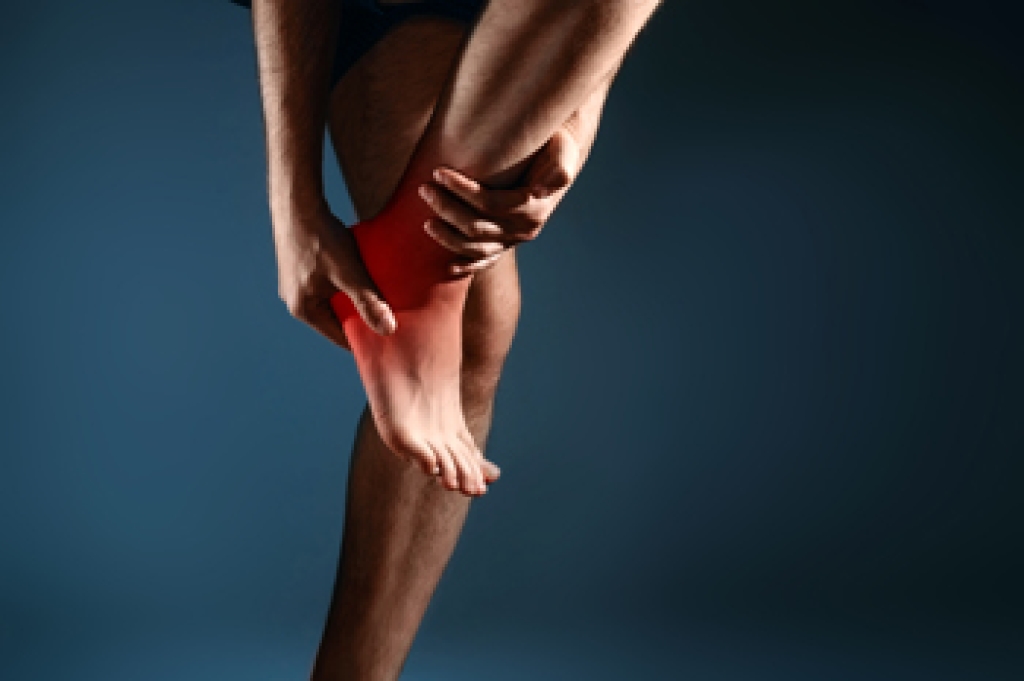 Foot pain can have a wide variety of sources. For example, issues such as arthritis, which causes inflammation in the joints, or tendonitis, which causes inflammation to the tendons, can gradually develop over time. Trauma to the foot can cause a painful injury such as a sprain or fracture. Even issues with blood flow to the feet, such as peripheral vascular disease (where there is a constriction of blood flow) or deep vein thrombosis (a blood clot), can result in painful foot conditions. Biomechanical issues like flat feet can also lead to foot pain. Because of the variety of pain that can occur in the feet, patients who are struggling with foot pain should see a podiatrist to help develop a personal treatment plan.
Foot Pain
Foot pain can be extremely painful and debilitating. If you have a foot pain, consult with James Torhorst, DPM from Torhorst Foot and Ankle. Our doctor will assess your condition and provide you with quality foot and ankle treatment.
Causes
Foot pain is a very broad condition that could be caused by one or more ailments. The most common include:
Diagnosis
To figure out the cause of foot pain, podiatrists utilize several different methods. This can range from simple visual inspections and sensation tests to X-rays and MRI scans. Prior medical history, family medical history, and any recent physical traumatic events will all be taken into consideration for a proper diagnosis.
Treatment
Treatment depends upon the cause of the foot pain. Whether it is resting, staying off the foot, or having surgery; podiatrists have a number of treatment options available for foot pain.
If you have any questions, please feel free to contact our offices located in Waupaca and Stevens Point, WI . We offer the newest diagnostic and treatment technologies for all your foot care needs.
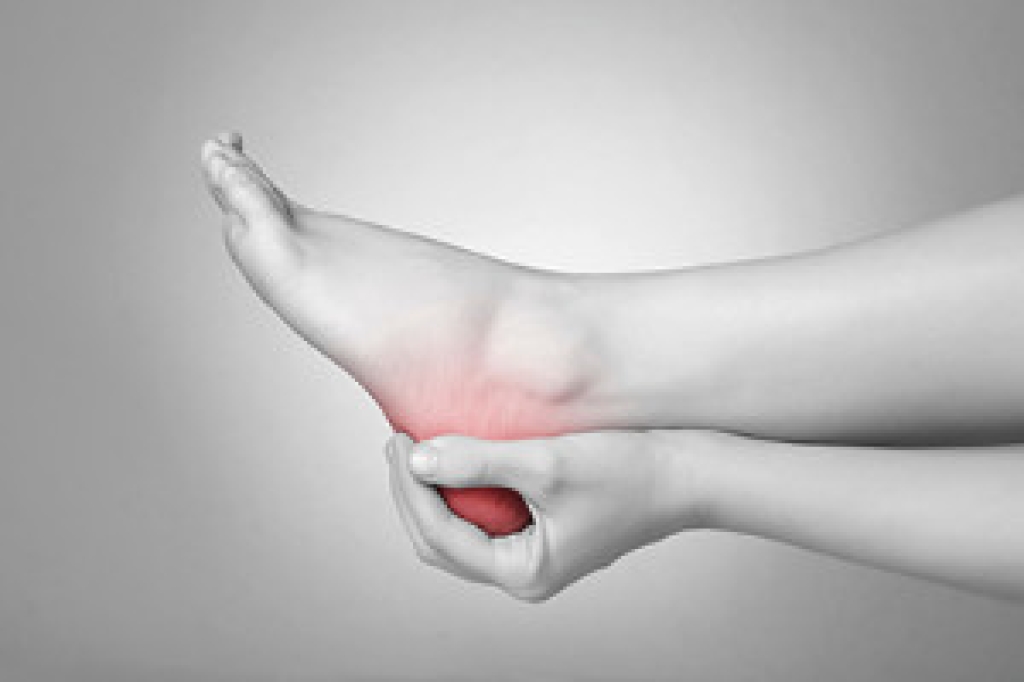 The plantar fascia is a band of fibrous tissue that runs along the bottom of the foot and connects the heel bone to the toes. When the plantar fascia becomes inflamed or partially torn, the injury is known as plantar fasciitis. Plantar fasciitis, which is often a result of overuse, results in heel pain, heel spurs, and pain in the arch of the foot. Pain from plantar fasciitis gradually worsens over time and is usually the worst after resting, especially after waking up in the morning, or sitting for a long period of time. Other times that pain from plantar fasciitis can persist include after exercise, when stretching the foot, or while pressing the sides of the foot. If you believe that you may have plantar fasciitis, it would be wise to consult with a podiatrist for a proper diagnosis and treatment plan.
Plantar fasciitis can be very painful and inconvenient. If you are experiencing heel pain or symptoms of plantar fasciitis, contact James Torhorst, DPM from Torhorst Foot and Ankle. Our doctor can provide the care you need to keep you pain-free and on your feet.
What Is Plantar Fasciitis?
Plantar fasciitis is the inflammation of the thick band of tissue that runs along the bottom of your foot, known as the plantar fascia, and causes mild to severe heel pain.
What Causes Plantar Fasciitis?
How Can It Be Treated?
While very treatable, plantar fasciitis is definitely not something that should be ignored. Especially in severe cases, speaking to your doctor right away is highly recommended to avoid complications and severe heel pain. Your podiatrist can work with you to provide the appropriate treatment options tailored to your condition.
If you have any questions, please feel free to contact our offices located in Waupaca and Stevens Point, WI . We offer the newest diagnostic and treatment technologies for all your foot care needs.
 If you are wearing shoes that don’t fit correctly, you may not even notice. Wearing shoes that don’t fit correctly can lead to a variety of problems. Common foot-related issues that poorly fitted shoes can cause include plantar fasciitis (inflammation of the tendon that runs along the bottom of the foot), bunions (deformity of the big toe joint), blisters, corns, calluses and inflammation of the ball of the foot. Ways to ensure that your shoes fit correctly include making sure there is about a centimeter and a half between your toe and the edge of the shoe, checking that the ball of your foot is at the widest part of the shoe, and having your feet are measured by a professional. Anyone experiencing foot pain while wearing shoes may wish to consult with a podiatrist to be sure their shoes fit properly.
Finding a properly-fitting shoe is important in reducing injuries and preventing foot problems. For more information about treatment, contact James Torhorst, DPM from Torhorst Foot and Ankle. Our doctor will treat your foot and ankle needs.
Proper Shoe Fitting
A common concern when it comes to foot health, having properly fitted shoes can help prevent injuries to the foot. Out feet affect our posture and gait, which in turn affects the biomechanics and overall bodily structure. With 33 joints, 26 bones, and over 100 ligaments, the potential for serious injury is much greater than one realizes. Although the feet cease growth in adulthood, they still change shape as they mature. Here are some factors to consider when it comes to investing in proper fitting shoes:
Keeping in mind how shoes fit the biomechanics of your body, properly-fitting shoes are vitally important. Fortunately, it is not difficult to acquire footwear that fits correctly. Be sure to wear shoes that support the overall structure of your body. Do your feet a favor and invest in several pairs of well-fitted shoes today.
If you have any questions, please feel free to contact our offices located in Waupaca and Stevens Point, WI . We offer the newest diagnostic and treatment technologies for all your foot care needs.
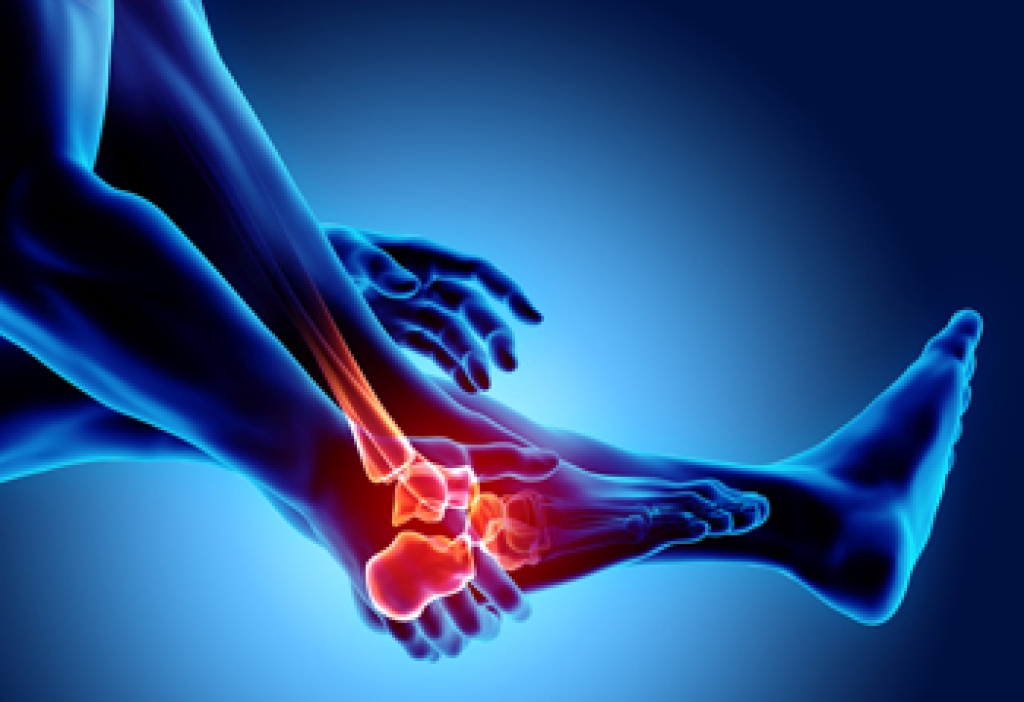
If you suffer from arthritis in your feet and ankles, doing gentle foot exercises regularly can help reduce or prevent symptoms like joint stiffness and pain. You can stretch your calves by placing a book on the floor and standing on it with just the balls of your feet, leaving your heels on the floor. Keep your knees straight and lean forward until you feel a stretch in your calves. Hold the stretch for 15 to 30 seconds. Exercise your ankles by sitting in a chair and lifting your foot slightly off the ground. Trace the letters of the alphabet in the air. Repeat on the other foot. For more helpful foot and ankle stretches, please consult with a podiatrist.
Because RA affects more than just your joints, including the joints in your feet and ankles, it is important to seek early diagnosis from your podiatrist if you feel like the pain in your feet might be caused by RA. For more information, contact James Torhorst, DPM of Torhorst Foot and Ankle. Our doctor will assist you with all of your podiatric concerns.
What Is Rheumatoid Arthritis?
Rheumatoid Arthritis (RA) is an autoimmune disorder in which the body’s own immune system attacks the membranes surrounding the joints. Inflammation of the lining and eventually the destruction of the joint’s cartilage and bone occur, causing severe pain and immobility.
Rheumatoid Arthritis of the Feet
Although RA usually attacks multiple bones and joints throughout the entire body, almost 90 percent of cases result in pain in the foot or ankle area.
Symptoms
Diagnosis
Quick diagnosis of RA in the feet is important so that the podiatrist can treat the area effectively. Your doctor will ask you about your medical history, occupation, and lifestyle to determine the origin of the condition. Rheumatoid Factor tests help to determine if someone is affected by the disease.
If you have any questions, please feel free to contact our offices located in Waupaca and Stevens Point, WI . We offer the newest diagnostic and treatment technologies for all your foot care needs.
Connect With Us
