
Diabetes and Poor Circulation Often Go Hand in Hand

People with diabetes can also suffer from peripheral arterial disease (PAD). This is a disease in which elevated blood glucose levels cause your arteries to narrow. A narrowing of the arteries can restrict the flow of blood to the extremities,  otherwise known as poor circulation. PAD symptoms include numb or cold feet, intermittent claudication (leg pain that goes away when resting), bluish colorization in the skin of the legs, loss of hair on the legs or feet, brittle toenails and more. One of the more serious symptoms of PAD is an impaired ability to heal wounds and sores, which can be potentially dangerous for the diabetic patient. As a diabetic, it is wise to be under the care of a podiatrist. They will be able to determine if you have PAD with a non-invasive test of the blood flow in your feet called a brachial pressure index test, or ABPI test. If you have been diagnosed with PAD, your podiatrist will be able to help manage your symptoms and help prevent complications from arising.

While poor circulation itself isn’t a condition; it is a symptom of another underlying health condition you may have. If you have any concerns with poor circulation in your feet contact James Torhorst, DPM of Torhorst Foot and Ankle. Our doctor will treat your foot and ankle needs.

Poor Circulation in the Feet

Peripheral artery disease (PAD) can potentially lead to poor circulation in the lower extremities. PAD is a condition that causes the blood vessels and arteries to narrow. In a linked condition called atherosclerosis, the arteries stiffen up due to a buildup of plaque in the arteries and blood vessels. These two conditions can cause a decrease in the amount of blood that flows to your extremities, therefore resulting in pain.

Symptoms

Some of the most common symptoms of poor circulation are:

  • Numbness
  • Tingling
  • Throbbing or stinging pain in limbs
  • Pain
  • Muscle Cramps

Treatment for poor circulation often depends on the underlying condition that causes it. Methods for treatment may include insulin for diabetes, special exercise programs, surgery for varicose veins, or compression socks for swollen legs.

As always, see a podiatrist as he or she will assist in finding a regimen that suits you. A podiatrist can also prescribe you any needed medication. 

If you have any questions, please feel free to contact our offices located in Waupaca and Stevens Point, WI . We offer the newest diagnostic and treatment technologies for all your foot care needs.


Read more about Causes Symptoms and Treatment for Poor Circulation in the Feet

Do Your Child's Feet Hurt?

Have your child's feet been examined lately? Healthy feet are happy feet. If your child is complaining of foot pain, it may be a sign of underlying problems.

Getting 'Back in the Game' After an Ankle Sprain

The strong bands of ligaments that bind together and support the ankle bones can become injured when they are stretched beyond their normal constraints during physical activity, or if the ankle is chronically unstable and “turns out.” This injury is known as an ankle sprain. There are several grades of ankle sprains, with the most severe ones involving a partial or full tear of the ligament(s). Symptoms of an ankle sprain include varying degrees of pain, bruising, stiffness, swelling, and soreness. Depending on how bad the sprain is, and whether the ligament has torn, it may be difficult or impossible to walk on the affected foot. Even mild ankle sprains should be assessed and treated by a podiatrist, as improperly healed sprains may lead to future sprains and chronic ankle instability. Contact a podiatrist if you have sustained an ankle injury, or if you have weak ankles due to a prior ankle sprain. They will be able to help your ankle heal properly so you can get “back in the game,” and avoid any future complications.

Ankle sprains are common but need immediate attention. If you need your feet checked, contact James Torhorst, DPM from Torhorst Foot and Ankle. Our doctor can provide the care you need to keep you pain-free and on your feet.

How Does an Ankle Sprain Occur?

Ankle sprains take place when the ligaments in your ankle are torn or stretched beyond their limits. There are multiple ways that the ankle can become injured, including twisting or rolling over onto your ankle, putting undue stress on it, or causing trauma to the ankle itself.

What Are the Symptoms?

  • Mild to moderate bruising
  • Limited mobility
  • Swelling
  • Discoloration of the skin (depending on severity)

Preventing a Sprain

  • Wearing appropriate shoes for the occasion
  • Stretching before exercises and sports
  • Knowing your limits

Treatment of a Sprain

Treatment of a sprain depends on the severity.  Many times, people are told to rest and remain off their feet completely, while others are given an air cast. If the sprain is very severe, surgery may be required.

If you have suffered an ankle sprain previously, you may want to consider additional support such as a brace and regular exercises to strengthen the ankle.

If you have any questions please feel free to contact our offices located in Waupaca and Stevens Point, WI . We offer the newest diagnostic tools and technology to treat your foot and ankle needs.

Read more about Ankle Sprains

Common Causes of Foot Pain

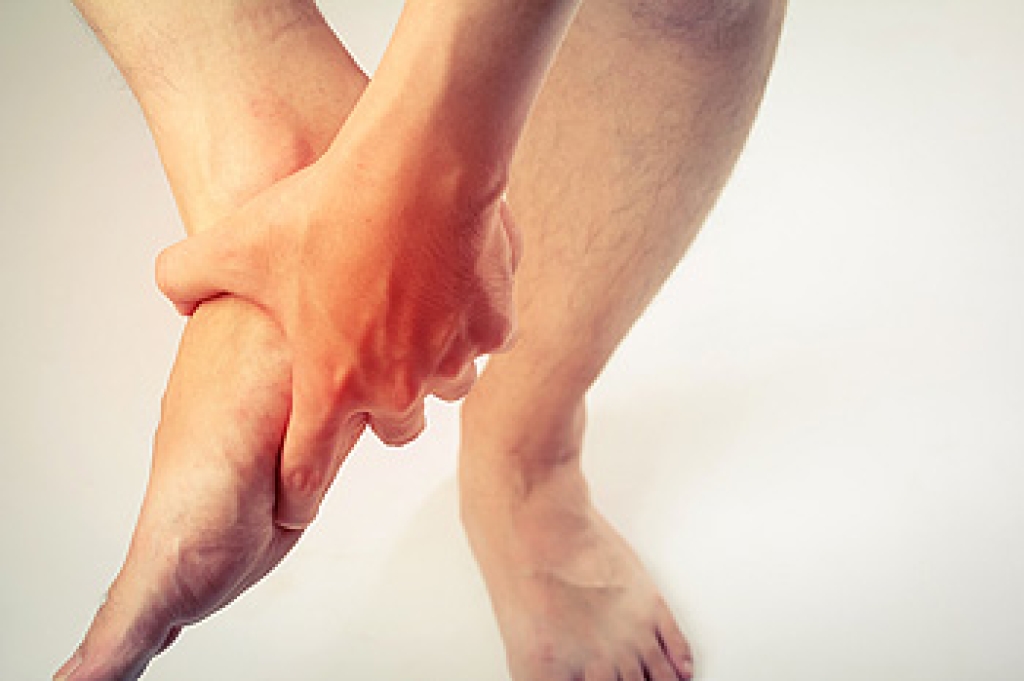
Just about everyone has experienced some kind of foot pain, which can be caused by a number of issues. One sure sign of a foot problem is nerve pain. This includes numbness, tingling, pins and needles, sensitivity to heat or cold, or the inability to detect heat or cold. Another foot complaint is edema, or swelling of the feet, which is the result of a buildup of fluids. The most common causes are injury (ankle sprain), inflammation, medical conditions (gout, high blood pressure), and pregnancy. Burning foot pain is thought to be caused by a nerve problem between the lower back and the foot due to compression, inflammation, or an underlying condition. Other common causes of foot pain are cramps, blisters, rashes, and ingrown toenails. Runners often experience foot and ankle pain, which may be caused by overtraining, previous injury, flat feet, or improper footwear. Sharp pain in or under the big toe may be caused by overuse, hyperextension injuries, tight footwear, or gout. If you are experiencing foot pain that limits your ability to carry out daily activities, please consult a podiatrist for an examination and a diagnosis, so that treatment options can begin.  

Foot Pain

Foot pain can be extremely painful and debilitating. If you have a foot pain, consult with James Torhorst, DPM  from Torhorst Foot and Ankle. Our doctor will assess your condition and provide you with quality foot and ankle treatment.

Causes

Foot pain is a very broad condition that could be caused by one or more ailments. The most common include:

  • Bunions
  • Hammertoes
  • Plantar Fasciitis
  • Bone Spurs
  • Corns
  • Tarsal Tunnel Syndrome
  • Ingrown Toenails
  • Arthritis (such as Gout, Rheumatoid, and Osteoarthritis)
  • Flat Feet
  • Injury (from stress fractures, broken toe, foot, ankle, Achilles tendon ruptures, and sprains)
  • And more

Diagnosis

To figure out the cause of foot pain, podiatrists utilize several different methods. This can range from simple visual inspections and sensation tests to X-rays and MRI scans. Prior medical history, family medical history, and any recent physical traumatic events will all be taken into consideration for a proper diagnosis.

Treatment

Treatment depends upon the cause of the foot pain. Whether it is resting, staying off the foot, or having surgery; podiatrists have a number of treatment options available for foot pain.

If you have any questions, please feel free to contact our offices located in Waupaca and Stevens Point, WI . We offer the newest diagnostic and treatment technologies for all your foot care needs.
Read more about Foot Pain

Flat Feet or Fallen Arches

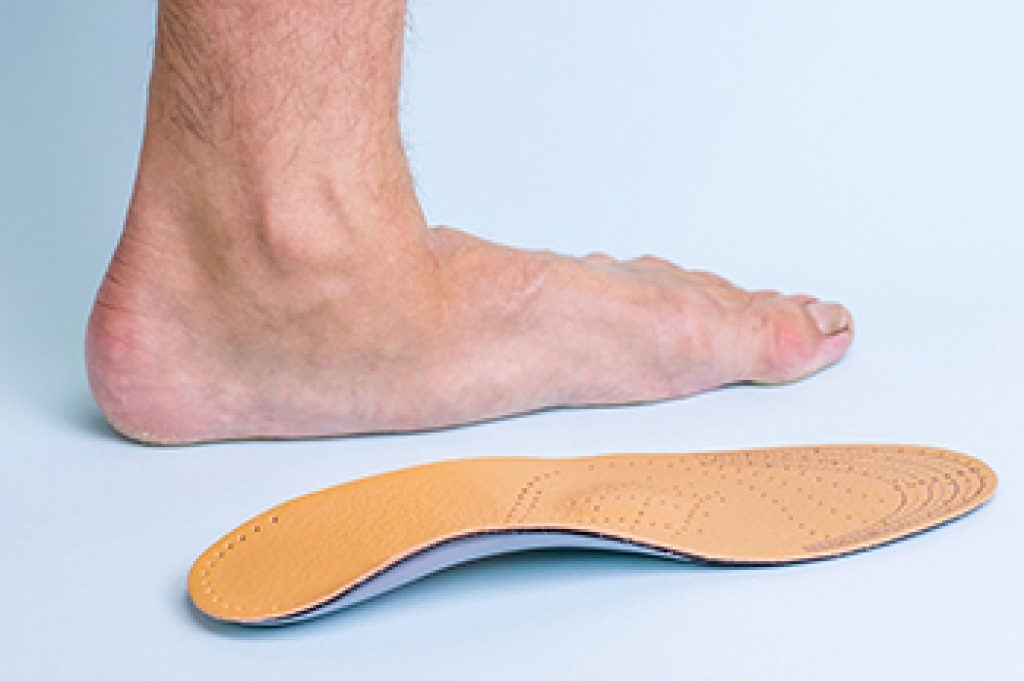
Pes Planus is the technical term for flat feet or fallen arches. This condition is evident when the foot appears entirely flattened to the floor with little or no arch. There are usually no direct symptoms of flat feet. However, there are associated symptoms, such as shin, calf, knee, or back pain. Babies are born with flat feet, partially because of an increase of fat in this area and also because the arch is not yet fully developed. This is less common in teens and older people, and it may cause problems. When one develops flat feet later in life, it is typically a result of an injury or prolonged stress on the foot. However, flat feet can be caused by genetic disorders, obesity, rapid leg growth, or over-exercising. If a flat foot is not causing any pain, no immediate treatment is necessary. However, those who are on their feet frequently should wear supportive shoes with arch support insoles. If pain is present with flat feet, orthotic shoe inserts are usually helpful. When a flat foot is severely rigid, surgery may be helpful, but as a last resort. If you have flat feet and they are causing you discomfort, see a podiatrist who can properly diagnose the condition and provide appropriate treatment.

Flatfoot is a condition many people suffer from. If you have flat feet, contact James Torhorst, DPM from Torhorst Foot and Ankle. Our doctor will treat your foot and ankle needs.

What Are Flat Feet?

Flatfoot is a condition in which the arch of the foot is depressed and the sole of the foot is almost completely in contact with the ground. About 20-30% of the population generally has flat feet because their arches never formed during growth.

Conditions & Problems:

Having flat feet makes it difficult to run or walk because of the stress placed on the ankles.

Alignment – The general alignment of your legs can be disrupted, because the ankles move inward which can cause major discomfort.

Knees – If you have complications with your knees, flat feet can be a contributor to arthritis in that area.  

Symptoms

  • Pain around the heel or arch area
  • Trouble standing on the tip toe
  • Swelling around the inside of the ankle
  • Flat look to one or both feet
  • Having your shoes feel uneven when worn

Treatment

If you are experiencing pain and stress on the foot you may weaken the posterior tibial tendon, which runs around the inside of the ankle. 

If you have any questions, please feel free to contact our offices located in Waupaca and Stevens Point, WI . We offer the newest diagnostic and treatment technologies for all your foot care needs.
Read more about Flatfoot

Connect With Us