
Diseases That Lead to Poor Circulation in the Feet

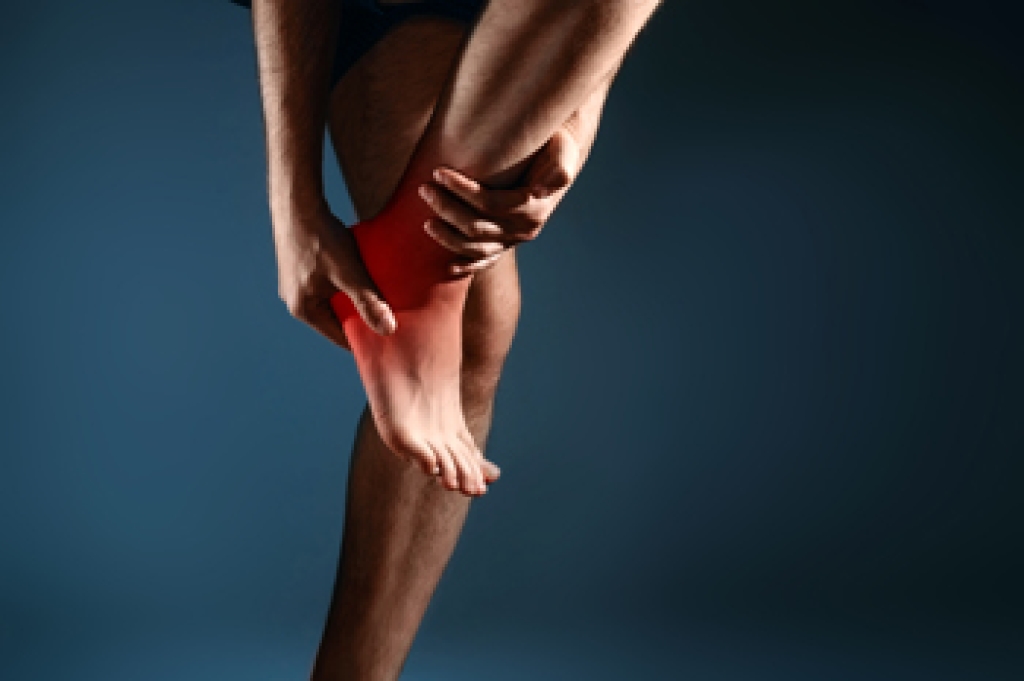
Poor circulation refers to inadequate or limited blood flow. The lower limbs, and particularly the feet, are often affected. There are various medical conditions that can cause poor foot circulation. These include Raynaud’s disease, acrocyanosis, diabetes, arteriosclerosis, and peripheral artery disease. People who have a sedentary lifestyle, smoke, or have high cholesterol or high blood pressure are at an increased risk of developing poor lower limb circulation as well. If you have symptoms of poor circulation, such as coldness, numbness, discoloration, dry or cracked skin, hair loss, weak toenails, and poor wound healing on your feet, it is strongly suggested that you seek the care of a podiatrist. 

Poor circulation is a serious condition and needs immediate medical attention. If you have any concerns with poor circulation in your feet contact James Torhorst, DPM of Torhorst Foot and Ankle. Our doctor will treat your foot and ankle needs.

Poor Circulation in the Feet

Poor blood circulation in the feet and legs is can be caused by peripheral artery disease (PAD), which is the result of a buildup of plaque in the arteries.

Plaque buildup or atherosclerosis results from excess calcium and cholesterol in the bloodstream. This can restrict the amount of blood which can flow through the arteries. Poor blood circulation in the feet and legs are sometimes caused by inflammation in the blood vessels, known as vasculitis.

Causes

Lack of oxygen and oxygen from poor blood circulation restricts muscle growth and development. It can also cause:

  • Muscle pain, stiffness, or weakness 
  • Numbness or cramping in the legs
  • Skin discoloration
  • Slower nail & hair growth
  • Erectile dysfunction

Those who have diabetes or smoke are at greatest risk for poor circulation, as are those who are over 50. If you have poor circulation in the feet and legs it may be caused by PAD and is important to make changes to your lifestyle in order to reduce risk of getting a heart attack or stroke. Exercise and maintaining a healthy lifestyle will dramatically improve conditions.

As always, see a podiatrist as he or she will assist in finding a regimen that suits you. A podiatrist can also prescribe you any needed medication. 

If you have any questions, please feel free to contact our offices located in Waupaca and Stevens Point, WI . We offer the newest diagnostic and treatment technologies for all your foot care needs.
Read more about Causes, Symptoms, and Treatment of Poor Blood Circulation in the Feet

Painful Feet May Indicate Erythromelalgia

If your feet are swollen, red, and extremely painful, you may have a condition known as Erythromelalgia. These symptoms may begin in childhood or wait until later in life, but they are progressive and can eventually extend from the foot to the entire leg. Episodes may be caused by a variety of factors, including drinking alcohol, eating spicy foods, and wearing warm socks or tight shoes. Pain can become so great that it affects the ability to stand or walk, sometimes preventing a person from going to school or work. If you experience symptoms of Erythromelalgia, it is suggested that you consult a podiatrist to find out more. 

When dealing with systemic disease of the feet, it is extremely important to check the affected areas routinely so that any additional problems are caught quickly.  If you have any concerns about your feet and ankles contact James Torhorst, DPM from Torhorst Foot and Ankle. Our doctor will assist you with all of your podiatric needs.

Systemic Diseases of the Feet

Systemic diseases affect the whole body, and symptoms usually are displayed in the feet. This condition can make a patient’s ability to walk unbearable.  Systemic diseases include gout, diabetes mellitus, neurological disorders, and arthritis.

Gout – is caused by an excess of uric acid in the body. Common symptoms include pain, inflammation, and redness at the metatarsal/phalangeal joint of the base big toe. Gout can be treated by NSAIDs to relieve pain and inflammation, and other drugs that lower the acid levels in the body.

Diabetes mellitus – is an increase in the level of blood sugar that the body cannot counteract with its own insulin. Failure to produce enough insulin is a factor in Diabetes.

Diabetes of the Feet

Diabetic Neuropathy – may lead to damaged nerves and affect the feet through numbness and loss of sensation.

Peripheral Vascular Disease – can restrict the blood flow to the feet, and often times lead to amputation of the feet. 

If you have any questions please contact our offices located in Waupaca and Stevens Point, WI . We offer the newest diagnostic and treatment technologies for all your foot and ankle needs.

Read more about Systemic Diseases of the Foot

How Severe Is My Achilles Tendon Injury?

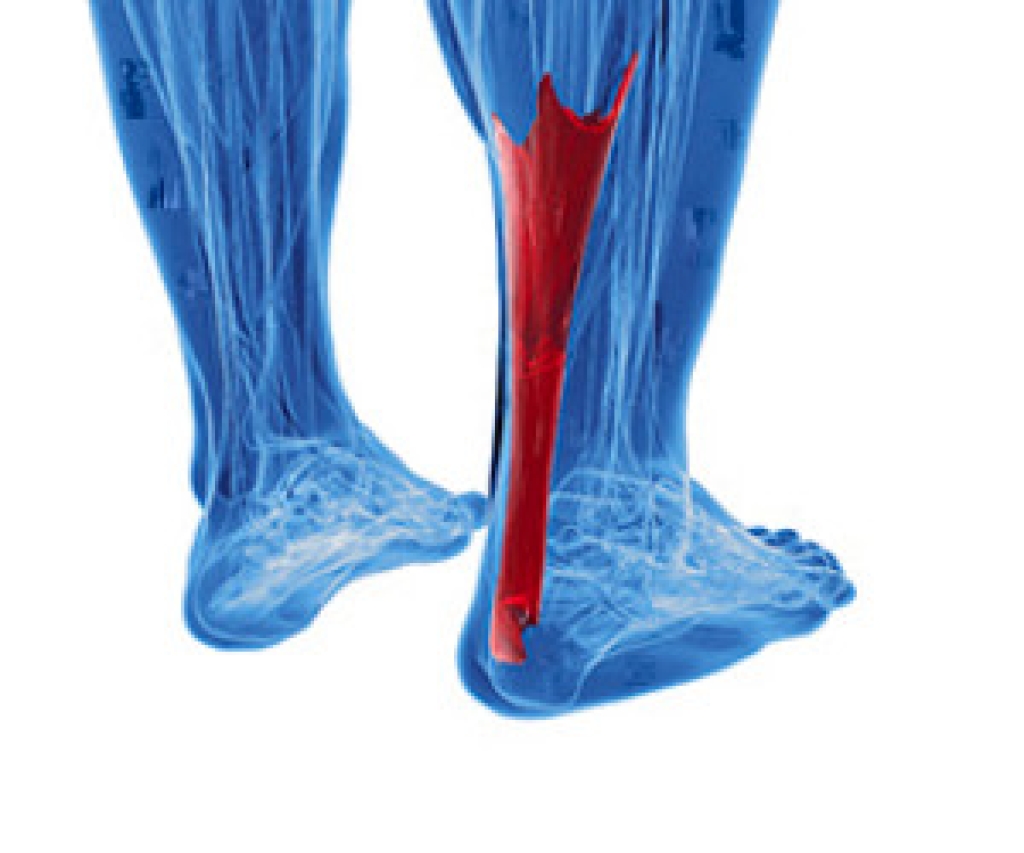
The Achilles tendon is a strong band of fibrous tissue that runs along the back of your lower legs, connecting the calf muscles to the heel bone. When this tendon is injured, typically as a result of overuse, wearing the wrong shoes, or having another foot problem, it can become inflamed. A mild Achilles tendon injury is characterized by pain during or shortly after physical activity. A moderate injury may cause swelling in the tendon, and a hard lump called a nodule may form. A severe injury is characterized by pain while bearing weight. In some cases, the tendon can rupture, which is said to feel like a hard whack on the heel. If you have symptoms of an Achilles tendon injury, it is strongly suggested that you seek the care of a podiatrist. 

Achilles tendon injuries need immediate attention to avoid future complications. If you have any concerns, contact James Torhorst, DPM of Torhorst Foot and Ankle. Our doctor can provide the care you need to keep you pain-free and on your feet.

What Is the Achilles Tendon?

The Achilles tendon is a tendon that connects the lower leg muscles and calf to the heel of the foot. It is the strongest tendon in the human body and is essential for making movement possible. Because this tendon is such an integral part of the body, any injuries to it can create immense difficulties and should immediately be presented to a doctor.

What Are the Symptoms of an Achilles Tendon Injury?

There are various types of injuries that can affect the Achilles tendon. The two most common injuries are Achilles tendinitis and ruptures of the tendon.

Achilles Tendinitis Symptoms

  • Inflammation
  • Dull to severe pain
  • Increased blood flow to the tendon
  • Thickening of the tendon

Rupture Symptoms

  • Extreme pain and swelling in the foot
  • Total immobility

Treatment and Prevention

Achilles tendon injuries are diagnosed by a thorough physical evaluation, which can include an MRI. Treatment involves rest, physical therapy, and in some cases, surgery. However, various preventative measures can be taken to avoid these injuries, such as:

  • Thorough stretching of the tendon before and after exercise
  • Strengthening exercises like calf raises, squats, leg curls, leg extensions, leg raises, lunges, and leg presses

If you have any questions please feel free to contact our offices located in Waupaca and Stevens Point, WI . We offer the newest diagnostic tools and technology to treat your foot and ankle needs.

Read more about What are Achilles Tendon Injuries

Getting to the Bottom of Cracked Heels

When you have dry, thickened, callused skin around the edges of your heels, they can crack due to the fat pad under your heels expanding while you walk. There are several factors that can cause dry, cracked heels or exacerbate the problem. These include standing for prolonged periods of time, wearing shoes with open backs or walking around barefoot, taking long, hot showers, using harsh soaps, and living in a cold or dry climate. Certain medical conditions, such as a fungal infection, psoriasis, or a vitamin deficiency, can also cause cracked heels. While cracked heels are typically not painful, those who have particularly deep cracks may experience pain and bleeding, and people with underlying health conditions, like diabetes, should always be monitoring the health of their heels. To learn more about cracked heels and to help find the right treatment for yours, please consult with a podiatrist. 

Cracked heels are unsightly and can cause further damage to your shoes and feet. If you have any concerns, contact James Torhorst, DPM from Torhorst Foot and Ankle. Our doctor can provide the care you need to keep you pain-free and on your feet.

Cracked Heels

Cracked heels appear unappealing and can make it harder for you walk around in sandals. Aside from looking unpleasant, cracked heels can also tear stockings, socks, and wear out your shoes. There are several methods to help restore a cracked heel and prevent further damage.

How Do You Get Them?

Dry skin is the number one culprit in creating cracked heels. Many athletes, walkers, joggers, and even swimmers suffer from cracked heels. Age and skin oil production play a role to getting cracked heels as well.

Promote Healing

Over the counter medicines can help, especially for those that need instant relief or who suffer from chronic dry feet.

Wear Socks – Wearing socks with medicated creams helps lock in moisture.

Moisturizers – Applying both day and night will help alleviate dryness which causes cracking.

Pumice Stones – These exfoliate and remove dead skin, which allows for smoother moisturizer application and better absorption into the skin. 

Change in Diet

Eating healthy with a well-balanced diet will give the skin a fresh and radiant look. Your body responds to the kinds of food you ingest. Omega-3 fatty acids and zinc supplements can also revitalize skin tissue.

Most importantly, seek professional help if unsure how to proceed in treating cracked heels. A podiatrist will help you with any questions or information needed. 

If you have any questions, please feel free to contact our offices located in Waupaca and Stevens Point, WI . We offer the newest diagnostic and treatment technologies for all your foot care needs.

Read more about Solutions for Cracked Heels

What Is Diabetic Peripheral Neuropathy?

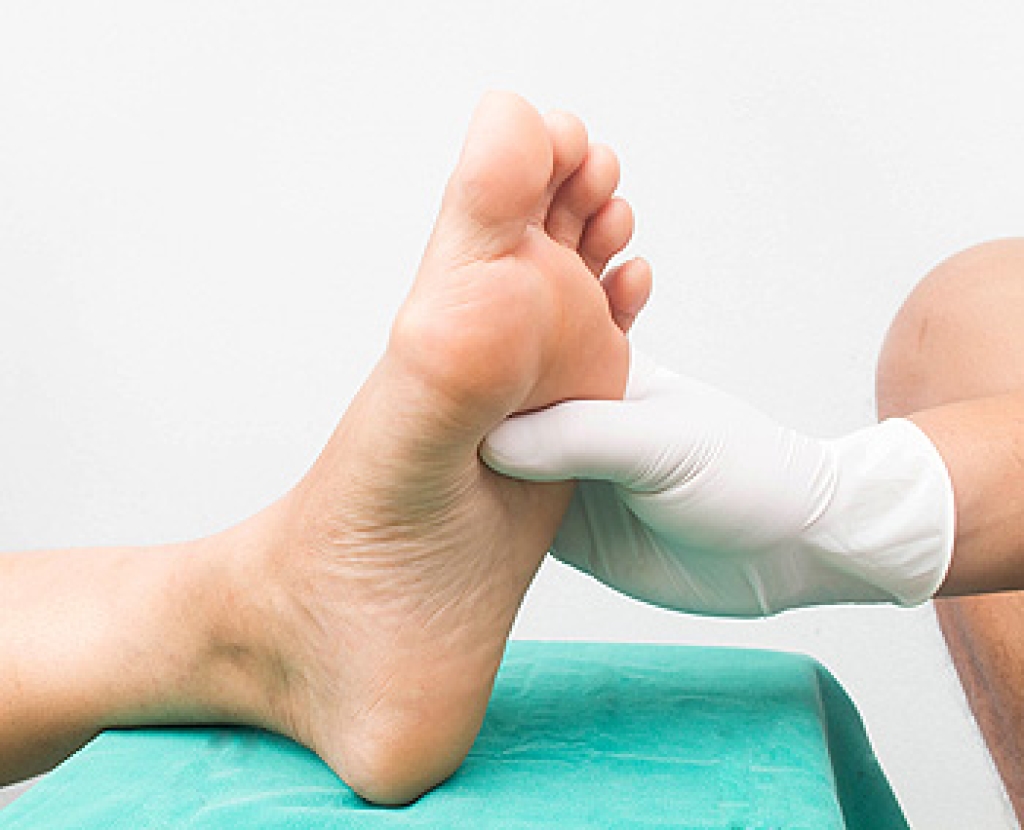
People with diabetes are at an increased risk of neuropathy, or nerve damage. Diabetics are frequently diagnosed with peripheral neuropathy, or nerve damage in the hands and feet. Symptoms of peripheral neuropathy in the lower limbs include tingling, pins and needles, numbness, pain, or increased sensitivity in the feet. In some cases, the feet may change shape due to nerve damage. Sores and diabetic foot ulcers, which can be difficult to detect and tend to heal slowly and poorly, are also very common. If you have diabetes, it is important to be vigilant of any foot or ankle symptoms. Seeing a podiatrist regularly can help manage existing symptoms, detect and treat any new problems, and maintain the health of your feet. 

Neuropathy

Neuropathy can be a potentially serious condition, especially if it is left undiagnosed. If you have any concerns that you may be experiencing nerve loss in your feet, consult with James Torhorst, DPM  from Torhorst Foot and Ankle. Our doctor will assess your condition and provide you with quality foot and ankle treatment for neuropathy.

What Is Neuropathy?

Neuropathy is a condition that leads to damage to the nerves in the body. Peripheral neuropathy, or neuropathy that affects your peripheral nervous system, usually occurs in the feet. Neuropathy can be triggered by a number of different causes. Such causes include diabetes, infections, cancers, disorders, and toxic substances.

Symptoms of Neuropathy Include:

  • Numbness
  • Sensation loss
  • Prickling and tingling sensations
  • Throbbing, freezing, burning pains
  • Muscle weakness

Those with diabetes are at serious risk due to being unable to feel an ulcer on their feet. Diabetics usually also suffer from poor blood circulation. This can lead to the wound not healing, infections occurring, and the limb may have to be amputated.

Treatment

To treat neuropathy in the foot, podiatrists will first diagnose the cause of the neuropathy. Figuring out the underlying cause of the neuropathy will allow the podiatrist to prescribe the best treatment, whether it be caused by diabetes, toxic substance exposure, infection, etc. If the nerve has not died, then it’s possible that sensation may be able to return to the foot.

Pain medication may be issued for pain. Electrical nerve stimulation can be used to stimulate nerves. If the neuropathy is caused from pressure on the nerves, then surgery may be necessary.

If you have any questions, please feel free to contact our offices located in Waupaca and Stevens Point, WI . We offer the newest diagnostic and treatment technologies for all your foot care needs.
Read more about Neuropathy

Connect With Us