Injuries That Cause Foot Pain in Runners

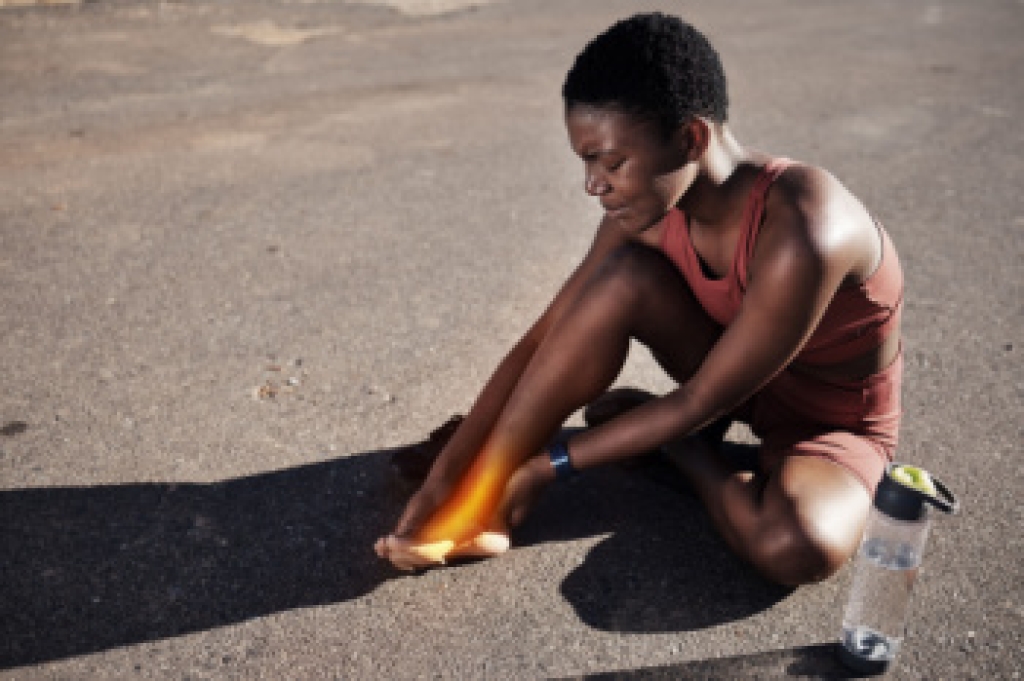
The feet are made up of a variety of bones, tendons and ligaments, and running can put stress on any them.  While runners can experience different minor issues with the feet, there are many issues that can lead to severe pain and sideline a runner.  One common cause of foot pain in runners is plantar fasciitis. This occurs when the plantar fascia ligament that runs along the bottom of the foot becomes inflamed, leading to heel pain.  Stress fractures, which are hairline fractures in the bones of the feet, are also common among runners.  Runners should also be aware of extensor tendonitis, which results in the inflammation of the tendons that help with the movement of the toes.  A tight abductor or adductor hallucis, both muscles that help with movement of the feet, can lead to debilitating pain as well.  If you are a runner and you notice severe pain in your feet, it is suggested that you make an appointment podiatrist for a diagnosis and treatment.

Ankle and foot injuries are common among athletes and in many sports. They can be caused by several problems and may be potentially serious. If you are feeling pain or think you were injured in a sporting event or when exercising, consult with James Torhorst, DPM from Torhorst Foot and Ankle. Our doctor will assess your condition and provide you with quality foot and ankle treatment.

Common Injuries

The most common injuries that occur in sporting activities include:

  • Achilles Tendonitis
  • Achilles Tendon Rupture
  • Ankle Sprains
  • Broken Foot
  • Plantar Fasciitis
  • Stress Fractures
  • Turf Toe

Symptoms

Symptoms vary depending upon the injury and in some cases, there may be no symptoms at all. However, in most cases, some form of symptom is experienced. Pain, aching, burning, bruising, tenderness, tightness or stiffness, sensation loss, difficulty moving, and swelling are the most common symptoms.

Treatment

Just as symptoms vary depending upon the injury, so do treatment options. A common treatment method is known as the RICE method. This method involves rest, applying ice, compression and elevating the afflicted foot or ankle. If the injury appears to be more serious, surgery might be required, such as arthroscopic or reconstructive surgery. Lastly, rehabilitation or therapy might be needed to gain full functionality in the afflicted area. Any discomfort experienced by an athlete must be evaluated by a licensed, reputable medical professional.  

If you have any questions please contact our offices located in Waupaca and Stevens Point, WI . We offer the newest diagnostic and treatment technologies for all your foot and ankle needs.

Read more about Sports Related Foot and Ankle Injuries

Signs and Treatment of a Broken Heel Bone

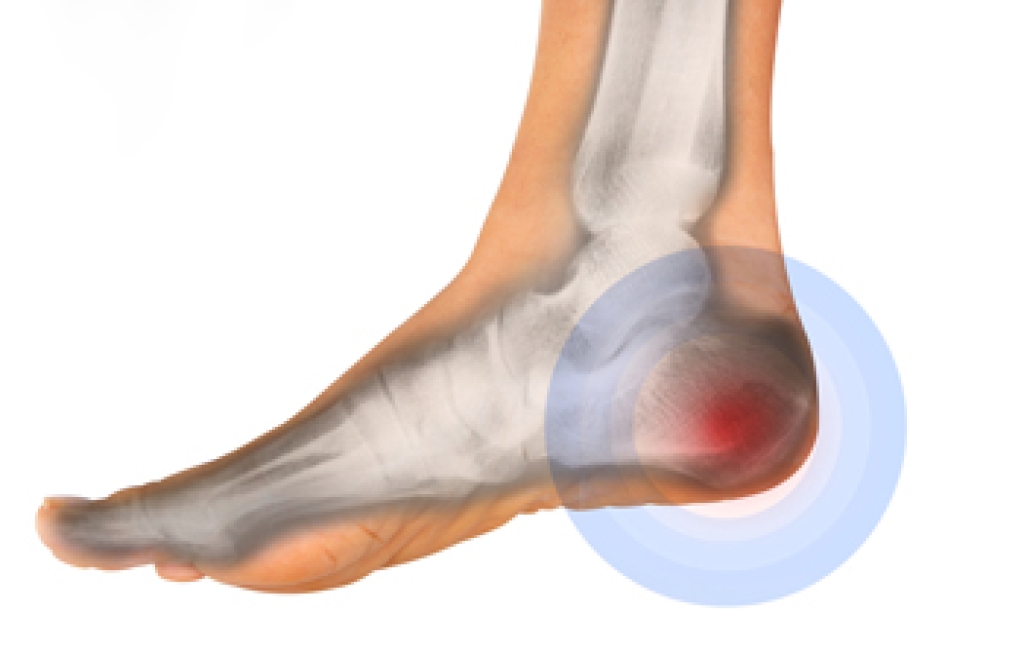
Signs of a broken heel bone often develop quickly after an injury and can make walking very difficult. The heel bone, known medically as the calcaneus, supports the back of the foot and works to help the foot roll inward and outward during movement. A break in the heel bone often causes sudden swelling, severe heel pain, and bruising that spreads through the back of the foot. Many people cannot put weight on the injured foot at all. The pain usually worsens when trying to stand, walk, or even move the ankle. In some heel bone fractures, the skin stays intact, but when the skin is broken, surgery is needed right away to reduce the risk of serious complications. A podiatrist can evaluate the injury, order imaging, and guide proper treatment to help protect long-term foot function. If you believe you have broken your heel bone, it is suggested that you make an immediate appointment with a podiatrist for a diagnosis and treatment.

A broken foot requires immediate medical attention and treatment. If you need your feet checked, contact James Torhorst, DPM from Torhorst Foot and Ankle. Our doctor can provide the care you need to keep you pain-free and on your feet.

Broken Foot Causes, Symptoms, and Treatment

A broken foot is caused by one of the bones in the foot typically breaking when bended, crushed, or stretched beyond its natural capabilities. Usually the location of the fracture indicates how the break occurred, whether it was through an object, fall, or any other type of injury. 

Common Symptoms of Broken Feet:

  • Bruising
  • Pain
  • Redness
  • Swelling
  • Blue in color
  • Numbness
  • Cold
  • Misshapen
  • Cuts
  • Deformities

Those that suspect they have a broken foot shoot seek urgent medical attention where a medical professional could diagnose the severity.

Treatment for broken bones varies depending on the cause, severity and location. Some will require the use of splints, casts or crutches while others could even involve surgery to repair the broken bones. Personal care includes the use of ice and keeping the foot stabilized and elevated.

If you have any questions, please feel free to contact our offices located in Waupaca and Stevens Point, WI . We offer the newest diagnostic and treatment technologies for all your foot care needs.

Read more about Causes, Symptoms, and Treatment for a Broken Foot

Reminder: When Was the Last Time...?

Custom orthotics, or shoe inserts, should be periodically replaced. Orthotics must fit properly to give you the best results. Protect your feet and ankles!

Simple Footcare Habits That Make a Big Difference

Regular foot care helps keep you moving comfortably and prevents small issues from becoming painful problems. Clean your feet daily with warm water, then dry them well, especially between the toes, where moisture can linger. A gentle moisturizer keeps the skin soft, but avoid applying it between the toes to prevent irritation. Keeping toenails trimmed straight across helps reduce the chance of ingrown nails. Choosing shoes that fit well and offer good support protects your arches and reduces pressure points during daily activities. Inspecting your feet regularly allows you to notice changes early. Look for redness, swelling, thickened nails, or areas that feel tender. These small checks are especially important if you have diabetes or circulation concerns. When something feels off, early guidance can prevent long-term complications. If you notice persistent foot pain, skin changes, or have difficulty walking, it is suggested that you see a podiatrist for an evaluation and appropriate treatment.

Everyday foot care is very important to prevent infection and other foot ailments. If you need your feet checked, contact James Torhorst, DPM from Torhorst Foot and Ankle. Our doctor can provide the care you need to keep you pain-free and on your feet.

Everyday Foot Care

Often, people take care of their bodies, face and hair more so than they do for their feet. But the feet are a very important aspect of our bodies, and one that we should pay more attention to. Without our feet, we would not be able to perform most daily tasks.

It is best to check your feet regularly to make sure there are no new bruises or cuts that you may not have noticed before. For dry feet, moisturizer can easily be a remedy and can be applied as often as necessary to the affected areas. Wearing shoes that fit well can also help you maintain good foot health, as well as making it easier to walk and do daily activities without the stress or pain of ill-fitting shoes, high heels, or even flip flops. Wearing clean socks with closed shoes is important to ensure that sweat and bacteria do not accumulate within the shoe. Clean socks help to prevent Athlete’s foot, fungi problems, bad odors, and can absorb sweat.

If you have any questions, please feel free to contact our offices located in Waupaca and Stevens Point, WI . We offer the newest diagnostic and treatment technologies for all your foot care needs.

Read more about Everyday Foot Care

Understanding Different Types of Foot Pain

Foot pain can arise from many causes, and its location often reveals the problem. Pain in the heel may signal plantar fasciitis or a heel spur, while pain in the ball of the foot may result from metatarsalgia or a neuroma. Aching arches can stem from flat feet or overuse, and pain along the outer edge might indicate a stress fracture or tendon irritation. Toe pain can develop from bunions, hammertoes, or ingrown nails. Each type of pain may feel sharp, burning, throbbing, or dull, depending on the underlying condition. Wearing improper shoes, standing for long hours, or overtraining can make symptoms worse. If you are experiencing ongoing or severe foot pain that affects your mobility, it is suggested that you see a podiatrist for an accurate diagnosis, and a treatment plan tailored to your needs.

Foot Pain

Foot pain can be extremely painful and debilitating. If you have a foot pain, consult with James Torhorst, DPM  from Torhorst Foot and Ankle. Our doctor will assess your condition and provide you with quality foot and ankle treatment.

Causes

Foot pain is a very broad condition that could be caused by one or more ailments. The most common include:

  • Bunions
  • Hammertoes
  • Plantar Fasciitis
  • Bone Spurs
  • Corns
  • Tarsal Tunnel Syndrome
  • Ingrown Toenails
  • Arthritis (such as Gout, Rheumatoid, and Osteoarthritis)
  • Flat Feet
  • Injury (from stress fractures, broken toe, foot, ankle, Achilles tendon ruptures, and sprains)
  • And more

Diagnosis

To figure out the cause of foot pain, podiatrists utilize several different methods. This can range from simple visual inspections and sensation tests to X-rays and MRI scans. Prior medical history, family medical history, and any recent physical traumatic events will all be taken into consideration for a proper diagnosis.

Treatment

Treatment depends upon the cause of the foot pain. Whether it is resting, staying off the foot, or having surgery; podiatrists have a number of treatment options available for foot pain.

If you have any questions, please feel free to contact our offices located in Waupaca and Stevens Point, WI . We offer the newest diagnostic and treatment technologies for all your foot care needs.

Read more about Foot Pain

Connect With Us