Is Clubfoot Considered Curable?

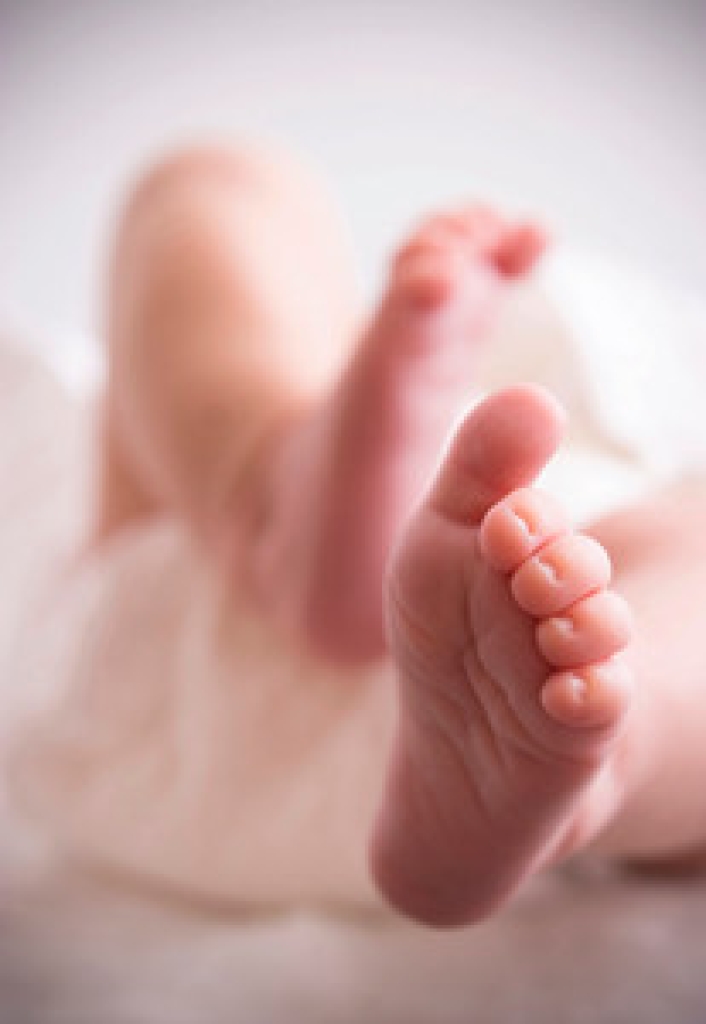
Clubfoot is a congenital disorder in which a child’s foot (or feet) twist down and inward, due to tight Achilles tendons and calf muscles. This condition is said to affect nearly 200,000 newborns annually. Although there is no known cause, research points to infants being more predisposed to clubfoot if a family member or parent was previously affected. Clubfoot is considered by many to be curable if diagnosed early enough and treated properly. There are various techniques to reposition the child’s feet including casting, taping, bracing, or surgery in advanced cases. If you believe your child may have clubfoot, contact a podiatrist for a thorough examination and to discuss treatment options.

Making sure that your children maintain good foot health is very important as they grow. If you have any questions, contact James Torhorst, DPM of Torhorst Foot and Ankle. Our doctor can provide the care you need to keep you pain-free and on your feet.

Keeping Children's Feet Healthy

Having healthy feet during childhood can help prevent medical problems later in life, namely in the back and legs. As children grow, their feet require different types of care. Here are some things to consider...

Although babies do not walk yet, it is still very important to take care of their feet.

Avoid putting tight shoes or socks on his or her feet.

Allow the baby to stretch and kick his or her feet to feel comfortable.

As a toddler, kids are now on the move and begin to develop differently. At this age, toddlers are getting a feel for walking, so don’t be alarmed if your toddler is unsteady or ‘walks funny’. 

As your child gets older, it is important to teach them how to take care of their feet.

Show them proper hygiene to prevent infections such as fungus.

Be watchful for any pain or injury.

Have all injuries checked by a doctor as soon as possible.

Comfortable, protective shoes should always be worn, especially at play.

If you have any questions, please feel free to contact our offices located in Waupaca and Stevens Point, WI . We offer the newest diagnostic and treatment technologies for all your foot care needs.
Read more about What to Do to Keep Your Child’s Feet Healthy

How Do Podiatrists Treat Plantar Hyperhidrosis?

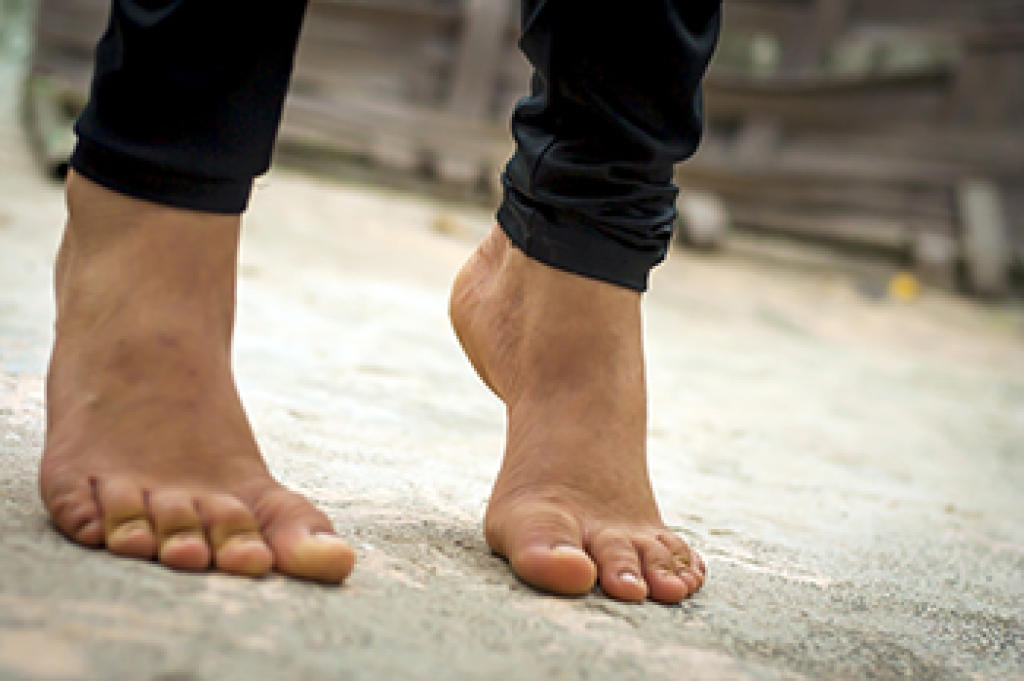
Plantar hyperhidrosis is a condition that causes the feet to sweat excessively. Having wet, sweaty feet most of the time is not only annoying, but can ruin your shoes, increase your risk of slipping and falling, and break down the skin on the feet, leading to athlete’s foot and other skin infections. The first line of treatment for this condition is usually topical medications, which are applied directly to the skin’s surface. Your podiatrist may prescribe an antiperspirant cream or powder. If these fail, your doctor may suggest iontophoresis, a procedure that uses electrical currents to reduce sweating. Botox injections into the feet are another potential solution. To learn more about treatments for plantar hyperhidrosis, please consult with a podiatrist. 

If you are suffering from hyperhidrosis contact James Torhorst, DPM of Torhorst Foot and Ankle. Our doctor can provide the care you need to attend to all of your foot and ankle needs.

Hyperhidrosis of the Feet

Hyperhidrosis is a rare disorder that can cause people to have excessive sweating of their feet. This can usually occur all on its own without rigorous activity involved. People who suffer from hyperhidrosis may also experience sweaty palms.

Although it is said that sweating is a healthy process meant to cool down the body temperature and to maintain a proper internal temperature, hyperhidrosis may prove to be a huge hindrance on a person’s everyday life.

Plantar hyperhidrosis is considered to be the main form of hyperhidrosis. Secondary hyperhidrosis can refer to sweating that occurs in areas other than the feet or hands and armpits. Often this may be a sign of it being related to another medical condition such as menopause, hyperthyroidism and even Parkinson’s disease.

In order to alleviate this condition, it is important to see your doctor so that they may prescribe the necessary medications so that you can begin to live a normal life again. If this is left untreated, it is said that it will persist throughout an individual’s life.

A last resort approach would be surgery, but it is best to speak with your doctor to find out what may be the best treatment for you.

If you have any questions, please feel free to contact our offices located in Waupaca and Stevens Point, WI . We offer the newest diagnostic and treatment technologies for all your foot care needs.
Read more about Hyperhidrosis of the Feet

Flexible Flatfoot FAQs

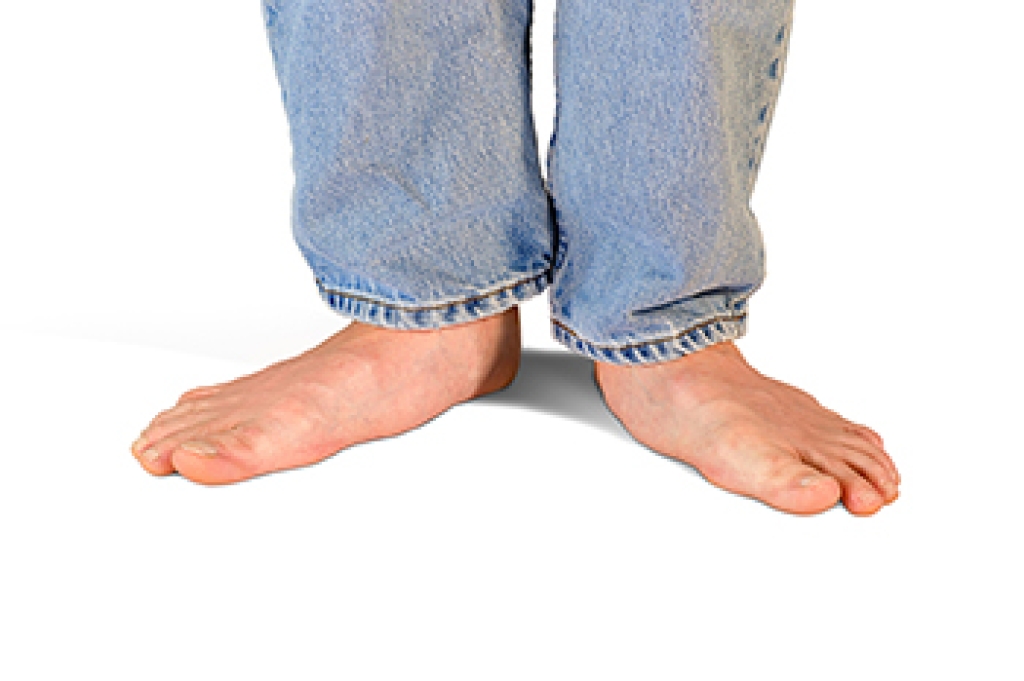
There are two types of flat feet: rigid and flexible, with flexible being the most common. Unlike rigid flatfoot where the arch is never present, the arch in flexible flatfoot is present when the foot is elevated and flattens upon standing. Flexible flatfoot in children is generally not concerning because their arches typically develop between the ages of 7 and 10. It is said that up to 25% of kids will continue to have flexible flatfoot as adults. While flexible flatfoot in children and adults may not always produce symptoms, the condition may cause tired, achy feet after walking, leg cramps, overpronation—where the ankles roll inward while walking—and foot or ankle pain. Flexible flatfoot may be inherited and indicative of loose ligaments and flexible joints throughout the body. If flatfoot develops during adulthood, it could be caused by rheumatoid arthritis or neuropathy. Contact a podiatrist for more information about flat feet and to explore various treatment options.

Flatfoot is a condition many people suffer from. If you have flat feet, contact James Torhorst, DPM from Torhorst Foot and Ankle. Our doctor will treat your foot and ankle needs.

What Are Flat Feet?

Flatfoot is a condition in which the arch of the foot is depressed and the sole of the foot is almost completely in contact with the ground. About 20-30% of the population generally has flat feet because their arches never formed during growth.

Conditions & Problems:

Having flat feet makes it difficult to run or walk because of the stress placed on the ankles.

Alignment – The general alignment of your legs can be disrupted, because the ankles move inward which can cause major discomfort.

Knees – If you have complications with your knees, flat feet can be a contributor to arthritis in that area.  

Symptoms

  • Pain around the heel or arch area
  • Trouble standing on the tip toe
  • Swelling around the inside of the ankle
  • Flat look to one or both feet
  • Having your shoes feel uneven when worn

Treatment

If you are experiencing pain and stress on the foot you may weaken the posterior tibial tendon, which runs around the inside of the ankle. 

If you have any questions, please feel free to contact our offices located in Waupaca and Stevens Point, WI . We offer the newest diagnostic and treatment technologies for all your foot care needs.

Read more about Flat Feet

Is There Relief for Bunions?

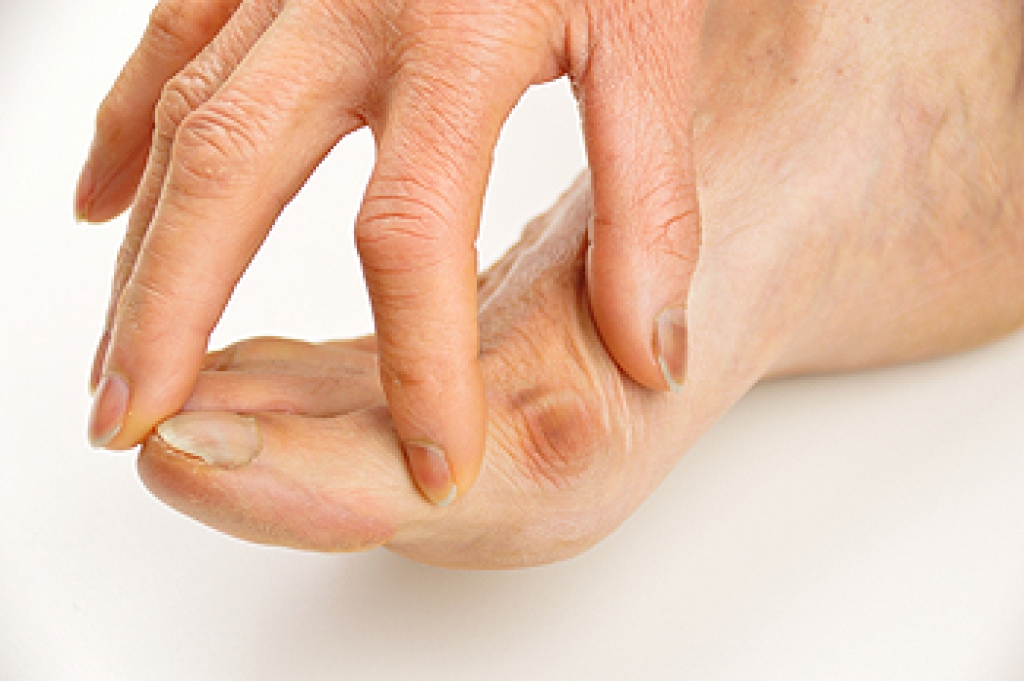
The bottom and side of the big toe is generally the location where a bunion develops. It is considered to be a deformity and can appear for a variety of reasons. These can include genetic factors, and wearing shoes that do not have enough room for the toes to move freely in. Additionally, existing medical conditions such as gout or rheumatoid arthritis may cause a bunion to develop. If the bunion is mild relief may be found when orthotics are worn, or when the bunion is covered with a protective pad. Severe bunions may require surgery to correct them permanently. If you notice signs of a small bump on the side of the big toe, please confer with a podiatrist as quickly as possible. Early treatment can slow down or stop a bunion's progression. 

If you are suffering from bunions, contact James Torhorst, DPM of Torhorst Foot and Ankle. Our doctor can provide the care you need to keep you pain-free and on your feet.

What Is a Bunion?

A bunion is formed of swollen tissue or an enlargement of boney growth, usually located at the base joint of the toe that connects to the foot. The swelling occurs due to the bones in the big toe shifting inward, which impacts the other toes of the foot. This causes the area around the base of the big toe to become inflamed and painful.

Why Do Bunions Form?

Genetics – Susceptibility to bunions are often hereditary

Stress on the feet – Poorly fitted and uncomfortable footwear that places stress on feet, such as heels, can worsen existing bunions

How Are Bunions Diagnosed?

Podiatrists often perform two tests – blood tests and x-rays – when trying to diagnose bunions, especially in the early stages of development. Blood tests help determine if the foot pain is being caused by something else, such as arthritis, while x-rays provide a clear picture of your bone structure to your provider.

How Are Bunions Treated?

  • Refrain from wearing heels or similar shoes that cause discomfort
  • Select wider shoes that can provide more comfort and reduce pain
  • Anti-inflammatory and pain management drugs
  • Orthotics or foot inserts
  • Surgery

If you have any questions, please feel free to contact our offices located in Waupaca and Stevens Point, WI . We offer the newest diagnostic and treatment technologies for all your foot care needs.

Read more about What Are Bunions?

Why Live with Pain and Numbness in Your Feet?

Suffering from this type of pain? You may have the foot condition known as Morton's neuroma. Morton's neuroma may develop as a result of ill-fitting footwear and existing foot deformities. We can help.

Connect With Us