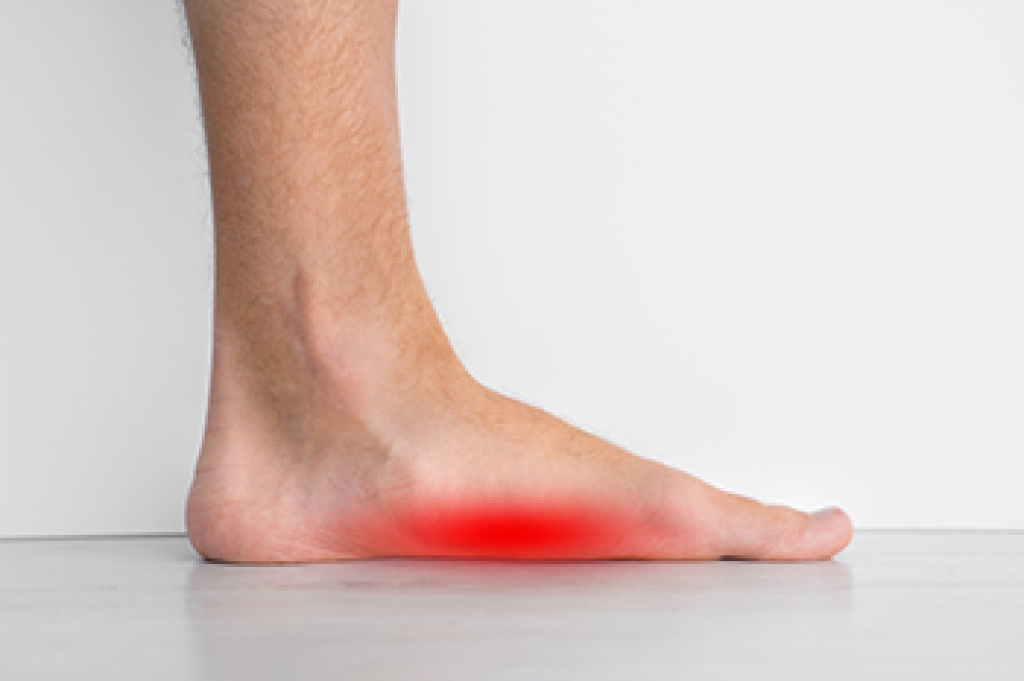
Facts About Having Flat Feet

Flat feet occur when the arch does not lift properly, causing the entire sole to touch the ground and placing extra pressure on the feet and ankles. This can begin in childhood or develop later from tendon problems like a tight Achilles tendon or weakness along the inside of the ankle. People with flat feet may feel aching in the arches, stiffness, or fatigue after long periods of walking or standing. Some notice the ankles leaning inward or calluses forming from added friction. A podiatrist can evaluate the arch, check tendon strength, and determine how the flat feet affect foot movement. Treatment options include orthotics to support the arch, improve alignment, and reduce strain, along with guidance on shoe choices. The podiatrist can also discuss surgery if the bones or tendons need correction. If you have foot problems related to flat feet, it is suggested that you make an appointment with a podiatrist for a diagnosis and treatment.

Flatfoot is a condition many people suffer from. If you have flat feet, contact James Torhorst, DPM from Torhorst Foot and Ankle. Our doctor will treat your foot and ankle needs.

What Are Flat Feet?

Flatfoot is a condition in which the arch of the foot is depressed and the sole of the foot is almost completely in contact with the ground. About 20-30% of the population generally has flat feet because their arches never formed during growth.

Conditions & Problems:

Having flat feet makes it difficult to run or walk because of the stress placed on the ankles.

Alignment – The general alignment of your legs can be disrupted, because the ankles move inward which can cause major discomfort.

Knees – If you have complications with your knees, flat feet can be a contributor to arthritis in that area.  

Symptoms

  • Pain around the heel or arch area
  • Trouble standing on the tip toe
  • Swelling around the inside of the ankle
  • Flat look to one or both feet
  • Having your shoes feel uneven when worn

Treatment

If you are experiencing pain and stress on the foot you may weaken the posterior tibial tendon, which runs around the inside of the ankle. 

If you have any questions, please feel free to contact our offices located in Waupaca and Stevens Point, WI . We offer the newest diagnostic and treatment technologies for all your foot care needs.

Read more about What is Flexible Flat Foot?

Plantar Warts Can Be Treated!

Plantar warts are small growths that develop on parts of the feet that bear weight. They're typically found on the bottom of the foot. Don't live with plantar warts, and call us today!

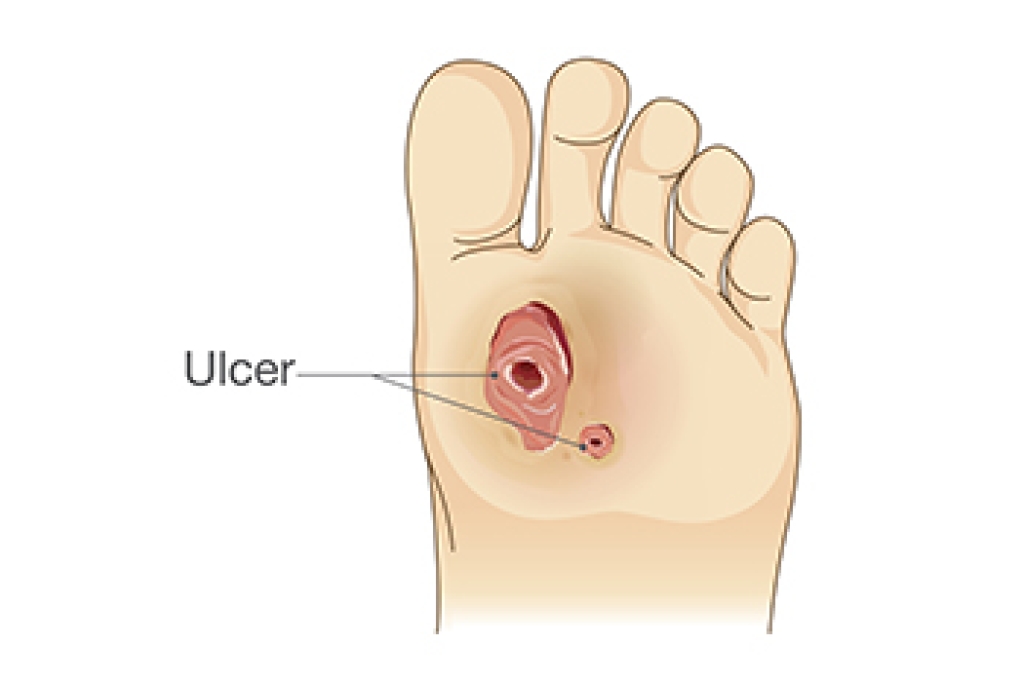
Different Wound Care Choices for a Diabetic Foot Ulcer

Managing a diabetic foot ulcer requires a thoughtful blend of treatments that support healing while protecting the surrounding skin. Care often begins by removing unhealthy tissue to create a healthier base for recovery. Moisture balancing dressings may be chosen to keep the wound environment stable, while topical or oral medications help reduce the risk of infection. Some ulcers benefit from advanced options such as biologic materials that encourage tissue growth or specialized padding and footwear to take pressure off the injured area. Vascular health and glucose control also influence how well the ulcer responds to care. Because every wound is different, a tailored plan helps promote steady progress and lowers the chance of complications. If your ulcer is not improving or feels differently than expected, it is suggested that you see a podiatrist.

Diabetic foot care is important in preventing foot ailments such as ulcers. If you are suffering from diabetes or have any other concerns about your feet, contact James Torhorst, DPM from Torhorst Foot and Ankle. Our doctor can provide the care you need to keep you pain-free and on your feet.

Diabetic Foot Care

Diabetes affects millions of people every year. The condition can damage blood vessels in many parts of the body, especially the feet. Because of this, taking care of your feet is essential if you have diabetes, and having a podiatrist help monitor your foot health is highly recommended.

The Importance of Caring for Your Feet

  • Routinely inspect your feet for bruises or sores.
  • Wear socks that fit your feet comfortably.
  • Wear comfortable shoes that provide adequate support.

Patients with diabetes should have their doctor monitor their blood levels, as blood sugar levels play such a huge role in diabetic care. Monitoring these levels on a regular basis is highly advised.

It is always best to inform your healthcare professional of any concerns you may have regarding your feet, especially for diabetic patients. Early treatment and routine foot examinations are keys to maintaining proper health, especially because severe complications can arise if proper treatment is not applied.

If you have any questions, please feel free to contact our offices located in Waupaca and Stevens Point, WI . We offer the newest diagnostic and treatment technologies for all your foot care needs.
Read more about Diabetic Foot Conditions

Ankle Joint Facts

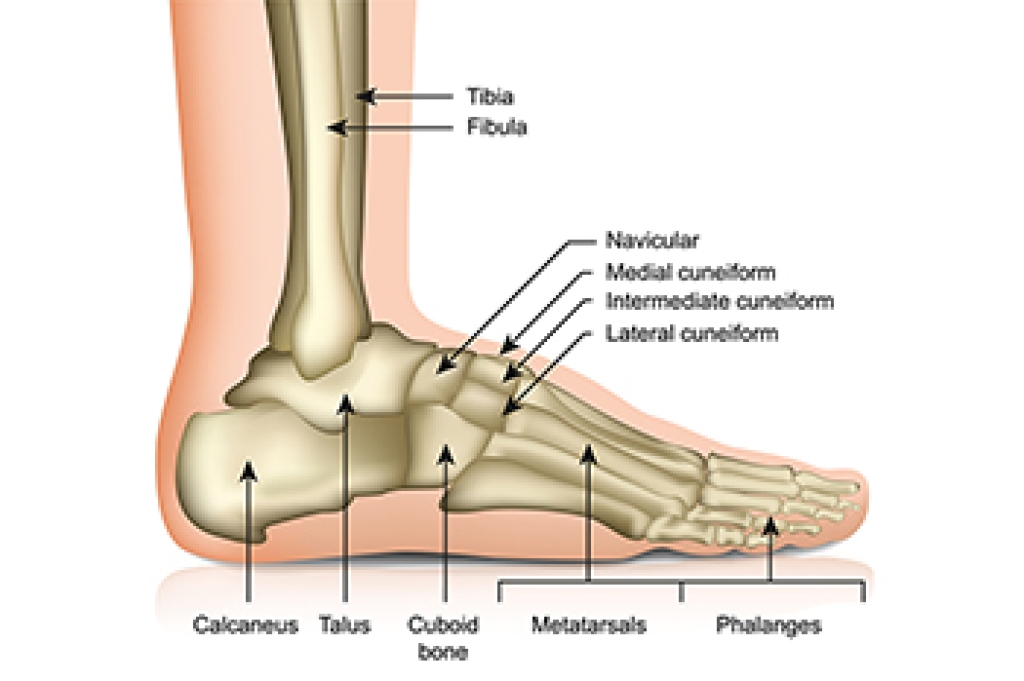
The ankle is a vital joint that connects the lower leg to the foot and plays a major role in movement and balance. It is located at the junction where the leg bones meet the top of the foot, forming a strong and stable structure. The anatomy of the ankle includes bones, ligaments, tendons, and muscles that work together to allow motion while supporting body weight. This joint enables actions such as walking, running, jumping, and maintaining posture on uneven surfaces. When the ankle is injured or not functioning properly, pain, swelling, stiffness, and instability can limit daily activities. A podiatrist can help by evaluating ankle structure and movement, diagnosing injuries or alignment problems, and creating a personalized treatment plan. If you have ankle pain, it is suggested that you consult a podiatrist who can determine what the cause is, and offer effective relief and treatment solutions.

If you have any concerns about your feet, contact James Torhorst, DPM from Torhorst Foot and Ankle. Our doctor can provide the care you need to keep you pain-free and on your feet.

Biomechanics in Podiatry

Podiatric biomechanics is a particular sector of specialty podiatry with licensed practitioners who are trained to diagnose and treat conditions affecting the foot, ankle and lower leg. Biomechanics deals with the forces that act against the body, causing an interference with the biological structures. It focuses on the movement of the ankle, the foot and the forces that interact with them.

A History of Biomechanics

  • Biomechanics dates back to the BC era in Egypt where evidence of professional foot care has been recorded.
  • In 1974, biomechanics gained a higher profile from the studies of Merton Root, who claimed that by changing or controlling the forces between the ankle and the foot, corrections or conditions could be implemented to gain strength and coordination in the area.

Modern technological improvements are based on past theories and therapeutic processes that provide a better understanding of podiatric concepts for biomechanics. Computers can provide accurate information about the forces and patterns of the feet and lower legs.

Understanding biomechanics of the feet can help improve and eliminate pain, stopping further stress to the foot.

If you have any questions please feel free to contact our offices located in Waupaca and Stevens Point, WI . We offer the newest diagnostic and treatment technologies for all your foot and ankle needs.

Read more about Biomechanics in Podiatry

Pain Related to Wearing High Heels

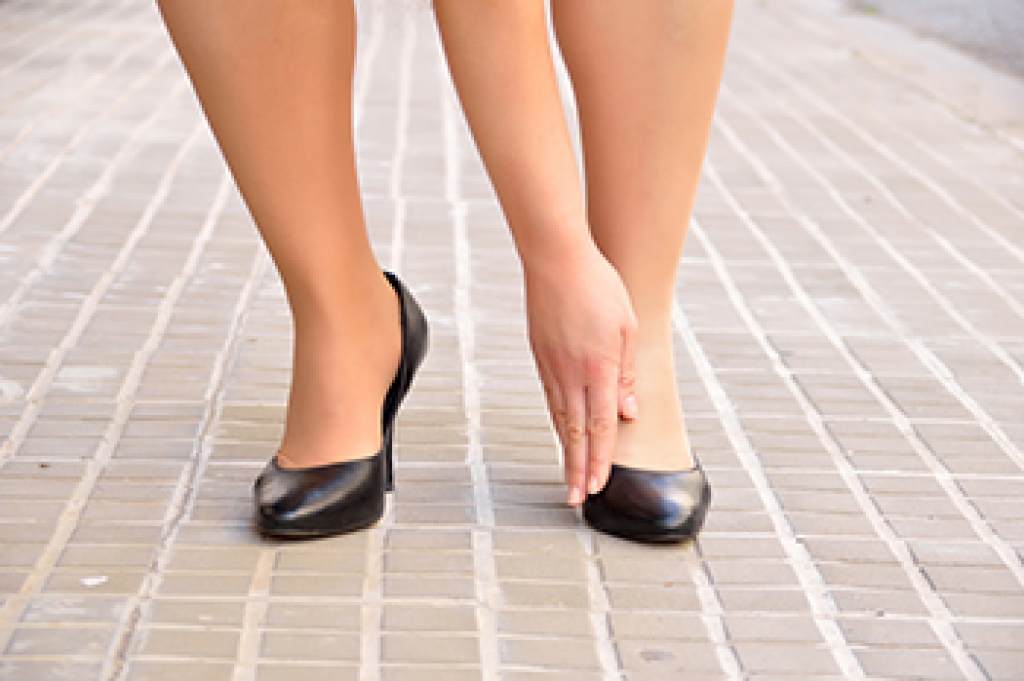
High-heeled shoes can alter foot posture and place stress on the feet and ankles. Elevating the heel shifts body weight forward, increasing pressure under the ball of the foot and compressing the toes. This change in alignment can strain joints, irritate nerves, and overload soft tissues that help stabilize the arch. Patients may notice burning pain beneath the forefoot, aching in the heel, stiffness through the mid-foot, or soreness around the ankle. A narrow toe box can crowd the toes, contributing to bunions, hammertoes, and possible ingrown toenails. A podiatrist evaluates gait, joint motion, and areas of pressure to identify the source of pain. Treatment options include padding, orthotic devices to redistribute load, and guidance on shoe choices. If you feel pain after wearing high-heeled shoes, it is suggested that you make an appointment with a podiatrist for an exam, diagnosis, and treatment options.

High heels have a history of causing foot and ankle problems. If you have any concerns about your feet or ankles, contact James Torhorst, DPM from Torhorst Foot and Ankle. Our doctor can provide the care you need to keep you pain-free and on your feet.

Effects of High Heels on the Feet

High heels are popular shoes among women because of their many styles and societal appeal.  Despite this, high heels can still cause many health problems if worn too frequently.

Which Parts of My Body Will Be Affected by High Heels?

  • Ankle Joints
  • Achilles Tendon – May shorten and stiffen with prolonged wear
  • Balls of the Feet
  • Knees – Heels cause the knees to bend constantly, creating stress on them
  • Back – They decrease the spine’s ability to absorb shock, which may lead to back pain.  The vertebrae of the lower back may compress.

What Kinds of Foot Problems Can Develop from Wearing High Heels?

  • Corns
  • Calluses
  • Hammertoe
  • Bunions
  • Morton’s Neuroma
  • Plantar Fasciitis

How Can I Still Wear High Heels and Maintain Foot Health?

If you want to wear high heeled shoes, make sure that you are not wearing them every day, as this will help prevent long term physical problems.  Try wearing thicker heels as opposed to stilettos to distribute weight more evenly across the feet.  Always make sure you are wearing the proper shoes for the right occasion, such as sneakers for exercising.  If you walk to work, try carrying your heels with you and changing into them once you arrive at work.  Adding inserts to your heels can help cushion your feet and absorb shock. Full foot inserts or metatarsal pads are available. 

If you have any questions, please feel free to contact our offices located in Waupaca and Stevens Point, WI . We offer the newest diagnostic and treatment technologies for all your foot care needs.
Read more about Effect of High Heels on the Feet

Connect With Us