Two Forms of Hyperhidrosis

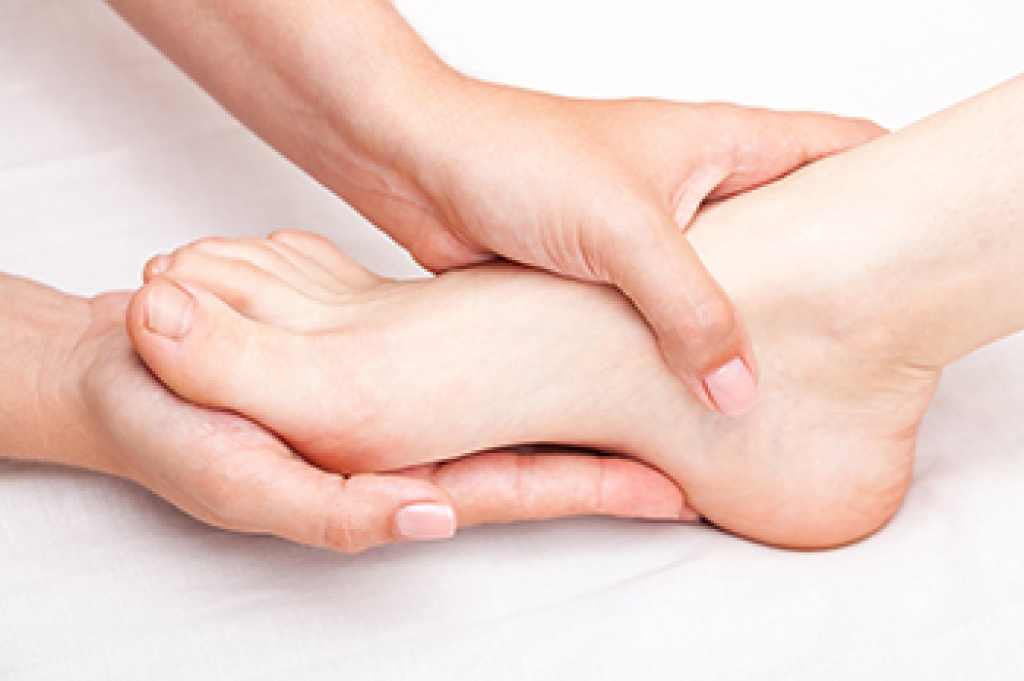
When the feet sweat profusely, it is referred to as plantar hyperhidrosis. Many patients find it is an uncomfortable and embarrassing condition and it may even cause difficulty in participating in social events. There are two types of this condition. The most common form is called primary focal hyperhidrosis and this type occurs when the nerves responsible for signaling your sweat glands become overactive. Research has indicated this form may be caused by genetic factors, or it can possibly develop from excess emotional stress. The less common form, called secondary hyperhidrosis occurs when excess sweating is due to a medical condition like diabetes, low blood sugar, thyroid problems, heart attack, or nervous system disorders. Mild relief may be found when inner soles are worn, and powder is used inside the shoes as this may help to absorb a large amount of sweat. If you notice your feet are sweating more than normal, it is suggested that you consult with a podiatrist who can guide you toward the correct treatment methods. 

If you are suffering from hyperhidrosis contact James Torhorst, DPM of Torhorst Foot and Ankle. Our doctor can provide the care you need to attend to all of your foot and ankle needs.

Hyperhidrosis of the Feet

Hyperhidrosis is a rare disorder that can cause people to have excessive sweating of their feet. This can usually occur all on its own without rigorous activity involved. People who suffer from hyperhidrosis may also experience sweaty palms.

Although it is said that sweating is a healthy process meant to cool down the body temperature and to maintain a proper internal temperature, hyperhidrosis may prove to be a huge hindrance on a person’s everyday life.

Plantar hyperhidrosis is considered to be the main form of hyperhidrosis. Secondary hyperhidrosis can refer to sweating that occurs in areas other than the feet or hands and armpits. Often this may be a sign of it being related to another medical condition such as menopause, hyperthyroidism and even Parkinson’s disease.

In order to alleviate this condition, it is important to see your doctor so that they may prescribe the necessary medications so that you can begin to live a normal life again. If this is left untreated, it is said that it will persist throughout an individual’s life.

A last resort approach would be surgery, but it is best to speak with your doctor to find out what may be the best treatment for you.

If you have any questions, please feel free to contact our offices located in Waupaca and Stevens Point, WI . We offer the newest diagnostic and treatment technologies for all your foot care needs.

Read more about Hyperhidrosis of the Feet

When Is Joint Replacement Surgery an Option?

When damage or disease in a joint does not improve or respond to conservative treatment, joint replacement surgery may be an option to help the patient feel and move better. In joint replacement surgery, damaged or diseased joints are replaced with fabricated parts in an effort to help the joint work better, while relieving pain and increasing or restoring mobility. Joint replacement surgery can typically be performed on many different joints in the body, including the joints in the ankles and big toes. These prosthetic joints can last many years. If you are suffering from joint pain in your feet or ankles, contact a podiatrist to see if you are a good candidate for joint replacement surgery.

In certain cases, in which the patient suffers from extreme pain or damage in a joint, joint replacement surgery may be deemed useful. If you have constant pain in a foot joint, consult with James Torhorst, DPM from Torhorst Foot and Ankle. Our doctor will assess your condition and provide you with quality foot and ankle treatment.

What Is Joint Replacement Surgery?

Over time, joints wear down; this can be exacerbated by diseases and conditions. Joint replacement surgery, also known as arthroplasty, is when a damaged joint is surgically removed and replaced with a prosthesis. Prostheses, which can be made of ceramic, plastic, or metal, act as joints in lieu of an actual joint. One of the most prevalent causes for joint replacement is arthritis.

Arthritis in the Foot

Arthritis can occur in any joint in the body, including in the feet. Common types of arthritis in the foot are osteoarthritis, rheumatoid arthritis, and gout. The big toe is usually where arthritis occurs in the foot; this is known as hallux rigidus.

Joint Replacement Surgery in the Foot

The most common form of joint replacement in the foot is a first metatarsophalangeal (MTP) joint placement. MTP joint replacement surgery is designed to treat hallux rigidus. Surgery is not intensive, and recovery occurs within one to two months after the procedure has been done. Overall, joint replacement surgery is a safe and effective way to treat pain in the joint of the foot.

If you have any questions, please feel free to contact our offices located in Waupaca and Stevens Point, WI . We offer the newest diagnostic and treatment technologies for all your foot care needs.
Read more about Joint Replacement Surgery

Ankle Joints, The Achilles Tendon, and High Heels

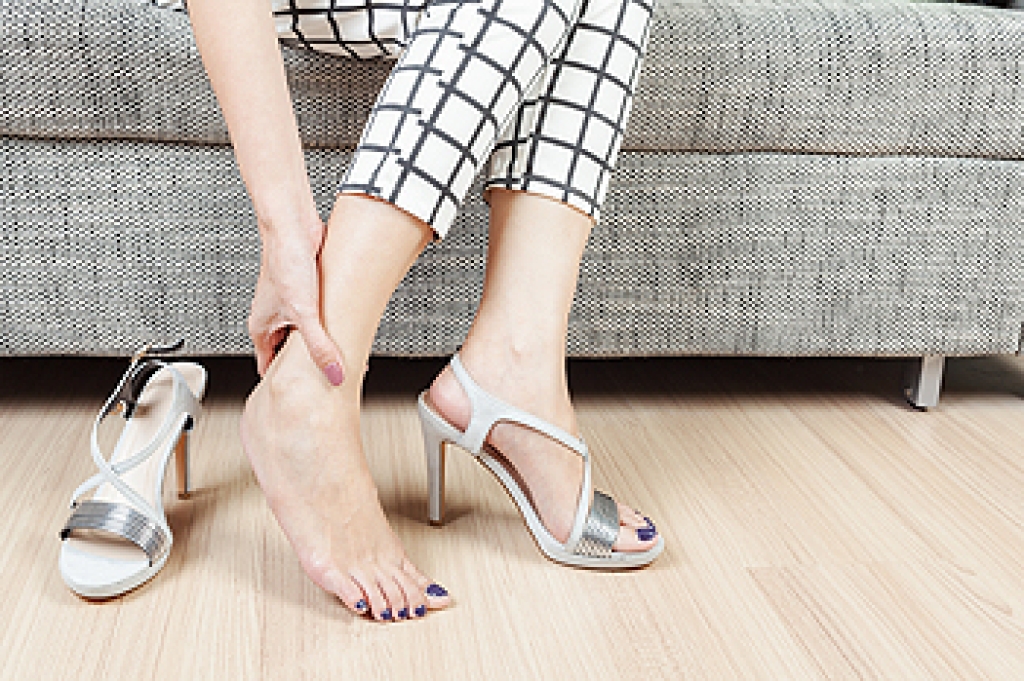
The ankles may suffer for women who choose to frequently wear high heels. This can be a result of the amount of body weight the ankle joints bear, and is generally increased when high heels are worn. Research has shown that arthritis may develop in women who enjoy wearing high heels, which can cause severe pain and discomfort. Additionally, the Achilles tendon can be affected. This is the tendon that is located in the back of the leg, and connects the calf muscles to the heel. Consistent wearing of high heels, can make this tendon feel stiff. If you would like additional information about the effect high heels have on the feet, please confer with a podiatrist.

High heels have a history of causing foot and ankle problems. If you have any concerns about your feet or ankles, contact James Torhorst, DPM from Torhorst Foot and Ankle. Our doctor can provide the care you need to keep you pain-free and on your feet.

Effects of High Heels on the Feet

High heels are popular shoes among women because of their many styles and societal appeal.  Despite this, high heels can still cause many health problems if worn too frequently.

Which Parts of My Body Will Be Affected by High Heels?

  • Ankle Joints
  • Achilles Tendon – May shorten and stiffen with prolonged wear
  • Balls of the Feet
  • Knees – Heels cause the knees to bend constantly, creating stress on them
  • Back – They decrease the spine’s ability to absorb shock, which may lead to back pain.  The vertebrae of the lower back may compress.

What Kinds of Foot Problems Can Develop from Wearing High Heels?

  • Corns
  • Calluses
  • Hammertoe
  • Bunions
  • Morton’s Neuroma
  • Plantar Fasciitis

How Can I Still Wear High Heels and Maintain Foot Health?

If you want to wear high heeled shoes, make sure that you are not wearing them every day, as this will help prevent long term physical problems.  Try wearing thicker heels as opposed to stilettos to distribute weight more evenly across the feet.  Always make sure you are wearing the proper shoes for the right occasion, such as sneakers for exercising.  If you walk to work, try carrying your heels with you and changing into them once you arrive at work.  Adding inserts to your heels can help cushion your feet and absorb shock. Full foot inserts or metatarsal pads are available. 

If you have any questions, please feel free to contact our offices located in Waupaca and Stevens Point, WI . We offer the newest diagnostic and treatment technologies for all your foot care needs.

Read more about Effect of High Heels on the Feet

Why Does My Ankle Feel Weak?

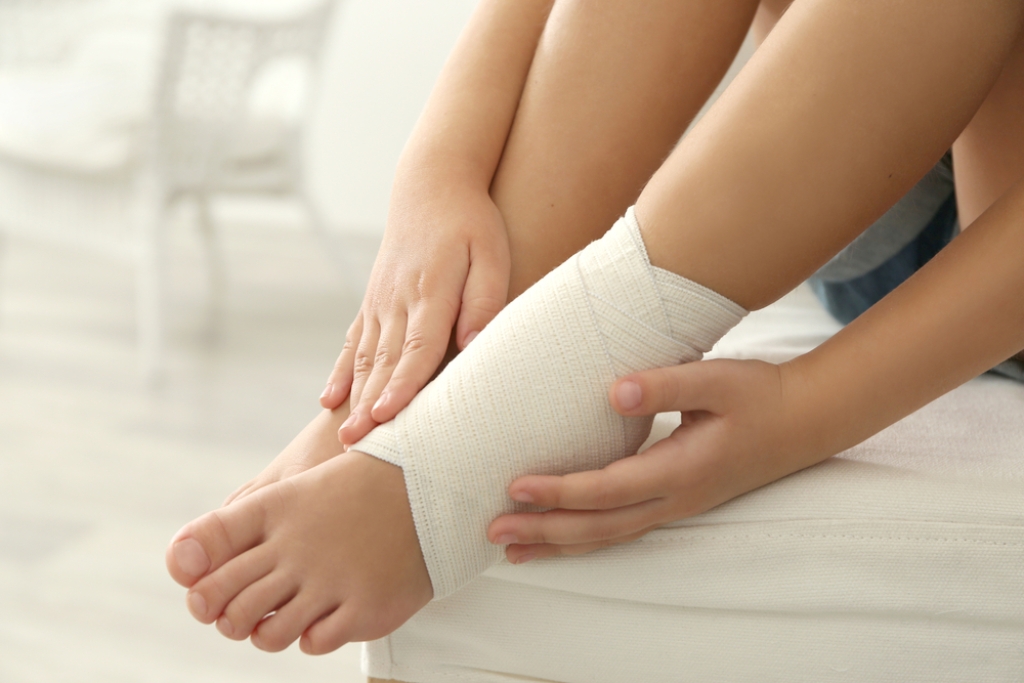
Repeated ankle sprains that have not healed nor been properly rehabilitated can cause chronic ankle instability—a condition where the ankle becomes weakened, uncomfortable, swollen, unstable, and is prone to roll outward. While this occurrence typically happens during activities or walking, it can also happen just by standing. A podiatrist can determine the proper treatment of a chronically unstable ankle depending upon what an examination reveals and the level of activity of the patient. Treatments may include exercises to strengthen muscles, increase range of motion and improve balance, as well as bracing, medication, and even surgery if the patient does not respond to non-surgical methods.

Although ankle sprains are common, they aren’t always minor injuries. If you need your ankle injury looked at, contact James Torhorst, DPM from Torhorst Foot and Ankle. Our doctor can provide the care you need to keep you pain-free and on your feet.

How Does an Ankle Sprain Occur?

Ankle sprains are the result of a tear in the ligaments within the ankle. These injuries may happen when you make a rapid shifting movement while your foot is planted. A less common way to sprain your ankle is when your ankle rolls inward while your foot turns outward.

What Are the Symptoms?

  • Pain at the sight of the tear
  • Bruising/Swelling
  • Ankle area is tender to touch
  • In severe cases, may hear/feel something tear
  • Skin discoloration

Preventing a Sprain

  • Wearing appropriate shoes for the occasion
  • Stretching before exercises and sports
  • Knowing your limits

Treatment of a Sprain

In many cases, the RICE method (Rest, Ice, Compression, and Elevate) is used to treat ankle sprains. However, you should see a podiatrist to see which treatment option would work best with your injury. In severe cases, surgery may be required.

It is important to ask your doctor about rehab options after you receive treatment for your injury. Stretching, strength training, and balance exercises may help the ankle heal while also preventing further injury.

If you have any questions, please feel free to contact our offices located in Waupaca and Stevens Point, WI . We offer the newest diagnostic and treatment technologies for all your foot care needs.

Read more about Ankle Sprains

Connect With Us