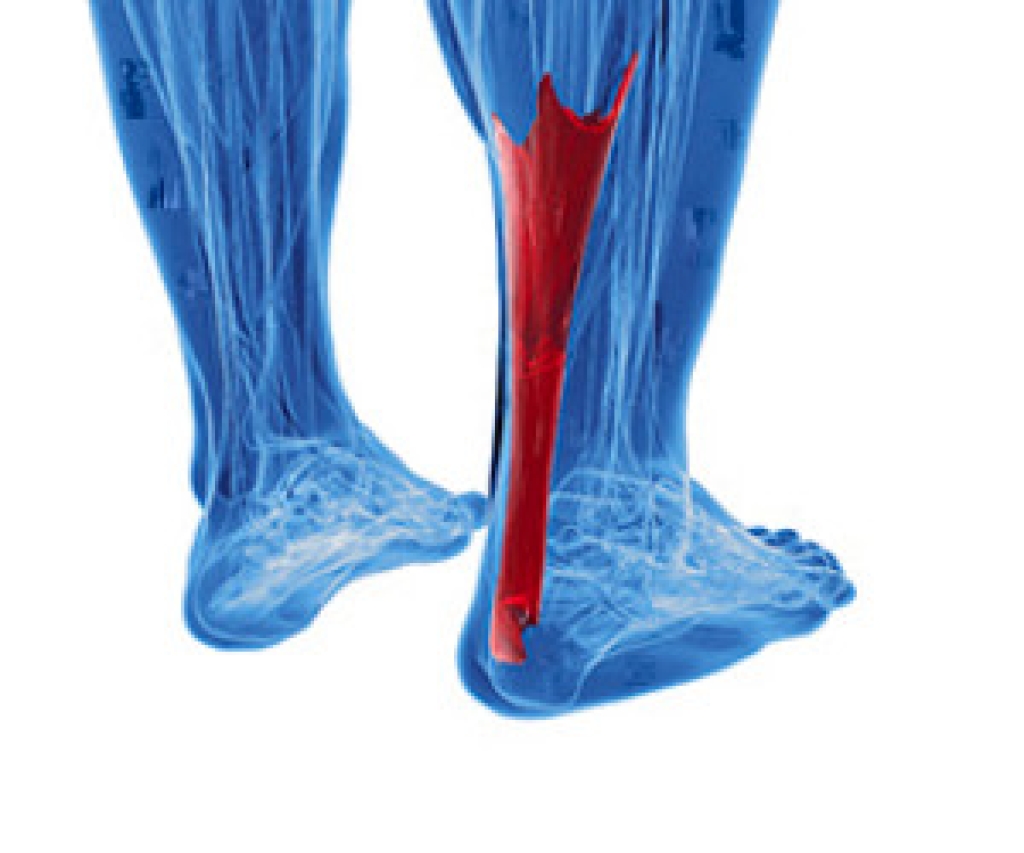
Ways the Achilles Tendon Can Be Injured

The Achilles tendon connects the calf muscle to the heel bone at the back of the leg. The tendon allows you to push off when walking or running as well as raising up onto your toes. One type of Achilles tendon injury is known as Achilles tendinopathy. This occurs when there are small tears in the tendon as a result of overuse. Another very common injury that may occur is known as an Achilles tendon rupture. This usually happens when there is a sudden movement that puts too much stress on the calf muscle. This type of injury can cause instant pain and loss of movement, and a popping sound may be heard at the time of injury. If you notice pain in your Achilles tendon area, it is a good idea to consult with a podiatrist because of the severity of the potential issues.   

Achilles tendon injuries need immediate attention to avoid future complications. If you have any concerns, contact James Torhorst, DPM of Torhorst Foot and Ankle. Our doctor can provide the care you need to keep you pain-free and on your feet.

What Is the Achilles Tendon?

The Achilles tendon is a tendon that connects the lower leg muscles and calf to the heel of the foot. It is the strongest tendon in the human body and is essential for making movement possible. Because this tendon is such an integral part of the body, any injuries to it can create immense difficulties and should immediately be presented to a doctor.

What Are the Symptoms of an Achilles Tendon Injury?

There are various types of injuries that can affect the Achilles tendon. The two most common injuries are Achilles tendinitis and ruptures of the tendon.

Achilles Tendinitis Symptoms

  • Inflammation
  • Dull to severe pain
  • Increased blood flow to the tendon
  • Thickening of the tendon

Rupture Symptoms

  • Extreme pain and swelling in the foot
  • Total immobility

Treatment and Prevention

Achilles tendon injuries are diagnosed by a thorough physical evaluation, which can include an MRI. Treatment involves rest, physical therapy, and in some cases, surgery. However, various preventative measures can be taken to avoid these injuries, such as:

  • Thorough stretching of the tendon before and after exercise
  • Strengthening exercises like calf raises, squats, leg curls, leg extensions, leg raises, lunges, and leg presses

If you have any questions please feel free to contact our offices located in Waupaca and Stevens Point, WI . We offer the newest diagnostic tools and technology to treat your foot and ankle needs.

Read more about Achilles Tendon Injuries

Why Laser Treatment for Fungal Nails Can Be Effective

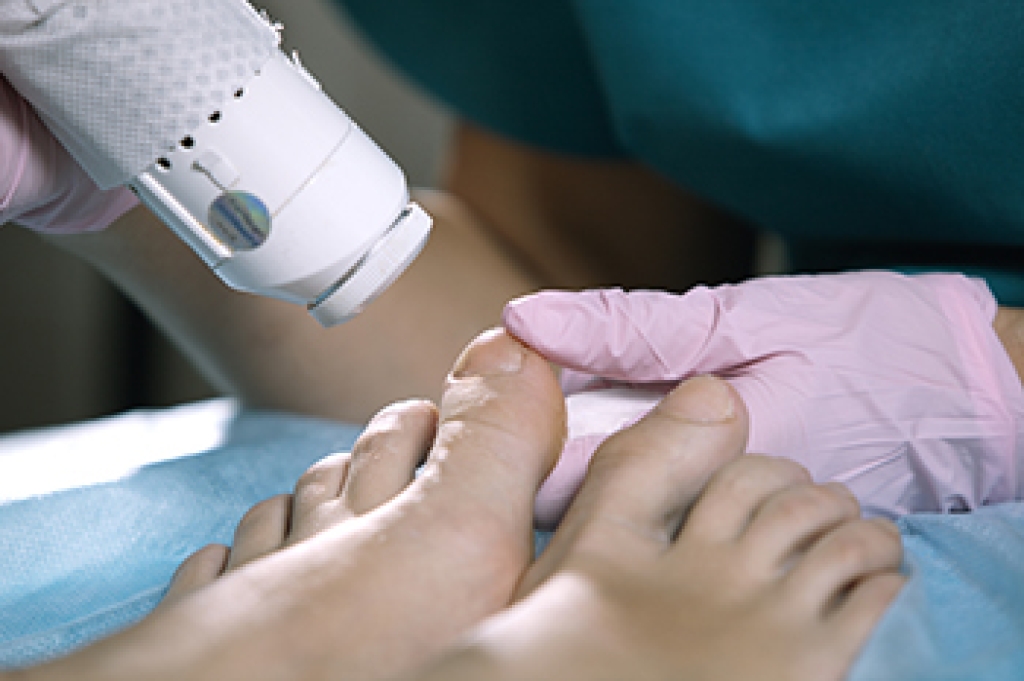
Fungal infections of the toenail (onychomycosis) can cause nails to thicken, turn yellow, and possibly separate from the nail bed. Onychomycosis can be very stubborn and difficult to treat. This is because the nail grows so slowly, and fungus gets in between the multiple layers making up the nail, under the nail, or even in the nail matrix. Laser treatment for fungal nails is believed to be an effective and safe treatment for the eradication of onychomycosis. This is because the laser can penetrate the nail and be precisely targeted to attack the fungus without damaging surrounding skin or tissue. Laser treatment for fungal nails can take as little as one treatment and prevent the infection from spreading or returning. If you have developed a fungal toenail infection, ask your podiatrist if laser treatment is right for you.

Laser treatment can be an effective way to get rid of toenail fungus. If you have any questions about laser treatment, consult with James Torhorst, DPM from Torhorst Foot and Ankle. Our doctor will assess your condition and provide you with quality treatment for fungal nails.

What Are Toenail Fungal Infections?

Onychomycosis, or fungal infection of the nail, is a relatively common and non-serious condition. Around 10 percent of U.S. citizens are afflicted with fungal nails. Common forms of fungus that infect the nail include dermatophytes, yeasts, and molds.

Symptoms of Toenail Fungal Infections Include:

  • Nail thickening
  • Brittleness of the nail
  • Discoloration of the nail

Diagnosis for Fungal Nails

Fungal infections are diagnosed by fungal culture and microscopy. This will rule out any other conditions such as nail trauma, psoriasis, lichen planus, and onychogryphosis.

What Is Laser Treatment?

Laser treatment is a non-invasive, safe, quick, and painless procedure that uses the heat from a laser to kill fungus in the nail. Each infected nail is targeted with a laser for several minutes. The treatment is usually utilized several different times over a select period. During this time, a podiatrist will keep an eye on the infection.

If you have any questions, please feel free to contact our offices located in Waupaca and Stevens Point, WI . We offer the newest diagnostic and treatment technologies for all your foot care needs.

Read more about Laser Treatment for Fungal Nails

Choosing Work Footwear That Works

Here are a few tips on finding the perfect fit in your work boots or work shoes. First, the shoe/boot should be snug, but not tight. The back of the shoe or boot should hug (but not cut into) the heel, and the ball of your foot should lay comfortably in the ball of the shoe. There should be space between the tips of the toes and the toe box. Your toes should have enough room to move a bit and they should never be squeezed or confined. Work shoes and boots that fit properly will keep you energized and even help your footwear last. For more tips on work footwear or to learn about custom orthotics that can keep your feet comfortable and healthy, contact your local podiatrist.

It is important to find shoes that fit you properly in order to avoid a variety of different foot problems. For more information about treatment, contact James Torhorst, DPM from Torhorst Foot and Ankle. Our doctor will treat your foot and ankle needs.

Proper Shoe Fitting

Shoes have many different functions. They cushion our body weight, protect our feet, and allow us to safely play sports. You should always make sure that the shoes you wear fit you properly in order to avoid injuries and deformities such as: bunions, corns, calluses, hammertoes, plantar fasciitis, stress fractures, and more. It is important to note that although a certain pair of shoes might be a great fit for someone else, that doesn’t mean they will be a great fit for you. This is why you should always try on shoes before buying them to make sure they are worth the investment. Typically, shoes need to be replaced ever six months to one year of regular use.

Tips for Proper Shoe Fitting

  • Select a shoe that is shaped like your foot
  • Don’t buy shoes that fit too tight, expecting them to stretch to fit
  • Make sure there is enough space (3/8” to ½”) for your longest toe at the end of each shoe when you are standing up
  • Walk in the shoes to make sure they fit and feel right
  • Don’t select shoes by the size marked inside the shoe, but by how the shoe fits your foot

The shoes you buy should always feel as good as they look. Shoes that fit properly will last longer, feel better, and improve your way of life each day.

If you have any questions please contact our offices located in Waupaca and Stevens Point, WI . We offer the newest diagnostic and treatment technologies for all your foot and ankle needs.

Read more about How to Get a Proper Shoe Fit

What Is Tarsal Tunnel Syndrome?

If the bottom of your foot starts hurting while performing an activity, especially later in the day, you may be afflicted with a condition known as tarsal tunnel syndrome. The discomfort, which generally begins in the heel and moves to the sole of the foot, presents itself as sharp, shooting, or burning pain that sometimes turns to numbness. It is caused by compression or repetitive stretching of the tibial nerve that branches off from the sciatic nerve and runs down the lower leg to the ankle and then the foot. In some cases, a bone spur or other growth may press on the nerve causing pain. People with flat feet are said to have an increased risk for developing tarsal tunnel syndrome due to flattened arches that can stretch the tibial nerve. Walking and gaining weight can also make the condition worse. Some ways to alleviate symptoms include wearing comfortable shoes, stopping activities that exacerbate the pain, stretching the calf muscles, and taking non-steroidal anti-inflammatory medication. Custom orthotics may ease the condition as well, and corticosteroid injections can reduce the inflammation. It is a good idea to schedule an appointment with a podiatrist who can direct your treatment and provide the expert care you need. 

Tarsal tunnel syndrome can be very uncomfortable to live with. If you are experiencing tarsal tunnel syndrome, contact James Torhorst, DPM of Torhorst Foot and Ankle. Our doctor can provide the care you need to keep you pain-free and on your feet.

Tarsal Tunnel Syndrome

Tarsal tunnel syndrome, which can also be called tibial nerve dysfunction, is an uncommon condition of misfiring peripheral nerves in the foot. The tibial nerve is the peripheral nerve in the leg responsible for sensation and movement of the foot and calf muscles. In tarsal tunnel syndrome, the tibial nerve is damaged, causing problems with movement and feeling in the foot of the affected leg.

Common Cause of Tarsal Tunnel Syndrome

  • Involves pressure or an injury, direct pressure on the tibial nerve for an extended period of time, sometimes caused by other body structures close by or near the knee.
  • Diseases that damage nerves, including diabetes, may cause tarsal tunnel syndrome.
  • At times, tarsal tunnel syndrome can appear without an obvious cause in some cases.

The Effects of Tarsal Tunnel Syndrome

  • Different sensations, an afflicted person may experience pain, tingling, burning or other unusual sensations in the foot of the affected leg.
  • The foot muscles, toes and ankle become weaker, and curling your toes or flexing your foot can become difficult.
  • If condition worsens, infections and ulcers may develop on the foot that is experiencing the syndrome.

A physical exam of the leg can help identify the presence of tarsal tunnel syndrome. Medical tests, such as a nerve biopsy, are also used to diagnose the condition. Patients may receive physical therapy and prescriptive medication. In extreme cases, some may require surgery.

If you have any questions please contact our offices located in Waupaca and Stevens Point, WI . We offer the newest diagnostic and treatment technologies for all your foot and ankle needs.

Read more about Treating Tarsal Tunnel Syndrome

Connect With Us