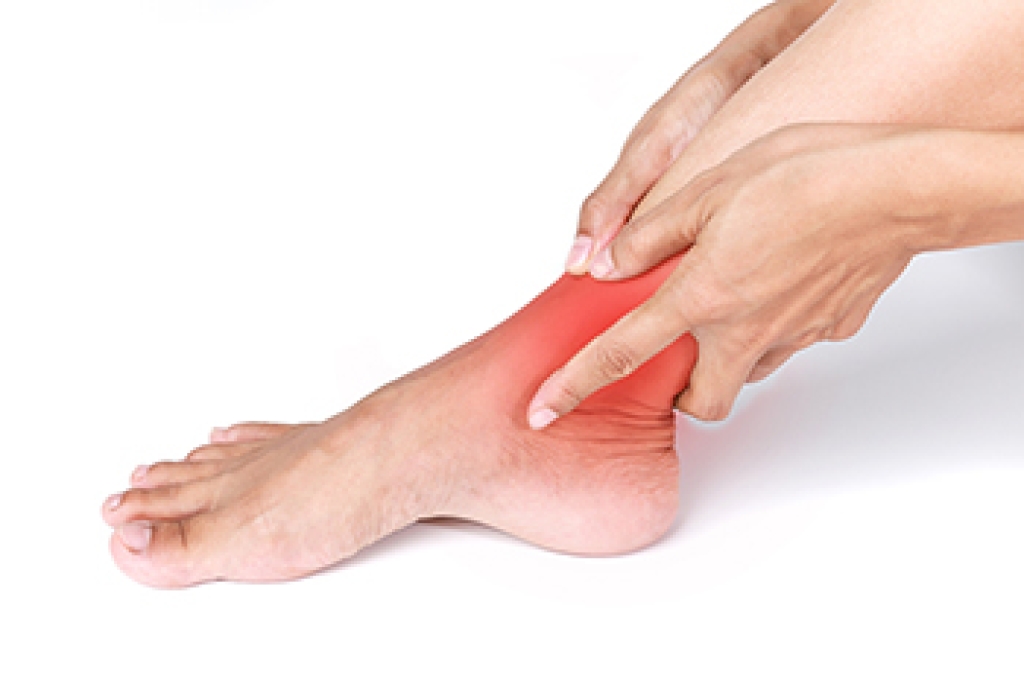
Why Is My Ankle in Pain?

Ankle pain can be caused by a variety of factors. For instance, you may have an ankle sprain or fracture. Ankle sprains occur when ligaments that support the ankle get stretched or torn, and fractures are actual breaks in one or more bones that make up the ankle joint. Pain in the ankle may also be caused by gout, rheumatoid arthritis, osteoarthritis and other types of arthritis which affect the ankle joint. There are other conditions such as nerve injuries, heel injuries, and blockages in blood vessels that may produce ankle pain. Pain due to tarsal tunnel syndrome (a compression of the tibial nerve in the tarsal tunnel) can be felt anywhere along the nerve, including the ankle. There may be painful damage to the cartilage or tendons in the ankle. If you are feeling pain in your ankle, get your condition evaluated and diagnosed by a podiatrist who can also create a treatment plan based on their findings.

Ankle pain can have many different causes and the pain may potentially be serious. If you have ankle pain, consult with James Torhorst, DPM  from Torhorst Foot and Ankle. Our doctor will assess your condition and provide you with quality foot and ankle treatment.

Ankle pain is any condition that causes pain in the ankle. Due to the fact that the ankle consists of tendons, muscles, bones, and ligaments, ankle pain can come from a number of different conditions.

Causes

The most common causes of ankle pain include:

  • Types of arthritis (rheumatoid, osteoarthritis, and gout)
  • Ankle sprains
  • Broken ankles
  • Achilles tendinitis
  • Achilles tendon rupture
  • Stress fractures
  • Tarsal tunnel syndrome
  • Plantar fasciitis

Symptoms

Symptoms of ankle injury vary based upon the condition. Pain may include general pain and discomfort, swelling, aching, redness, bruising, burning or stabbing sensations, and/or loss of sensation.

Diagnosis

Due to the wide variety of potential causes of ankle pain, podiatrists will utilize a number of different methods to properly diagnose ankle pain. This can include asking for personal and family medical histories and of any recent injuries. Further diagnosis may include sensation tests, a physical examination, and potentially x-rays or other imaging tests.

Treatment

Just as the range of causes varies widely, so do treatments. Some more common treatments are rest, ice packs, keeping pressure off the foot, orthotics and braces, medication for inflammation and pain, and surgery.

If you have any questions please feel free to contact our offices located in Waupaca and Stevens Point, WI . We offer the newest diagnostic tools and technology to treat your foot and ankle needs.
Read more about Ankle Pain

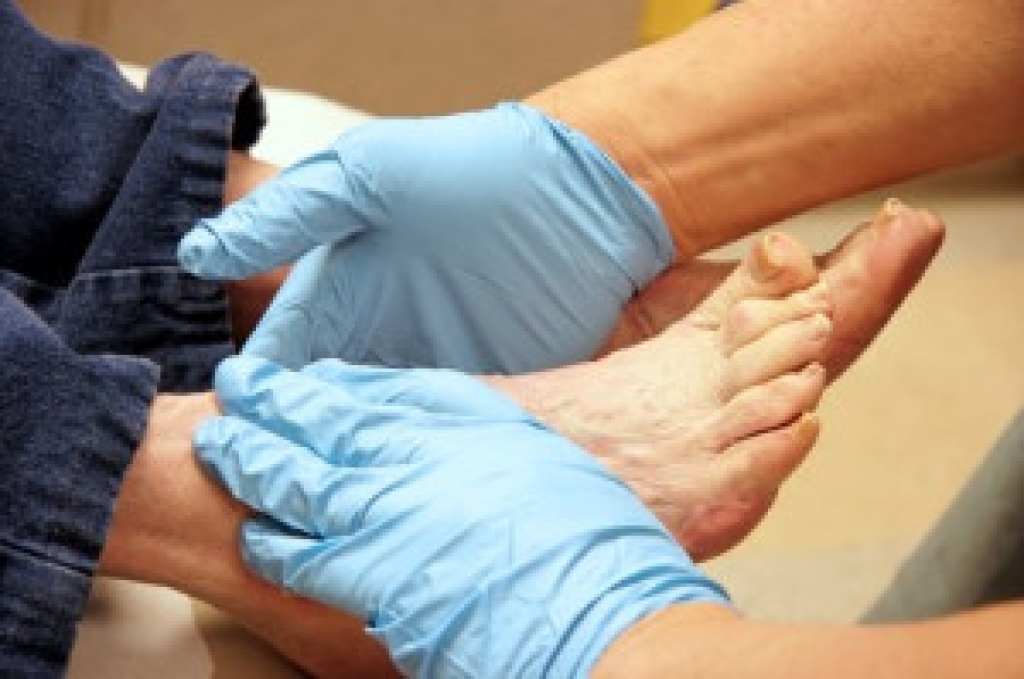
The Importance of Foot Care For Diabetics

Neuropathy, a form of nerve damage, is known for causing a loss of feeling in the feet, and roughly half of all diabetic patients have some type of neuropathy. Because of this lack of feeling, many small problems with the feet may not be noticed and thus lead to the development of serious issues. To help avoid missing the small issues that can occur with the feet, there are some daily things that diabetic patients can do. Daily checks for cuts and wounds, regularly washing the feet, wearing shoes that fit right, and avoiding going barefoot are a few of the things that can be done to help care for the feet once they have lost some feeling. Along with regular checkups, diabetic patients should consult with a podiatrist if they notice a loss of sensation in the feet, a change in shape or color to the feet, or loss of hair on the feet.   

Diabetic foot care is important in preventing foot ailments such as ulcers. If you are suffering from diabetes or have any other concerns about your feet, contact James Torhorst, DPM from Torhorst Foot and Ankle. Our doctor can provide the care you need to keep you pain-free and on your feet.

Diabetic Foot Care

Diabetes affects millions of people every year. The condition can damage blood vessels in many parts of the body, especially the feet. Because of this, taking care of your feet is essential if you have diabetes, and having a podiatrist help monitor your foot health is highly recommended.

The Importance of Caring for Your Feet

  • Routinely inspect your feet for bruises or sores.
  • Wear socks that fit your feet comfortably.
  • Wear comfortable shoes that provide adequate support.

Patients with diabetes should have their doctor monitor their blood levels, as blood sugar levels play such a huge role in diabetic care. Monitoring these levels on a regular basis is highly advised.

It is always best to inform your healthcare professional of any concerns you may have regarding your feet, especially for diabetic patients. Early treatment and routine foot examinations are keys to maintaining proper health, especially because severe complications can arise if proper treatment is not applied.

If you have any questions, please feel free to contact our offices located in Waupaca and Stevens Point, WI . We offer the newest diagnostic and treatment technologies for all your foot care needs.

Read more about Diabetic Foot Conditions

What Can Be Done to Treat an Ankle Sprain?

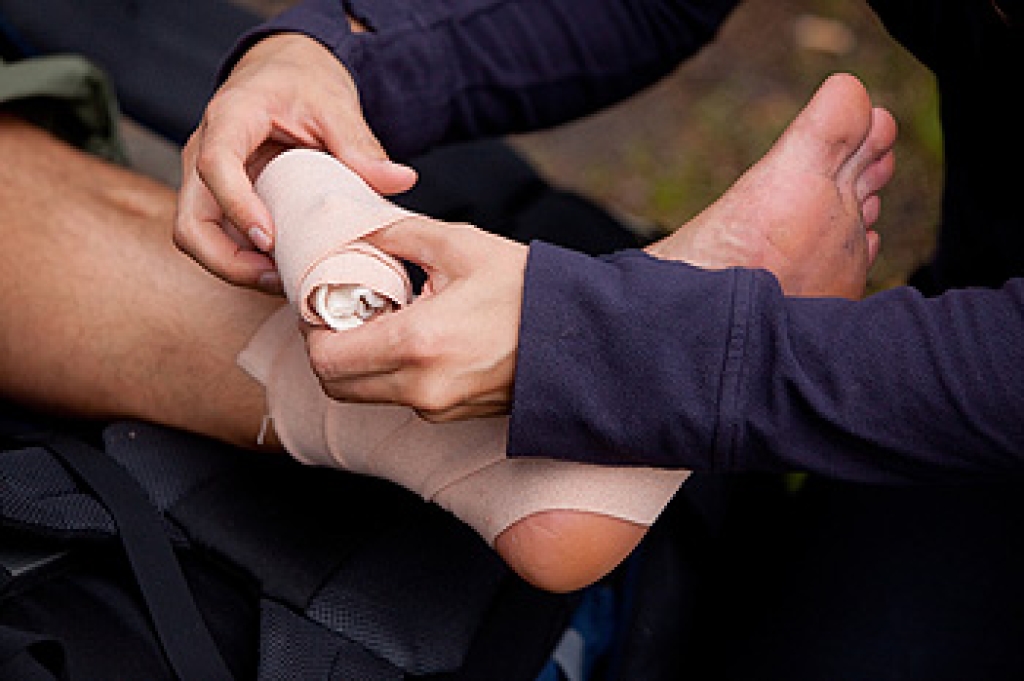
Ankle sprains can occur when one or more ligaments in the ankle are overstretched or torn, usually due to a sudden, twisting injury of the ankle. Sprains can range from mild to severe, but in all cases, a full recovery is vital to prevent future ankle injuries. For all ankle sprains, it is important to protect the sprained ankle from further injury by resting it. Applying ice, compressing, and elevating the injured ankle can help reduce swelling and inflammation. Taking over-the-counter anti-inflammatory drugs can be useful for pain management. Gentle stretching and strengthening exercises can help during the recovery process as well. Moderate to severe sprains will usually require further treatments to ensure proper healing. These may include footwear modifications, wearing orthotics, going to physical therapy, wearing an ankle brace or support, and in particularly severe cases, undergoing surgery to repair a torn ligament. If you have sprained your ankle, it is suggested that you seek the care of a podiatrist. 

Ankle sprains are common but need immediate attention. If you need your feet checked, contact James Torhorst, DPM from Torhorst Foot and Ankle. Our doctor can provide the care you need to keep you pain-free and on your feet.

How Does an Ankle Sprain Occur?

Ankle sprains take place when the ligaments in your ankle are torn or stretched beyond their limits. There are multiple ways that the ankle can become injured, including twisting or rolling over onto your ankle, putting undue stress on it, or causing trauma to the ankle itself.

What Are the Symptoms?

  • Mild to moderate bruising
  • Limited mobility
  • Swelling
  • Discoloration of the skin (depending on severity)

Preventing a Sprain

  • Wearing appropriate shoes for the occasion
  • Stretching before exercises and sports
  • Knowing your limits

Treatment of a Sprain

Treatment of a sprain depends on the severity.  Many times, people are told to rest and remain off their feet completely, while others are given an air cast. If the sprain is very severe, surgery may be required.

If you have suffered an ankle sprain previously, you may want to consider additional support such as a brace and regular exercises to strengthen the ankle.

If you have any questions please feel free to contact our offices located in Waupaca and Stevens Point, WI . We offer the newest diagnostic tools and technology to treat your foot and ankle needs.

Read more about Ankle Sprains

What to Avoid When It Comes to High Heels

High heeled shoes may be fashionable, but they are not your best footwear option when it comes to maintaining the proper health of your feet. Wearing high heels, particularly shoes that are tight-fitting, narrow, or have excessively high heels, can damage your feet. Frequent high heel wearing can lead to bunions, hammertoes, pump bump, corns, calluses, neuromas, ankle sprains, and even back pain. If you would still like to wear high heels, reduce the risk of potential problems by opting for shoes that do not have pointed or narrow toe boxes, or a heel taller than two inches. If you start to feel foot pain while wearing these shoes, it is suggested that you change into something more comfortable and properly fitting as soon as possible. For more information about the effects of high heels on the feet, please consult with a podiatrist. 

High heels have a history of causing foot and ankle problems. If you have any concerns about your feet or ankles, contact James Torhorst, DPM from Torhorst Foot and Ankle. Our doctor can provide the care you need to keep you pain-free and on your feet.

Effects of High Heels on the Feet

High heels are popular shoes among women because of their many styles and societal appeal.  Despite this, high heels can still cause many health problems if worn too frequently.

Which Parts of My Body Will Be Affected by High Heels?

  • Ankle Joints
  • Achilles Tendon – May shorten and stiffen with prolonged wear
  • Balls of the Feet
  • Knees – Heels cause the knees to bend constantly, creating stress on them
  • Back – They decrease the spine’s ability to absorb shock, which may lead to back pain.  The vertebrae of the lower back may compress.

What Kinds of Foot Problems Can Develop from Wearing High Heels?

  • Corns
  • Calluses
  • Hammertoe
  • Bunions
  • Morton’s Neuroma
  • Plantar Fasciitis

How Can I Still Wear High Heels and Maintain Foot Health?

If you want to wear high heeled shoes, make sure that you are not wearing them every day, as this will help prevent long term physical problems.  Try wearing thicker heels as opposed to stilettos to distribute weight more evenly across the feet.  Always make sure you are wearing the proper shoes for the right occasion, such as sneakers for exercising.  If you walk to work, try carrying your heels with you and changing into them once you arrive at work.  Adding inserts to your heels can help cushion your feet and absorb shock. Full foot inserts or metatarsal pads are available. 

If you have any questions, please feel free to contact our offices located in Waupaca and Stevens Point, WI . We offer the newest diagnostic and treatment technologies for all your foot care needs.

Read more about Effect of High Heels on the Feet

Wounds That Don't Heal Need to Be Checked

Your feet are covered most of the day. If you're diabetic, periodic screening is important for good health. Numbness is often a sign of diabetic foot and can mask a sore or wound.

Connect With Us