
Gout is a painful, inflammatory form of arthritis. Those affected will typically feel an intense stiffness in the joints of their feet, particularly in the big toe. Schedule a visit to learn about how gout can be managed and treated.
Gout is a painful, inflammatory form of arthritis. Those affected will typically feel an intense stiffness in the joints of their feet, particularly in the big toe. Schedule a visit to learn about how gout can be managed and treated.

The benefits of frequently performing foot exercises can contribute to staying independent and mobile. The feet are the foundation of the body, and proper foot health can positively affect the overall body. There are specific foot exercises that can improve range of motion, and this may help to improve arthritis, cramping, and tingling that can happen in the feet. Strong feet can help to protect the ankles, and it can be beneficial to wear shoes that are supportive. Some patients find it helpful to place a thick blanket on the floor, followed by walking back and forth on it. Additionally, the foot can become stronger by rolling it on a tennis ball for several minutes. If you would like more information about exercising the feet, please consult with a podiatrist who can answer any questions you may have.
Exercising your feet regularly with the proper foot wear is a great way to prevent injuries and build strength. If you have any concerns about your feet, contact James Torhorst, DPM from Torhorst Foot and Ankle. Our doctor can provide the care you need to keep you pain-free and on your feet.
Exercise for Your Feet
Exercise for your feet can help you gain strength, mobility and flexibility in your feet. They say that strengthening your feet can be just as rewarding as strengthening another part of the body. Your feet are very important, and we often forget about them in our daily tasks. But it is because of our feet that are we able to get going and do what we need to. For those of us fortunate enough to not have any foot problems, it is an important gesture to take care of them to ensure good health in the long run.
Some foot health exercises can include ankle pumps, tip-toeing, toe rises, lifting off the floor doing reps and sets, and flexing the toes. It is best to speak with Our doctor to determine an appropriate regimen for your needs. Everyone’s needs and bodies are different, and the activities required to maintain strength in the feet vary from individual to individual.
Once you get into a routine of doing regular exercise, you may notice a difference in your feet and how strong they may become.
If you have any questions, please feel free to contact our offices located in Waupaca and Stevens Point, WI . We offer the newest diagnostic and treatment technologies for all your foot care needs.
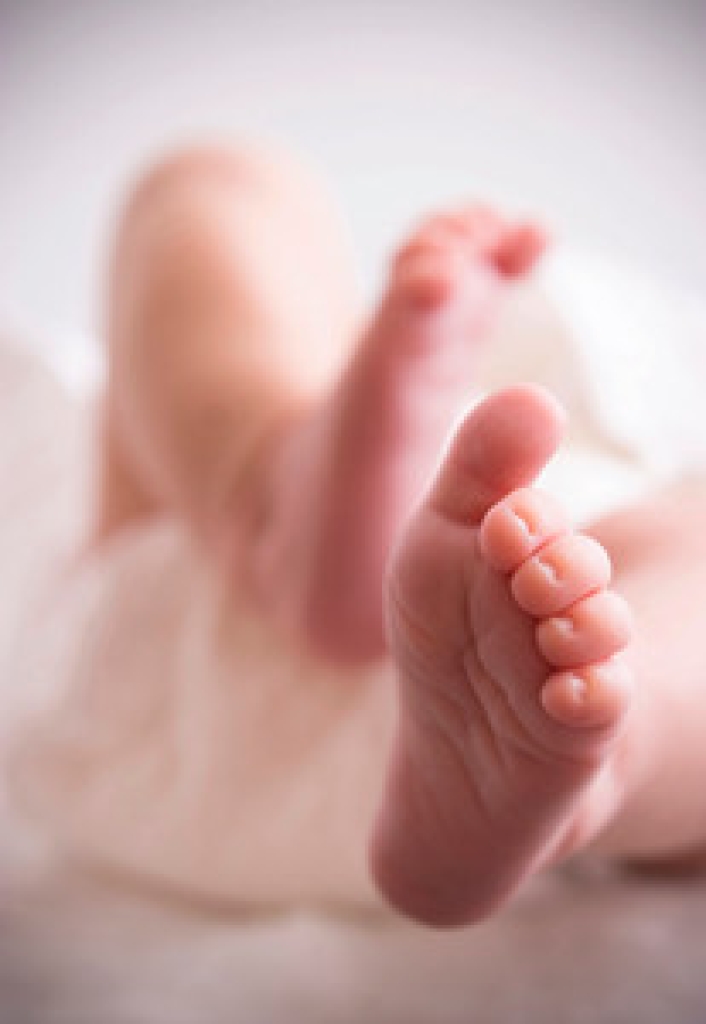
Do your child's feet turn outward when they walk? Do they walk or run awkwardly, or tend to trip or fall? Have you noticed that the soles of their shoes wear unevenly? If your child is experiencing any of these symptoms, they may be out-toeing. Some believe that out-toeing may be caused in utero, as the baby’s confined space in the womb sometimes causes their bones to twist. This may occur in the shin bones or thigh bones, or in rare cases, the hip bones. These bones usually return to a normal position on their own during the child’s first few years of life. However, this process may take longer for certain children, or may even require medical intervention if the condition worsens, causes limping or pain in the leg or hip, or if one foot turns out more than the other. If you believe your child is out-toeing, it is suggested that you make an appointment with a podiatrist who can help monitor the child’s progress, or even treat it to help correct the condition.
The health of a child’s feet is vital to their overall well-being. If you have any questions regarding foot health, contact James Torhorst, DPM of Torhorst Foot and Ankle. Our doctor can provide the care you need to keep you pain-free and on your feet.
Tips for Keeping Children's Feet Healthy
If you have any questions, please feel free to contact our offices located in Waupaca and Stevens Point, WI . We offer the newest diagnostic and treatment technologies for all your foot care needs.
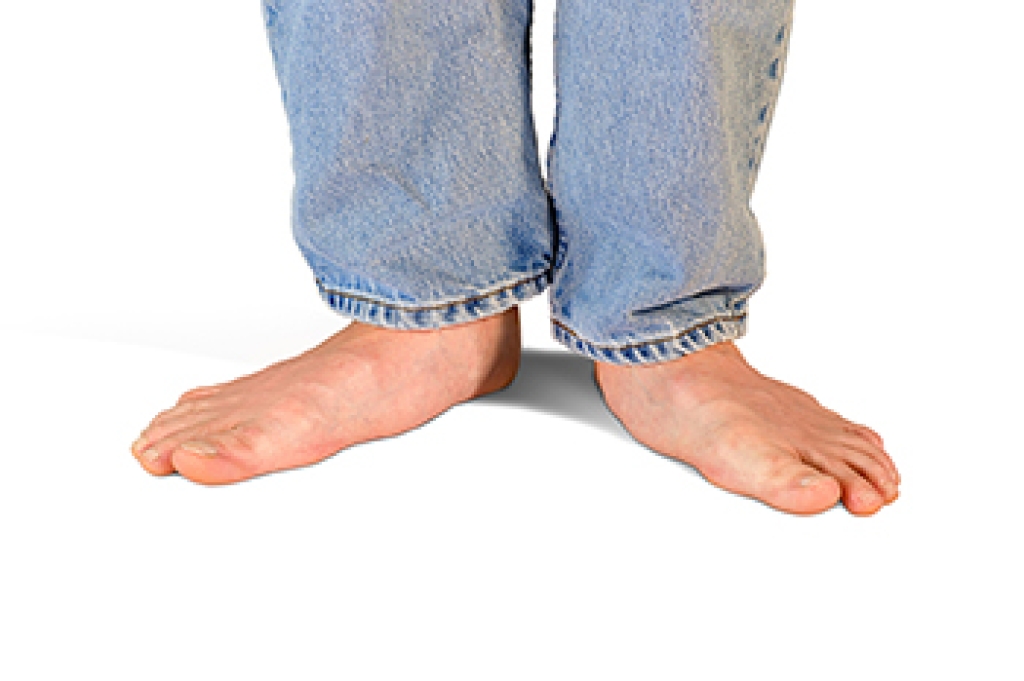 Flat feet are also referred to as “fallen arches.” As the name suggests, this condition results from collapsed arches or when the feet lay flat against the floor while walking. Babies and toddlers do not have arches at first, but they develop them as they grow. Flat feet can develop if arches do not mature normally. This may happen because of shoes that do not provide adequate arch support, wearing high heels, or overpronation (rolling inward) of the feet. While flat feet should not interfere with the usability of a person’s feet, the pain might be felt in the feet or calves since the feet must work harder to compensate for the lack of arches. If you suspect you have flat feet it is suggested that you see a podiatrist for proper evaluation, customized creation of arch supports, and any other treatment that may be required.
Flatfoot is a condition many people suffer from. If you have flat feet, contact James Torhorst, DPM from Torhorst Foot and Ankle. Our doctor will treat your foot and ankle needs.
What Are Flat Feet?
Flatfoot is a condition in which the arch of the foot is depressed and the sole of the foot is almost completely in contact with the ground. About 20-30% of the population generally has flat feet because their arches never formed during growth.
Conditions & Problems:
Having flat feet makes it difficult to run or walk because of the stress placed on the ankles.
Alignment – The general alignment of your legs can be disrupted, because the ankles move inward which can cause major discomfort.
Knees – If you have complications with your knees, flat feet can be a contributor to arthritis in that area.
Symptoms
Treatment
If you are experiencing pain and stress on the foot you may weaken the posterior tibial tendon, which runs around the inside of the ankle.
If you have any questions, please feel free to contact our offices located in Waupaca and Stevens Point, WI . We offer the newest diagnostic and treatment technologies for all your foot care needs.
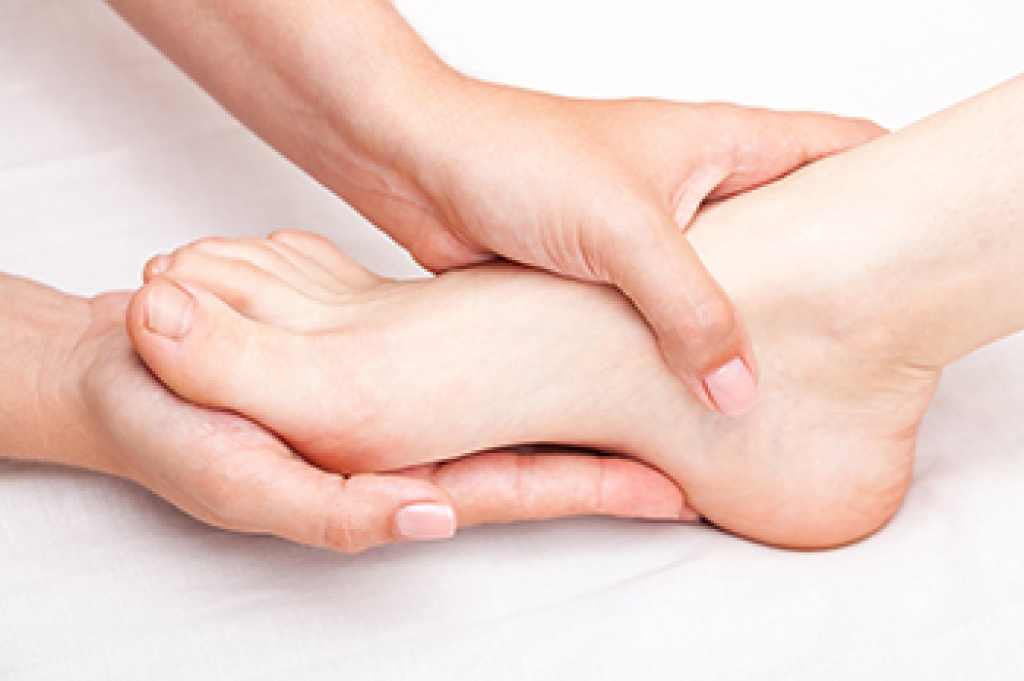 The tibial nerve in the ankle enables movement and feeling in areas of the foot. When this nerve gets compressed, it forms what is known as tarsal tunnel syndrome. This can happen as a result of a sprained ankle, or medical conditions that can include flat feet, high arches, or diabetes. Tarsal tunnel syndrome often causes severe pain and discomfort and is noticeable in the bottom of the foot and toes. Some of the tests that are performed to reach a diagnosis can include a nerve biopsy, and electromyography, which is a recording of electrical activity in the muscles. Treatment options can include resting and elevating the affected foot, and surgery may be recommended that can permanently reduce the pressure. Tarsal tunnel syndrome is diagnosed and treated by a podiatrist, and it is advised to consult with this type of doctor if you think you may have this condition.
Tarsal tunnel syndrome can be very uncomfortable to live with. If you are experiencing tarsal tunnel syndrome, contact James Torhorst, DPM of Torhorst Foot and Ankle. Our doctor can provide the care you need to keep you pain-free and on your feet.
Tarsal Tunnel Syndrome
Tarsal tunnel syndrome, which can also be called tibial nerve dysfunction, is an uncommon condition of misfiring peripheral nerves in the foot. The tibial nerve is the peripheral nerve in the leg responsible for sensation and movement of the foot and calf muscles. In tarsal tunnel syndrome, the tibial nerve is damaged, causing problems with movement and feeling in the foot of the affected leg.
Common Cause of Tarsal Tunnel Syndrome
The Effects of Tarsal Tunnel Syndrome
A physical exam of the leg can help identify the presence of tarsal tunnel syndrome. Medical tests, such as a nerve biopsy, are also used to diagnose the condition. Patients may receive physical therapy and prescriptive medication. In extreme cases, some may require surgery.
If you have any questions please contact our offices located in Waupaca and Stevens Point, WI . We offer the newest diagnostic and treatment technologies for all your foot and ankle needs.
Connect With Us
