When Poor Circulation Affects the Feet

Peripheral artery disease, or PAD, is a circulation condition in which narrowed arteries reduce blood flow to the legs and feet. It is most often caused by plaque buildup related to aging, smoking, diabetes, or high cholesterol. Symptoms include cramping pain with walking, numbness, slow-healing sores, or changes in skin color. The feet may look pale and they can feel weak or painful during activity. A podiatrist can help by starting with a careful examination of pulses, skin condition, and walking tolerance, along with noninvasive testing to evaluate blood flow. Early diagnosis is important to prevent further complications. Treatment may involve foot protection, wound care, footwear guidance, and targeted exercises to encourage circulation and maintain mobility. Ongoing podiatric care supports foot health and helps reduce the risk of infection or tissue damage. If you have peripheral artery disease, it is suggested that you make an appointment with a podiatrist.

Peripheral artery disease can pose a serious risk to your health. It can increase the risk of stroke and heart attack. If you have symptoms of peripheral artery disease, consult with James Torhorst, DPM  from Torhorst Foot and Ankle. Our doctor will assess your condition and provide you with quality foot and ankle treatment.

Peripheral artery disease (PAD) is when arteries are constricted due to plaque (fatty deposits) build-up. This results in less blood flow to the legs and other extremities. The main cause of PAD is atherosclerosis, in which plaque builds up in the arteries.

Symptoms

Symptoms of PAD include:

  • Claudication (leg pain from walking)
  • Numbness in legs
  • Decrease in growth of leg hair and toenails
  • Paleness of the skin
  • Erectile dysfunction
  • Sores and wounds on legs and feet that won’t heal
  • Coldness in one leg

It is important to note that a majority of individuals never show any symptoms of PAD.

Diagnosis

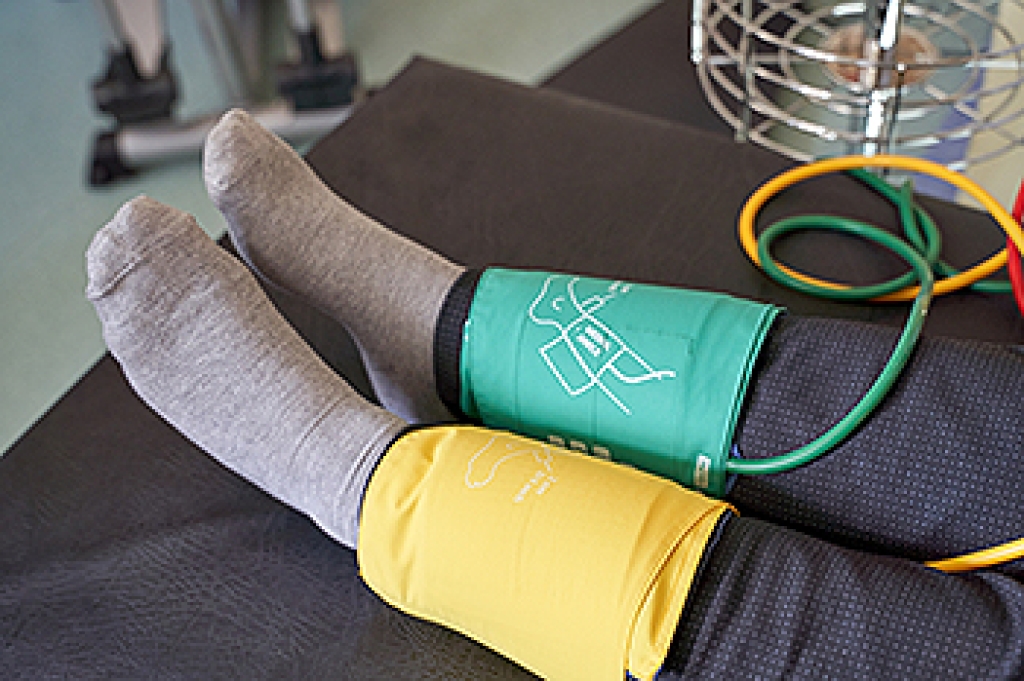
While PAD occurs in the legs and arteries, Podiatrists can diagnose PAD. Podiatrists utilize a test called an ankle-brachial index (ABI). An ABI test compares blood pressure in your arm to you ankle to see if any abnormality occurs. Ultrasound and imaging devices may also be used.

Treatment

Fortunately, lifestyle changes such as maintaining a healthy diet, exercising, managing cholesterol and blood sugar levels, and quitting smoking, can all treat PAD. Medications that prevent clots from occurring can be prescribed. Finally, in some cases, surgery may be recommended.

If you have any questions, please feel free to contact our offices located in Waupaca and Stevens Point, WI . We offer the newest diagnostic and treatment technologies for all your foot care needs.

Read more about Peripheral Artery Disease

High Ankle Sprain Explained

A high ankle sprain is an injury to the ligaments that connect the lower leg bones above the ankle joint, and help stabilize the ankle during movement. These injuries are described as mild, moderate, or severe based on ligament damage and joint stability. High ankle sprains often occur from sudden twisting of the leg, especially during sports or uneven footing. Common symptoms include deep ankle pain, tenderness, swelling, and difficulty bearing weight, which may worsen with walking or rotation. Risk factors include athletic activity, prior ankle injury, wearing poorly fitting footwear, and high-impact movements. A podiatrist can provide an accurate diagnosis, imaging when needed, and a personalized treatment plan that may include bracing therapy or advanced care. If you have ankle pain or feel you may have sprained your ankle, it is suggested that you consult a podiatrist who can provide effective relief and treatment solutions. 

Although ankle sprains are common, they aren’t always minor injuries. If you need your ankle injury looked at, contact James Torhorst, DPM from Torhorst Foot and Ankle. Our doctor can provide the care you need to keep you pain-free and on your feet.

How Does an Ankle Sprain Occur?

Ankle sprains are the result of a tear in the ligaments within the ankle. These injuries may happen when you make a rapid shifting movement while your foot is planted. A less common way to sprain your ankle is when your ankle rolls inward while your foot turns outward.

What Are the Symptoms?

  • Pain at the sight of the tear
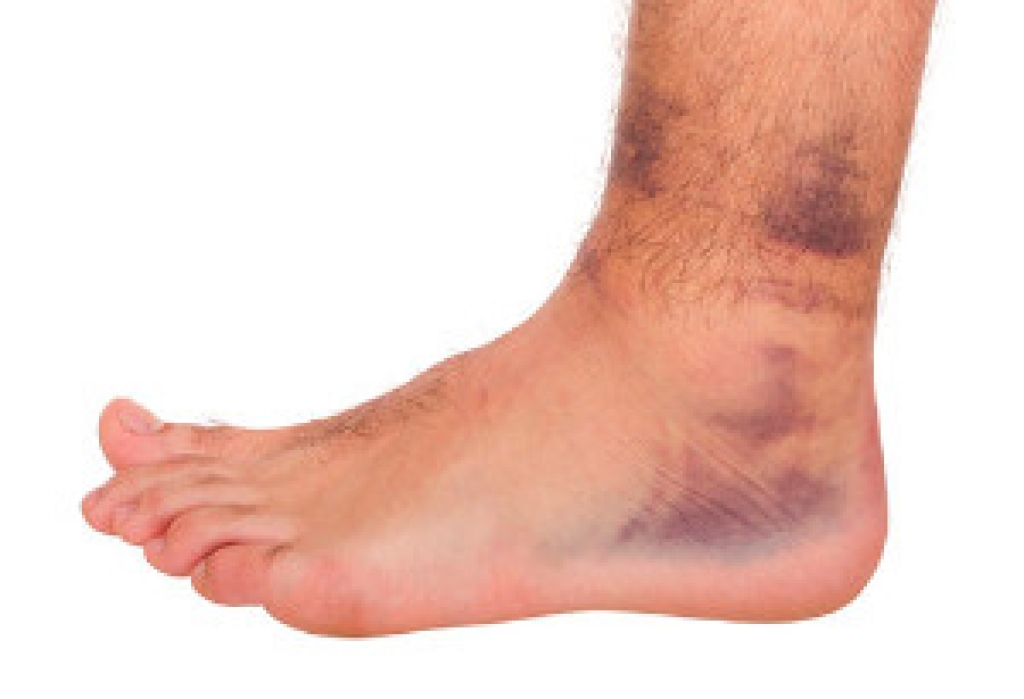
  • Bruising/Swelling
  • Ankle area is tender to touch
  • In severe cases, may hear/feel something tear
  • Skin discoloration

Preventing a Sprain

  • Wearing appropriate shoes for the occasion
  • Stretching before exercises and sports
  • Knowing your limits

Treatment of a Sprain

In many cases, the RICE method (Rest, Ice, Compression, and Elevate) is used to treat ankle sprains. However, you should see a podiatrist to see which treatment option would work best with your injury. In severe cases, surgery may be required.

It is important to ask your doctor about rehab options after you receive treatment for your injury. Stretching, strength training, and balance exercises may help the ankle heal while also preventing further injury.

If you have any questions, please feel free to contact our offices located in Waupaca and Stevens Point, WI . We offer the newest diagnostic and treatment technologies for all your foot care needs.

Read more about Ankle Sprains

Neutral Versus Stability Running Shoes

Neutral and stability running shoes are designed to support different foot types and running mechanics. Neutral running shoes provide even cushioning across the midsole and feature a flexible construction that allows the foot to move naturally, making them ideal for runners with a normal arch and minimal pronation. Stability running shoes, on the other hand, offer a firmer foam on the inner side of the midsole, structured sidewalls, and a broader base to improve balance and control overpronation. Choosing the correct shoe reduces injury risk and improves running efficiency. A podiatrist can evaluate your gait, recommend the most suitable shoe type, and provide custom orthotics, if necessary. If you have developed foot pain, it is suggested that you consult a podiatrist who can treat various foot conditions, and guide you on the correct running shoes to wear.

You should always make sure your running shoes fit properly in order to avoid injury. For more information, contact James Torhorst, DPM from Torhorst Foot and Ankle. Our doctor can provide the care you need to keep you pain-free and on your feet.

Choosing the Right Running Shoe for Your Foot Type

Improper shoe sizing can cause a myriad of problems for your feet. Shoes that don’t fit you properly can lead to muscular imbalances in your body, which can result in foot, knee, and hip injuries.

Tips for Finding the Right Running Shoe

  • Make sure you have a thumb’s width of wiggle room between the end of your longest toe and the front of the shoe.
  • There should be little to no slipping at the heel
  • Don’t assume your size in one shoe brand will be your size in another
  • Do not lace up your shoes too tightly
  • Walk around in the store with your new shoes before you buy them

If you have any questions, please feel free to contact our offices located in Waupaca and Stevens Point, WI . We offer the newest diagnostic and treatment technologies for all your foot care needs.

Read more about Walking Shoes vs. Running Shoes

What Recovery From a Broken Ankle Involves

A broken ankle happens when one or more of the bones that form the ankle joint crack or fully break, often from a twist, fall, or sudden impact. Symptoms include sharp pain, swelling that appears quickly, bruising, and difficulty putting weight on the foot. Some people notice a popping sound at the moment of injury or see that the ankle looks out of place. Because the ankle supports the entire body during walking, even a small fracture can make movement painful and unsteady. Treatment depends on the type of break and may include immobilization, protective boots, or casting to keep the bones stable as they heal. Severe fractures can require surgery to restore proper alignment. A podiatrist can evaluate the injury, order imaging, and guide a safe recovery plan. If your ankle pain began after trauma or you cannot bear weight, it is suggested that you see a podiatrist for effective treatment solutions.

test

Read more about Broken Ankle Causes, Differences, Symptoms and Treatments

Connect With Us