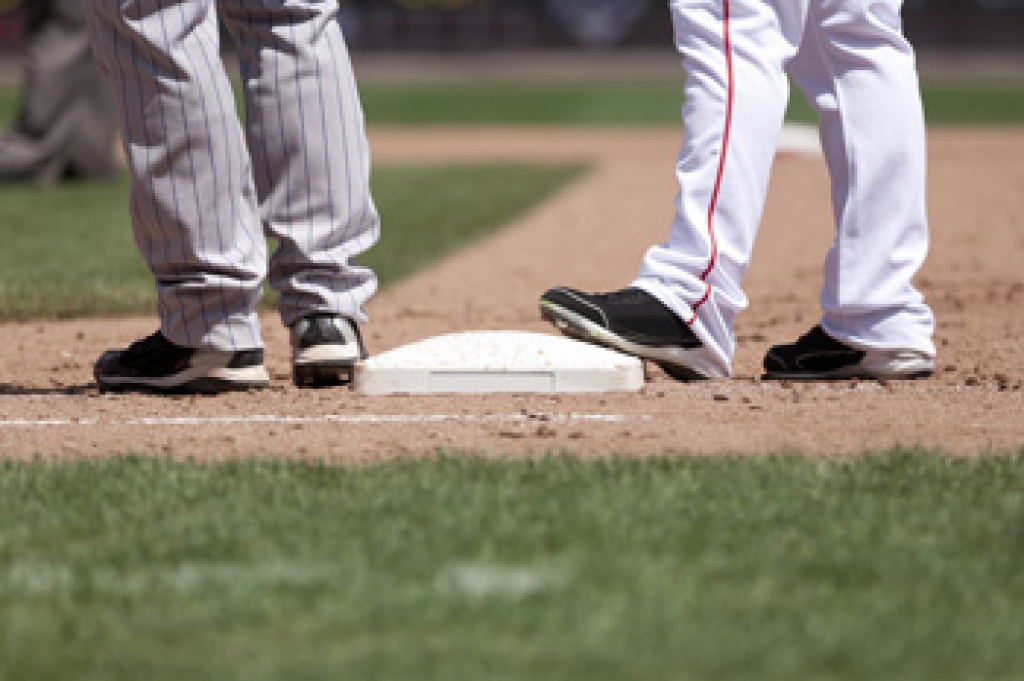
Foot and Ankle Injuries in Baseball

Baseball can take a toll on the feet and ankles, and there are a variety of injuries that can occur.  Ankle sprains are one of the most common injuries that occur while running, sliding or stepping on bases. Overuse or overtraining can result in heel injuries such as plantar fasciitis or Achilles tendinopathy. Baseball cleats can lead to a number of issues as well. Cleats that don’t fit properly can lead to conditions such as hammertoes, bunions, neuromas and aggravate the sesamoid bones. Ingrown toenails are another common issue amongst baseball players. Toenails that are cut too short or at an angle can cause the nail to dig into the skin and become infected. Baseball players who are dealing with pain in their feet or ankles should consult with a podiatrist for a proper diagnosis and treatment.

Sports related foot and ankle injuries require proper treatment before players can go back to their regular routines. For more information, contact James Torhorst, DPM of Torhorst Foot and Ankle. Our doctor can provide the care you need to keep you pain-free and on your feet.

Sports Related Foot and Ankle Injuries

Foot and ankle injuries are a common occurrence when it comes to athletes of any sport. While many athletes dismiss the initial aches and pains, the truth is that ignoring potential foot and ankle injuries can lead to serious problems. As athletes continue to place pressure and strain the area further, a mild injury can turn into something as serious as a rupture and may lead to a permanent disability. There are many factors that contribute to sports related foot and ankle injuries, which include failure to warm up properly, not providing support or wearing bad footwear. Common injuries and conditions athletes face, including:

  • Plantar Fasciitis
  • Achilles Tendinitis
  • Achilles Tendon Rupture
  • Ankle Sprains

Sports related injuries are commonly treated using the RICE method. This includes rest, applying ice to the injured area, compression and elevating the ankle. More serious sprains and injuries may require surgery, which could include arthroscopic and reconstructive surgery. Rehabilitation and therapy may also be required in order to get any recovering athlete to become fully functional again. Any unusual aches and pains an athlete sustains must be evaluated by a licensed, reputable medical professional.

If you have any questions please contact our offices located in Waupaca and Stevens Point, WI . We offer the newest diagnostic and treatment technologies for all your foot and ankle needs.
Read more about Sports Related Foot And Ankle Injuries

Contagious Hand, Foot and Mouth Disease

Excessive blisters on the feet can indicate a condition that is known as hand, foot and mouth disease. It is considered to be a viral infection, and generally affects children ten years and younger. Hand, foot, and mouth disease is a contagious medical condition, and can be passed to other people by coughing, sneezing, or from the fluid that is inside the blisters. Some of the symptoms that are associated with hand, foot and mouth disease can consist of small blisters on the bottom of the feet, and the child can be feverish and tired. Many children can develop a rash, which is generally not itchy. It is beneficial to drink plenty of water daily as this may help to accelerate the healing process. If you notice your child has signs of this condition, it is suggested that you schedule an appointment with a podiatrist who can properly diagnose and offer correct treatment techniques.

The health of a child’s feet is vital to their overall well-being. If you have any questions regarding foot health, contact James Torhorst, DPM of Torhorst Foot and Ankle. Our doctor can provide the care you need to keep you pain-free and on your feet.

Tips for Keeping Children's Feet Healthy

  • Make sure their shoes fit properly
  • Look for any signs of in-toeing or out-toeing
  • Check to see if they have Clubfoot (condition that affects your child’s foot and ankle, twisting the heel and toes inward) which is one of the most common nonmajor birth defects.
  • Lightly cover your baby’s feet (Tight covers may keep your baby from moving their feet freely, and could prevent normal development)
  • Allow your toddler to go shoeless (Shoes can be restricting for a young child’s foot)
  • Cut toenails straight across to avoid ingrown toenails
  • Keep your child’s foot clean and dry
  • Cover cuts and scrapes. Wash any scratches with soap and water and cover them with a bandage until they’ve healed.

If you have any questions, please feel free to contact our offices located in Waupaca and Stevens Point, WI . We offer the newest diagnostic and treatment technologies for all your foot care needs.

Read more about How to Care for Your Child's Feet

Has My Child Broken a Toe?

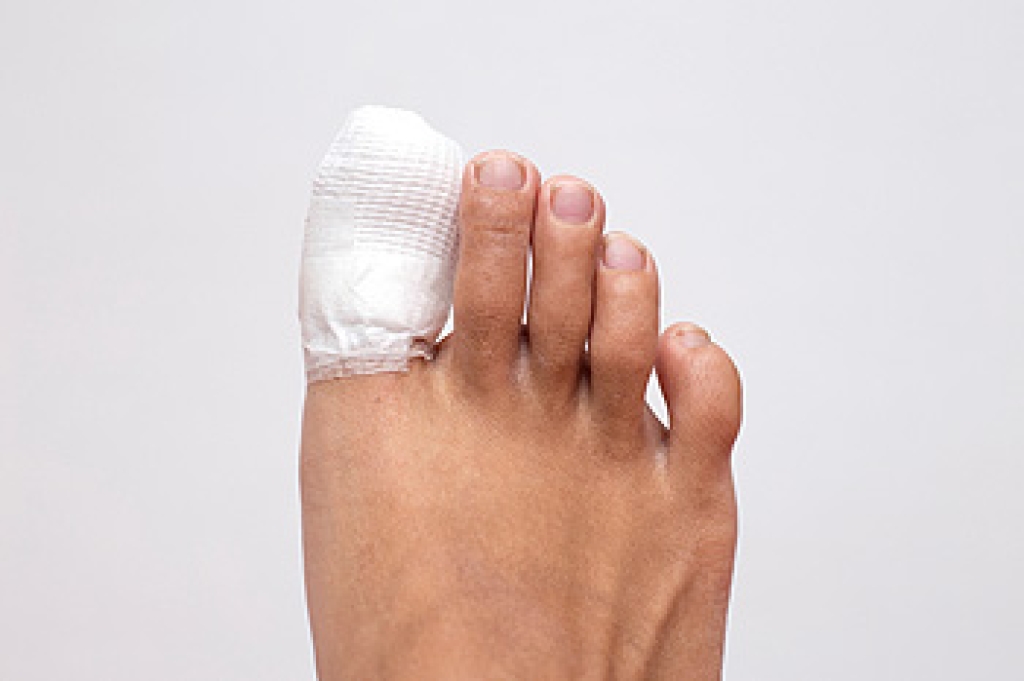
A broken toe is a common injury children can incur that parents have to properly address. It can happen as a result of stubbing the toe into a piece of furniture, or from dropping a heavy object on the toe. If the break is severe, the toe may become dislocated. This is noticeable as the bone protrudes from the toe. Many parents will take their child for an X-ray, and this is helpful in determining if a fracture has occurred. An effective treatment method for mildly broken toes can consist of buddy taping. This is accomplished by taping the affected toe to the toe next to it. This is generally effective in providing the support that is needed as the healing process occurs. Common symptoms of a broken toe can include immediate bruising, and it is often difficult to walk. If your child has broken a toe, it is strongly suggested that you seek the advice of a podiatrist who can make a proper diagnosis and offer effective treatment methods.

Broken toes may cause a lot of pain and should be treated as soon as possible. If you have any concerns about your feet, contact James Torhorst, DPM from Torhorst Foot and Ankle. Our doctor will treat your foot and ankle needs.

What Is a Broken Toe?

A broken toe occurs when one or more of the toe bones of the foot are broken after an injury. Injuries such as stubbing your toe or dropping a heavy object on it may cause a toe fracture.

Symptoms of a Broken Toe

  • Swelling
  • Pain (with/without wearing shoes)
  • Stiffness
  • Nail Injury

Although the injured toe should be monitored daily, it is especially important to have a podiatrist look at your toe if you have severe symptoms. Some of these symptoms include worsening or new pain that is not relieved with medication, sores, redness, or open wounds near the toe.

If you have any questions please feel free to contact our offices located in Waupaca and Stevens Point, WI . We offer the newest diagnostic tools and technology to treat your foot and ankle needs.

Read more about What to Know About a Broken Toe

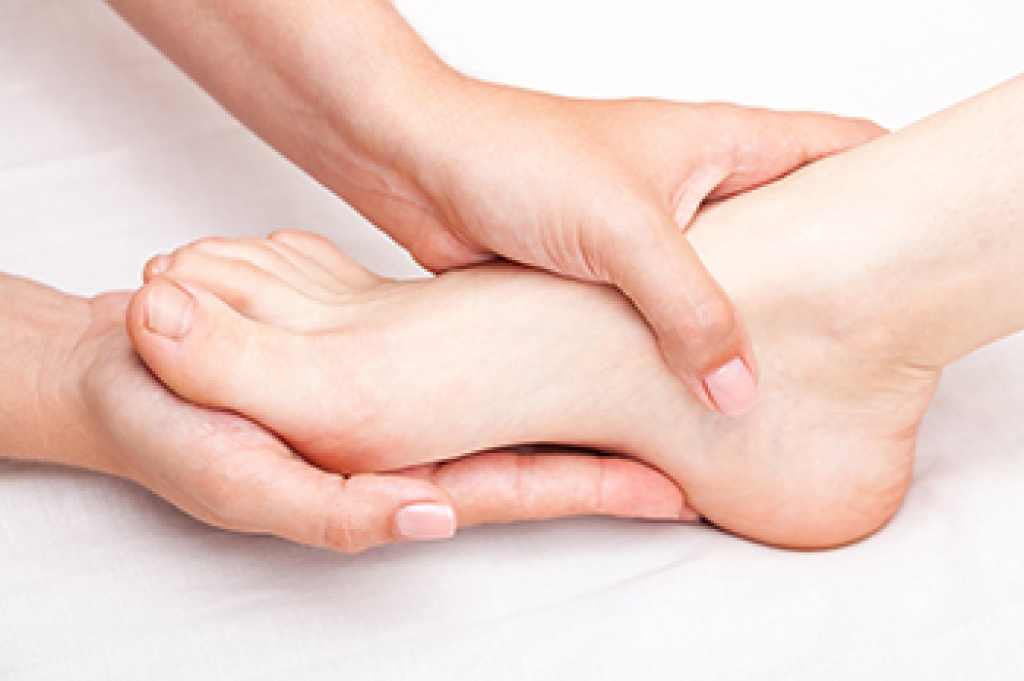
What Are the Symptoms of Tarsal Tunnel Syndrome?

Tarsal tunnel syndrome may not be a commonly known ailment, but have you heard of carpal tunnel syndrome? Carpal tunnel affects the hands while tarsal tunnel syndrome occurs in the feet and can cause pain and discomfort. Research has indicated that people who have arthritis may be prone to developing this condition, in addition to frequently enduring high-stress activities. Some of the symptoms that are associated with this ailment often include tired feet and ankles, and the overall foot may be numb or have tingling sensations. Some patients have pain in the Achilles tendon area, and the ankles may appear swollen. There are several symptoms that can be associated with tarsal tunnel syndrome so it is strongly suggested that you consult with a podiatrist when they first develop. This type of doctor can properly diagnose and effectively treat this condition.

Tarsal tunnel syndrome can be very uncomfortable to live with. If you are experiencing tarsal tunnel syndrome, contact James Torhorst, DPM of Torhorst Foot and Ankle. Our doctor can provide the care you need to keep you pain-free and on your feet.

Tarsal Tunnel Syndrome

Tarsal tunnel syndrome, which can also be called tibial nerve dysfunction, is an uncommon condition of misfiring peripheral nerves in the foot. The tibial nerve is the peripheral nerve in the leg responsible for sensation and movement of the foot and calf muscles. In tarsal tunnel syndrome, the tibial nerve is damaged, causing problems with movement and feeling in the foot of the affected leg.

Common Cause of Tarsal Tunnel Syndrome

  • Involves pressure or an injury, direct pressure on the tibial nerve for an extended period of time, sometimes caused by other body structures close by or near the knee.
  • Diseases that damage nerves, including diabetes, may cause tarsal tunnel syndrome.
  • At times, tarsal tunnel syndrome can appear without an obvious cause in some cases.

The Effects of Tarsal Tunnel Syndrome

  • Different sensations, an afflicted person may experience pain, tingling, burning or other unusual sensations in the foot of the affected leg.
  • The foot muscles, toes and ankle become weaker, and curling your toes or flexing your foot can become difficult.
  • If condition worsens, infections and ulcers may develop on the foot that is experiencing the syndrome.

A physical exam of the leg can help identify the presence of tarsal tunnel syndrome. Medical tests, such as a nerve biopsy, are also used to diagnose the condition. Patients may receive physical therapy and prescriptive medication. In extreme cases, some may require surgery.

If you have any questions please contact our offices located in Waupaca and Stevens Point, WI . We offer the newest diagnostic and treatment technologies for all your foot and ankle needs.
Read more about Tarsal Tunnel Syndrome

Are Bunions Affecting Your Everyday Life?

Have you noticed a bony protrusion on the side of your big toe? If so, you may have developed the foot condition known as a bunion. Don't let bunions interfere with your daily activities.

Connect With Us