How Do Stress Fractures Occur?

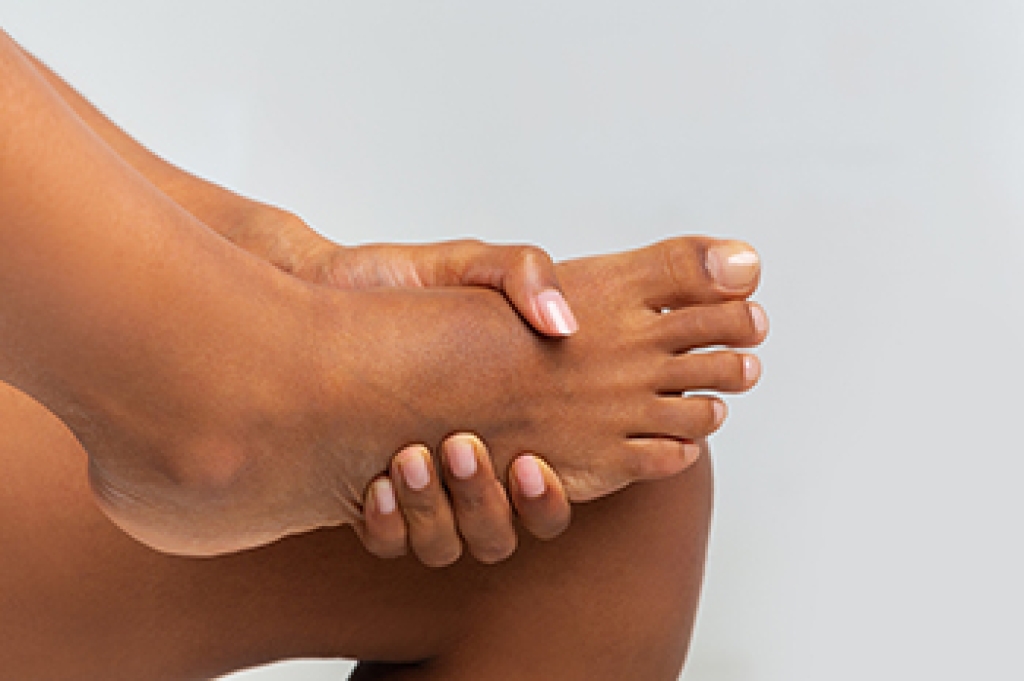
The bones in the foot that connect the ankle to the toes are referred to as the metatarsal bones. A stress fracture can occur when one or more of these bones undergo extreme stress from frequently running or jogging. It can also happen from increasing speed and distance too quickly, and not warming up or cooling down properly before and after running. The pain that stress fractures can cause may expand over the entire foot, and it can feel better when the affected foot is rested. An X-ray is an effective method that can obtain a proper diagnosis, and this is successful in determining the severity of the stress fracture. Once this happens, proper treatment can begin. It generally takes approximately four to twelve weeks for this type of fracture to completely heal, and a special shoe may be worn, which can provide optimum support. It is important to temporarily stop the activity that caused the fracture, which will typically accelerate the healing process. If you have endured a stress fracture, please consult with a podiatrist as quickly as possible who can determine what the best course of treatment is for you. 

Activities where too much pressure is put on the feet can cause stress fractures. To learn more, contact James Torhorst, DPM from Torhorst Foot and Ankle. Our doctor can provide the care you need to keep your pain free and on your feet.

Dealing with Stress Fractures of the Foot and Ankle

Stress fractures occur in the foot and ankle when muscles in these areas weaken from too much or too little use.  The feet and ankles then lose support when walking or running from the impact of the ground. Since there is no protection, the bones receive the full impact of each step. Stress on the feet can cause cracks to form in the bones, thus creating stress fractures.

What Are Stress Fractures?

Stress fractures occur frequently in individuals whose daily activities cause great impact on the feet and ankles. Stress factors are most common among:

  • Runners                                
  • People affected with Osteoporosis
  • Tennis or basketball players
  • Gymnasts
  • High impact workouts

Symptoms

Pain from the fractures occur in the area of the fractures and can be constant or intermittent. It will often cause sharp or dull pain with swelling and tenderness. Engaging in any kind of activity which involves high impact will aggravate pain.

If you have any questions please contact our offices located in Waupaca and Stevens Point, WI . We offer the newest diagnostic and treatment technologies for all your foot and ankle needs.

Read more about Dealing with Stress Fractures of the Foot and Ankle

Heel Pain Can Be Treated!

Do you suffer from heel pain when you get up in the morning? If so, you should seek professional help and have a proper diagnosis performed. Heel pain can be caused by several different foot-related conditions.

Swollen Feet and Sitting

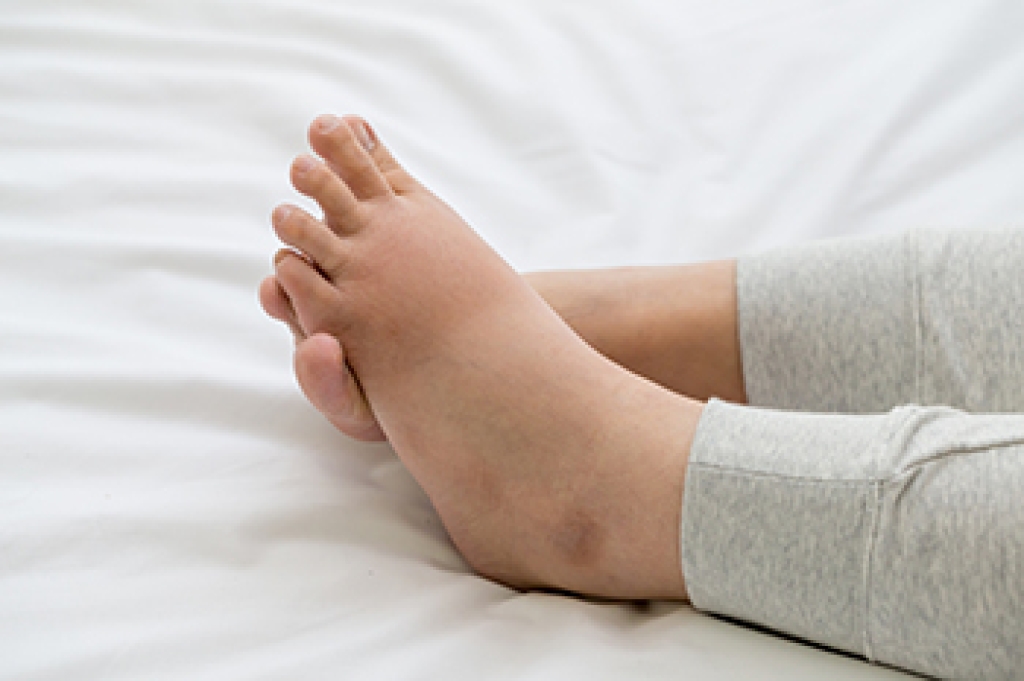
The feet are resilient, yet delicate, parts of the human body. Without properly caring for them, we may be making our feet susceptible to a number of potentially harmful or uncomfortable foot afflictions. Swelling of the feet is one such affliction of the foot. When the feet swell, an individual might feel discomfort as the feet increase in size due to possible accumulation of fluids. One often overlooked cause of swollen feet is sitting for long durations of time. If you are the kind of person that, due to your job or lifestyle restrictions, must spend extended periods of time sitting down, there are steps you might take to mitigate foot swelling. For example, you might try to take breaks to move about while you are sitting or to perform leg extensions or knee lifts while sitting to facilitate blood circulation. For more information about swollen feet and sitting, contact a podiatrist today.

Swollen feet can be a sign of an underlying condition. If you have any concerns, contact James Torhorst, DPM of Torhorst Foot and Ankle. Our doctor can provide the care you need to keep you pain-free and on your feet.

Swollen feet are a common ailment among pregnant women and people who stand or sit for extended periods. Aging may increase the possibility of swollen feet and patients who are obese often notice when their feet are swelling too. There may be medical reasons why swollen feet occur:

  • Phlebitis - A condition that causes the veins to become inflamed and can also cause leg pain.
  • Liver disease - This may lead to low blood levels of albumin which is a protein. This can cause fluid in the blood to pass into the tissues and several areas of the body can become swollen.
  • Heart failure - When the heart doesn’t pump properly the blood that is normally pumped back to the heart can pool in the veins of the legs causing swollen feet.
  • Kidney disease - One of the main functions of the kidneys is releasing excess fluid in the body. This type of condition can make it difficult for the kidneys to function properly, and as a result the feet may become swollen.
  • Deep-vein thrombosis (DVT)- This is a serious condition where blood clots form in the veins of the legs. They can block the return of blood from the legs to the heart which may cause the feet to swell. It is important to be treated by a podiatrist if this condition is present.

Swollen feet can also be caused by bone and tendon conditions, including fractures, arthritis, and tendinitis. Additionally, there may be skin and toenail conditions and an infection may cause the feet to swell. Patients who take medicine to treat high blood pressure may be prone to getting swollen feet. 

Many patients elevate their feet to help relieve the swelling and this is generally a temporary remedy. When a podiatrist is consulted the reason behind the swelling can be uncovered and subsequently treated.

If you have any questions please contact our offices located in Waupaca and Stevens Point, WI . We offer the newest diagnostic and treatment technologies for all your foot and ankle needs.

Read more about Swelling of the Feet

What Does Sesamoiditis Feel Like?

Sesamoiditis is a foot condition that you might have heard of. It can occur in an individual when the two small sesamoid bones in the ball of the foot become inflamed. Interestingly, these two bones do not directly connect to any other bones. Rather, the sesamoid bones connect to tendons and muscles. When an individual has sesamoiditis, they may feel any number of symptoms. Most commonly, a patient might feel some kind of pain in the forefoot. This pain may be especially pronounced when putting weight on the feet. Additionally, a patient with sesamoiditis may unintentionally shift the weight of their body to the outside of their feet to avoid putting weight on the sesamoids when walking. These are just some of the many different symptoms that patients with sesamoiditis might demonstrate. Contact your podiatrist today for more information. 

Sesamoiditis is an unpleasant foot condition characterized by pain in the balls of the feet. If you think you’re struggling with sesamoiditis, contact James Torhorst, DPM of Torhorst Foot and Ankle. Our doctor will treat your condition thoroughly and effectively.

Sesamoiditis

Sesamoiditis is a condition of the foot that affects the ball of the foot. It is more common in younger people than it is in older people. It can also occur with people who have begun a new exercise program, since their bodies are adjusting to the new physical regimen. Pain may also be caused by the inflammation of tendons surrounding the bones. It is important to seek treatment in its early stages because if you ignore the pain, this condition can lead to more serious problems such as severe irritation and bone fractures.

Causes of Sesamoiditis

  • Sudden increase in activity
  • Increase in physically strenuous movement without a proper warm up or build up
  • Foot structure: those who have smaller, bonier feet or those with a high arch may be more susceptible

Treatment for sesamoiditis is non-invasive and simple. Doctors may recommend a strict rest period where the patient forgoes most physical activity. This will help give the patient time to heal their feet through limited activity. For serious cases, it is best to speak with your doctor to determine a treatment option that will help your specific needs.

If you have any questions, please feel free to contact our offices located in Waupaca and Stevens Point, WI . We offer the newest diagnostic and treatment technologies for all your foot care needs.

Read more about Sesamoiditis

Blisters on the Bottom of the Feet

Blisters that form on the bottom of the feet can take the joy out of running, exercising, and participating in sporting activities. Blisters are common among athletes. So many seek to know their cause and how to care for them. A blister typically forms due to excessive friction from wearing shoes and socks that do not fit correctly. A bubble filled with liquid will form and remain that way until the raw skin underneath it has healed. Blisters on the bottom of the foot may heal faster when a gauze bandage is applied. The bandage can also provide the protection needed to avoid premature popping. Elevating the foot at the end of the day may be beneficial, as well as removing the bandage to allow air to reach the blister. Soaking the feet in warm water may help keep the blister clean, which can help to prevent an infection from developing. Blisters on the bottom of the feet can be bothersome, so if you are afflicted with one or more, please consult a podiatrist who can guide you toward the correct treatment.

Blisters are prone to making everyday activities extremely uncomfortable. If your feet are hurting, contact James Torhorst, DPM of Torhorst Foot and Ankle. Our doctor can provide the care you need to keep you pain-free and on your feet.

Foot Blisters

Foot blisters develop as a result of constantly wearing tight or ill-fitting footwear. This happens due to the constant rubbing from the shoe, which can often lead to pain.

What Are Foot Blisters?

A foot blister is a small fluid-filled pocket that forms on the upper-most layer of the skin. Blisters are filled with clear fluid and can lead to blood drainage or pus if the area becomes infected.

How Do Blisters Form?

Blisters on the feet are often the result of constant friction of skin and material, usually by shoe rubbing. Walking in sandals, boots, or shoes that don’t fit properly for long periods of time can result in a blister. Having consistent foot moisture and humidity can easily lead to blister formation.

Prevention & Treatment

It is important to properly care for the affected area in order to prevent infection and ease the pain. Do not lance the blister and use a Band-Aid to provide pain relief. Also, be sure to keep your feet dry and wear proper fitting shoes. If you see blood or pus in a blister, seek assistance from a podiatrist.

If you have any questions, please feel free to contact our offices located in Waupaca and Stevens Point, WI . We offer the newest diagnostic and treatment technologies for all your foot care needs.

Read more about Blisters

Connect With Us