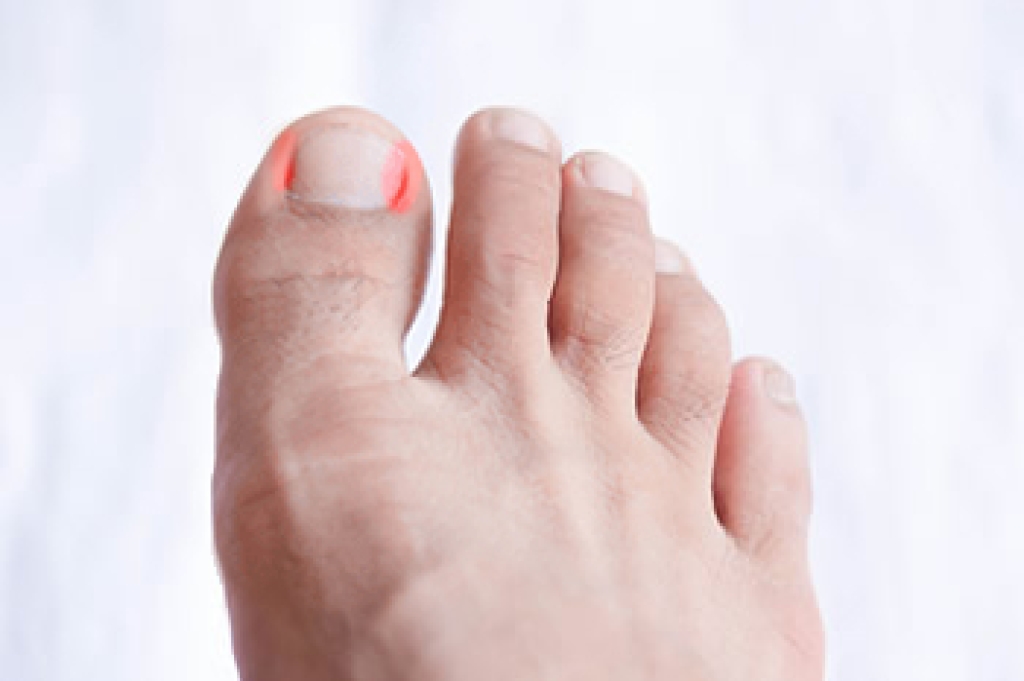
Older People May Be Prone to Getting Ingrown Toenails

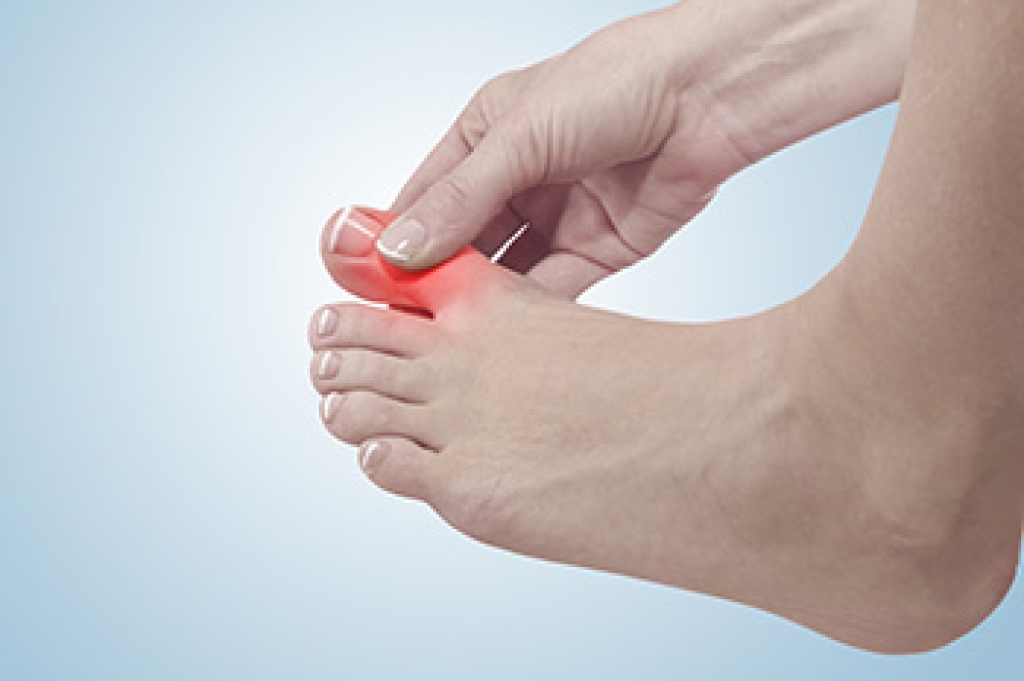
There is no mistaking when an ingrown toenail develops. It is often noticed when the nail grows into the skin instead of over it. If prompt medical attention is not received, it may ooze a discharge, and become infected. An ingrown toenail can happen for various reasons. Trimming the toenails incorrectly is a common reason, in addition to wearing shoes that are too tight. Older people may frequently get ingrown toenails, possibly as a result of having poor eyesight, or not being able to reach their toes. Some people find mild relief when they soak their feet in warm water, followed by gently pulling the skin away from the nail. This is a temporary solution, and the skin will often return to the way it was before the feet were soaked. A bandage may have to be worn over the tender skin for protection until professional medical attention is sought. If you have developed this condition, it is strongly suggested that you see a podiatrist sooner rather than later who can effectively treat an ingrown toenail. 

Ingrown toenails may initially present themselves as a minor discomfort, but they may progress into an infection in the skin without proper treatment. For more information about ingrown toenails, contact James Torhorst, DPM of Torhorst Foot and Ankle. Our doctor can provide the care you need to keep you pain-free and on your feet.

Ingrown Toenails

Ingrown toenails are caused when the corner or side of a toenail grows into the soft flesh surrounding it. They often result in redness, swelling, pain, and in some cases, infection. This condition typically affects the big toe and may recur if it is not treated properly.

Causes

  • Improper toenail trimming
  • Genetics
  • Improper shoe fitting
  • Injury from pedicures or nail picking
  • Abnormal gait
  • Poor hygiene

You are more likely to develop an ingrown toenail if you are obese, have diabetes, arthritis, or have any fungal infection in your nails. Additionally, people who have foot or toe deformities are at a higher risk of developing an ingrown toenail.

Symptoms

Some symptoms of ingrown toenails are redness, swelling, and pain. In rare cases, there may be a yellowish drainage coming from the nail.

Treatment

Ignoring an ingrown toenail can have serious complications. Infections of the nail border can progress to a deeper soft-tissue infection, which can then turn into a bone infection. You should always speak with your podiatrist if you suspect you have an ingrown toenail, especially if you have diabetes or poor circulation.

If you have any questions, please feel free to contact our offices located in Waupaca and Stevens Point, WI . We offer the newest diagnostic and treatment technologies for all your foot care needs.
Read more about Ingrown Toenails

Reminder: When Was the Last Time...?

Custom orthotics, or shoe inserts, should be periodically replaced. Orthotics must fit properly to give you the best results. Protect your feet and ankles!

Symptoms of Poor Circulation

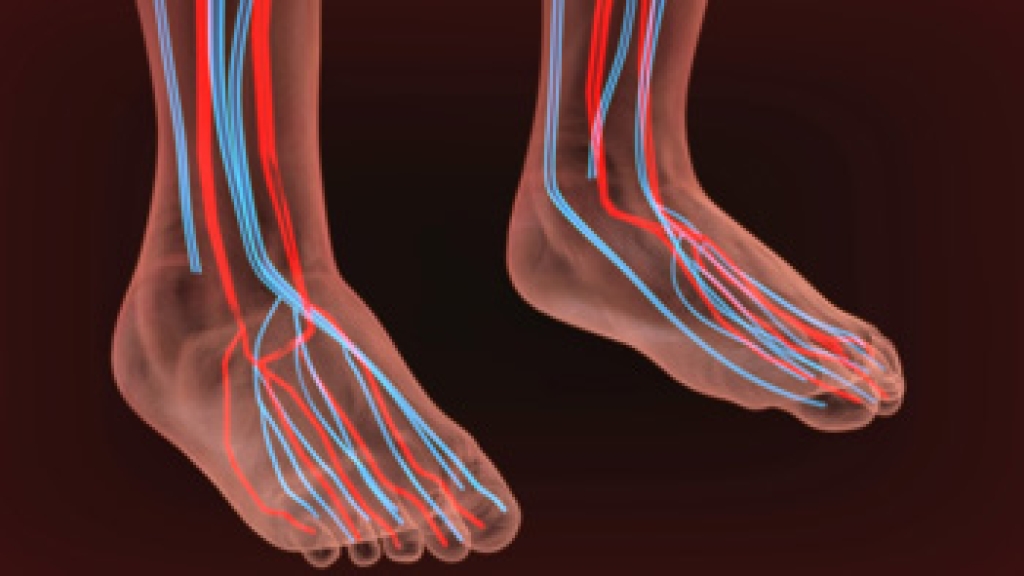
A common sign of poor circulation is cold feet. Additionally, some patients feel a numbing or tingling sensation, and may have hair loss on the legs. Poor circulation can cause cracked heels, wounds to heal slower, and toenails may become weakened. This condition may be a symptom of underlying medical conditions, including diabetes, arteriosclerosis, or peripheral artery disease, and specific risk factors may precede these conditions. These can consist of smoking, having high blood pressure or cholesterol, and becoming physically inactive. Research has shown that poor circulation may be improved by having frequent massages, wearing compression socks or stockings, and practicing relaxation techniques. Poor circulation of the feet can cause difficulty in completing daily activities. If you are afflicted with this ailment, please consult a podiatrist for an effective diagnosis and treatment program.

Poor circulation is a serious condition and needs immediate medical attention. If you have any concerns with poor circulation in your feet contact James Torhorst, DPM of Torhorst Foot and Ankle. Our doctor will treat your foot and ankle needs.

Poor Circulation in the Feet

Poor blood circulation in the feet and legs is can be caused by peripheral artery disease (PAD), which is the result of a buildup of plaque in the arteries.

Plaque buildup or atherosclerosis results from excess calcium and cholesterol in the bloodstream. This can restrict the amount of blood which can flow through the arteries. Poor blood circulation in the feet and legs are sometimes caused by inflammation in the blood vessels, known as vasculitis.

Causes

Lack of oxygen and oxygen from poor blood circulation restricts muscle growth and development. It can also cause:

  • Muscle pain, stiffness, or weakness 
  • Numbness or cramping in the legs
  • Skin discoloration
  • Slower nail & hair growth
  • Erectile dysfunction

Those who have diabetes or smoke are at greatest risk for poor circulation, as are those who are over 50. If you have poor circulation in the feet and legs it may be caused by PAD and is important to make changes to your lifestyle in order to reduce risk of getting a heart attack or stroke. Exercise and maintaining a healthy lifestyle will dramatically improve conditions.

As always, see a podiatrist as he or she will assist in finding a regimen that suits you. A podiatrist can also prescribe you any needed medication. 

If you have any questions, please feel free to contact our offices located in Waupaca and Stevens Point, WI . We offer the newest diagnostic and treatment technologies for all your foot care needs.
Read more about Causes, Symptoms, and Treatment of Poor Blood Circulation in the Feet

Reasons Why Cuboid Syndrome Can Occur

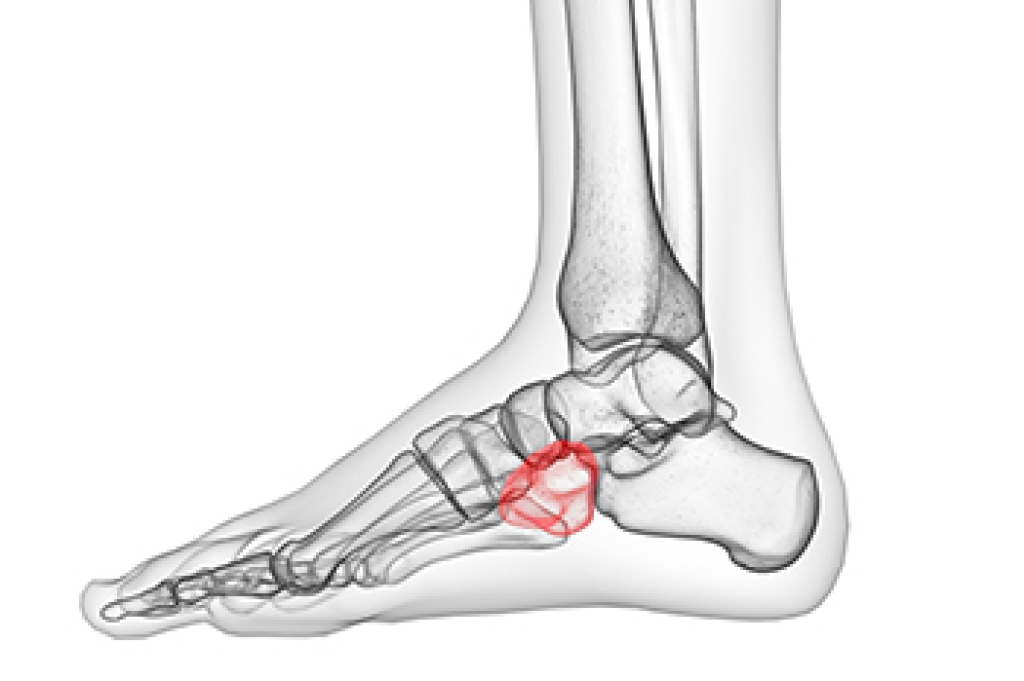
The foot condition known as cuboid syndrome is considered to be a partial dislocation of the cuboid bone. It is one of seven tarsal bones that are above the ankle on the outside of the foot, and it may move out of alignment between the heel and cuboid bone. This foot condition can occur after an ankle sprain has happened, or excess pressure for other reasons may cause cuboid syndrome. Additionally, weakened foot muscles may literally buckle under exertion, possibly causing this syndrome to occur. Many patients choose to have their cuboid bone manipulated back into alignment, or to have their foot taped to hold the bone in place. The foot can become stronger when specific exercises and stretches are performed, which may help to prevent future bouts with cuboid syndrome. If you have developed this condition, it is suggested that you consult a podiatrist as quickly as possible who can begin the correct treatment method for you.

Cuboid syndrome, also known as cuboid subluxation, occurs when the joints and ligaments near the cuboid bone in the foot become torn. If you have cuboid syndrome, consult with James Torhorst, DPM  from Torhorst Foot and Ankle. Our doctor will assess your condition and provide you with quality foot and ankle treatment.

Cuboid syndrome is a common cause of lateral foot pain, which is pain on the outside of the foot. The condition may happen suddenly due to an ankle sprain, or it may develop slowly overtime from repetitive tension through the bone and surrounding structures.

Causes

The most common causes of cuboid syndrome include:

  • Injury – The most common cause of this ailment is an ankle sprain.
  • Repetitive Strain – Tension placed through the peroneus longus muscle from repetitive activities such as jumping and running may cause excessive traction on the bone causing it to sublux.
  • Altered Foot Biomechanics – Most people suffering from cuboid subluxation have flat feet.

Symptoms

A common symptom of cuboid syndrome is pain along the outside of the foot which can be felt in the ankle and toes. This pain may create walking difficulties and may cause those with the condition to walk with a limp.

Diagnosis

Diagnosis of cuboid syndrome is often difficult, and it is often misdiagnosed. X-rays, MRIs and CT scans often fail to properly show the cuboid subluxation. Although there isn’t a specific test used to diagnose cuboid syndrome, your podiatrist will usually check if pain is felt while pressing firmly on the cuboid bone of your foot.

Treatment

Just as the range of causes varies widely, so do treatments. Some more common treatments are ice therapy, rest, exercise, taping, and orthotics.

If you have any questions, please feel free to contact our offices located in Waupaca and Stevens Point, WI . We offer the newest diagnostic and treatment technologies for all your foot care needs.
Read more about Cuboid Syndrome

Gout and Coffee

Many individuals across the country start their day with a hot cup of coffee. Fewer people, however, are aware of the interesting connection that coffee has with a foot condition known as gout. Gout is a particular kind of arthritis that primarily affects the big toe joint. Among people who do not already have gout, some individuals who consistently drank coffee over time experienced low risks of gout. However, among those who do already suffer from gout, sporadically drinking coffee might make you more susceptible to experiencing gout attacks. Therefore, coffee has an interesting, yet not immediately intuitive connection to one’s susceptibility to gout. If you have gout or want to learn more about its connection to coffee, contact a podiatrist today.

Gout is a foot condition that requires certain treatment and care. If you are seeking treatment, contact James Torhorst, DPM from Torhorst Foot and Ankle. Our doctor will treat your foot and ankle needs.

What Is Gout?

Gout is a type of arthritis caused by a buildup of uric acid in the bloodstream. It often develops in the foot, especially the big toe area, although it can manifest in other parts of the body as well. Gout can make walking and standing very painful and is especially common in diabetics and the obese.

People typically get gout because of a poor diet. Genetic predisposition is also a factor. The children of parents who have had gout frequently have a chance of developing it themselves.

Gout can easily be identified by redness and inflammation of the big toe and the surrounding areas of the foot. Other symptoms include extreme fatigue, joint pain, and running high fevers. Sometimes corticosteroid drugs can be prescribed to treat gout, but the best way to combat this disease is to get more exercise and eat a better diet.

If you have any questions, please feel free to contact our offices located in Waupaca and Stevens Point, WI . We offer the newest diagnostic and treatment technologies for all your foot care needs.

Read more about Gout

Connect With Us