
Causes and Treatment of Plantar Fasciitis

The plantar fascia is a strong band of tissue that runs along the bottom of the foot and helps support the arch. A sharp pain near the heel with the first morning steps can be a sign of plantar fasciitis. This painful  condition usually causes a sharp or aching pain near the heel. Pain is frequently strongest with the first steps after getting out of bed or standing after a long rest. It can ease after a few minutes of movement, but return after activity. Some patients also notice stiffness or tenderness along the bottom of the foot.

Repeated strain can place too much stress on the plantar fascia. Risk factors include a sudden increase in exercise, long hours spent standing, and tight calf muscles. Flat feet or high arches can also change how pressure moves through the foot. Other possible causes include excess body weight and shoes that lack proper support. Runners, dancers, and workers who spend time on hard floors can be more likely to develop symptoms. Because several problems can cause similar heel pain, an accurate diagnosis is important before treatment begins.

A podiatrist can examine the foot, review when the pain occurs, and check the patient's range of motion. X-rays or other imaging tests can help rule out a fracture, arthritis, or another cause of heel pain. Treatment by a podiatrist includes custom orthotics, supportive shoe recommendations, and a guided stretching program. This foot doctor may also suggest wearing a night splint or temporary walking boot to reduce strain. Surgery is rarely required, but it can be considered for severe pain that continues despite other care. Early evaluation can help prevent the pain from limiting work, exercise, and everyday movement. It can also support a safer return to activity. If you have symptoms of plantar fasciitis, it is suggested that you schedule an appointment with a podiatrist for effective relief and treatment solutions.

Plantar fasciitis can be very painful and inconvenient. If you are experiencing heel pain or symptoms of plantar fasciitis, contact James Torhorst, DPM  from Torhorst Foot and Ankle. Our doctor can provide the care you need to keep you pain-free and on your feet.

What Is Plantar Fasciitis?

Plantar fasciitis is the inflammation of the thick band of tissue that runs along the bottom of your foot, known as the plantar fascia, and causes mild to severe heel pain.

What Causes Plantar Fasciitis?

  • Excessive running
  • Non-supportive shoes
  • Overpronation
  • Repeated stretching and tearing of the plantar fascia

How Can It Be Treated?

  • Conservative measures – anti-inflammatories, ice packs, stretching exercises, physical therapy, orthotic devices
  • Shockwave therapy – sound waves are sent to the affected area to facilitate healing and are usually used for chronic cases of plantar fasciitis
  • Surgery – usually only used as a last resort when all else fails. The plantar fascia can be surgically detached from the heel

While very treatable, plantar fasciitis is definitely not something that should be ignored. Especially in severe cases, speaking to your doctor right away is highly recommended to avoid complications and severe heel pain. Your podiatrist can work with you to provide the appropriate treatment options tailored to your condition.

If you have any questions, please feel free to contact our offices located in Waupaca and Stevens Point, WI . We offer the newest diagnostic and treatment technologies for all your foot care needs.


Read more about Plantar Fasciitis

Common Foot and Ankle Injuries After Workplace Falls

Falling at work can injure the feet and ankles through sudden twisting, impact, or excessive force. A workplace fall may affect bones, ligaments, or nerves. Symptoms can include pain, swelling, and difficulty bearing weight. Some injuries appear immediately, while others become more painful as inflammation develops. Even when a person can still walk, an injury may require professional evaluation.

Ankle sprains are common after a fall and occur when ligaments supporting the joint are stretched or torn. Fractures happen when bones crack or break from impact, twisting, or compression. Achilles tendon injuries affect the strong tendon connecting the calf muscles to the heel and can range from irritation to a complete rupture. Additionally, nerve injuries may cause numbness, tingling, burning, or changes in sensation around the foot or ankle.


Workplace risks include wet floors, uneven surfaces, and poor lighting. Employees who climb stairs, work at heights, or carry materials may face additional fall hazards. Previous injuries can also increase risk because the foot or ankle may have reduced strength, flexibility, or stability. Recognizing hazards and reporting unsafe conditions can help reduce preventable workplace injuries.


A podiatrist evaluates the injury by reviewing the accident and examining the foot and ankle. The assessment may include checking circulation, sensation, and joint stability. Imaging can help identify fractures or significant soft-tissue damage. Treatment may include wearing protective footwear, bracing, and activity modification, depending on the diagnosis. Follow-up appointments allow the podiatrist to monitor healing and adjust care as needed. If you have suffered a foot injury after falling at work, it is suggested that you consult a podiatrist for an accurate diagnosis and appropriate treatment.

Preventing falls among the elderly is very important. If you are older and have fallen or fear that you are prone to falling, consult with James Torhorst, DPM from Torhorst Foot and Ankle. Our doctor will assess your condition and provide you with quality advice and care.

Every 11 seconds, an elderly American is being treated in an emergency room for a fall related injury. Falls are the leading cause of head and hip injuries for those 65 and older. Due to decreases in strength, balance, senses, and lack of awareness, elderly persons are very susceptible to falling. Thankfully, there are a number of things older persons can do to prevent falls.

How to Prevent Falls

Some effective methods that older persons can do to prevent falls include:

  • Enrolling in strength and balance exercise program to increase balance and strength
  • Periodically having your sight and hearing checked
  • Discuss any medications you have with a doctor to see if it increases the risk of falling
  • Clearing the house of falling hazards and installing devices like grab bars and railings
  • Utilizing a walker or cane
  • Wearing shoes that provide good support and cushioning
  • Talking to family members about falling and increasing awareness

Falling can be a traumatic and embarrassing experience for elderly persons; this can make them less willing to leave the house, and less willing to talk to someone about their fears of falling. Doing such things, however, will increase the likelihood of tripping or losing one’s balance. Knowing the causes of falling and how to prevent them is the best way to mitigate the risk of serious injury.  

If you have any questions, please feel free to contact our offices located in Waupaca and Stevens Point, WI . We offer the newest diagnostic and treatment technologies for all your foot care needs.
Read more about Falls Prevention

Common Causes of Painful Foot Cramps

Foot cramps are sudden, painful muscle contractions that can affect the toes or arches. A cramp may cause muscles to tighten without warning, making movement difficult. Foot cramps can last seconds or several minutes. Occasional cramps may be harmless, but frequent episodes can interfere with walking, exercise, and sleep. Understanding causes can help reduce triggers and protect your feet.

Dehydration is a common cause of foot cramps because fluid loss can affect muscle function. Physical activity may also trigger cramping when muscles become tired or are used more than usual. Wearing wrong footwear can place unusual pressure on the feet and contribute to muscle fatigue. Additionally, pregnancy can increase the likelihood of cramps because the body undergoes physical changes and carries additional weight. Risk factors may include prolonged standing and muscle strain. Paying attention to patterns can help identify triggers.


Symptoms usually include sudden tightening, sharp pain, and temporary difficulty moving the affected foot. A podiatrist can evaluate recurring foot cramps by reviewing your symptoms, activity level, and health history. The examination may assess muscle function, foot structure, and flexibility. A podiatrist may recommend hydration, stretching, or changes to activity. Treatment focuses on the underlying cause and may include physical therapy or orthotics when appropriate. Follow-up care can help determine whether symptoms improve.


You can help reduce foot cramps by drinking enough fluids, choosing properly-fitted shoes, and increasing physical activity. Gentle stretching may help prepare the muscles. If cramps occur frequently, become severe, or continue despite changes, a podiatric evaluation is important. A podiatrist can determine whether another foot problem or health condition contributes to your symptoms. If you have foot cramps, it is suggested that you consult a podiatrist for effective relief and prevention solutions.

Foot Pain

Foot pain can be extremely painful and debilitating. If you have a foot pain, consult with James Torhorst, DPM  from Torhorst Foot and Ankle. Our doctor will assess your condition and provide you with quality foot and ankle treatment.

Causes

Foot pain is a very broad condition that could be caused by one or more ailments. The most common include:

  • Bunions
  • Hammertoes
  • Plantar Fasciitis
  • Bone Spurs
  • Corns
  • Tarsal Tunnel Syndrome
  • Ingrown Toenails
  • Arthritis (such as Gout, Rheumatoid, and Osteoarthritis)
  • Flat Feet
  • Injury (from stress fractures, broken toe, foot, ankle, Achilles tendon ruptures, and sprains)
  • And more

Diagnosis

To figure out the cause of foot pain, podiatrists utilize several different methods. This can range from simple visual inspections and sensation tests to X-rays and MRI scans. Prior medical history, family medical history, and any recent physical traumatic events will all be taken into consideration for a proper diagnosis.

Treatment

Treatment depends upon the cause of the foot pain. Whether it is resting, staying off the foot, or having surgery; podiatrists have a number of treatment options available for foot pain.

If you have any questions, please feel free to contact our offices located in Waupaca and Stevens Point, WI . We offer the newest diagnostic and treatment technologies for all your foot care needs.

Read more about Foot Pain

What Causes Toenail Fungus and How Is It Treated?

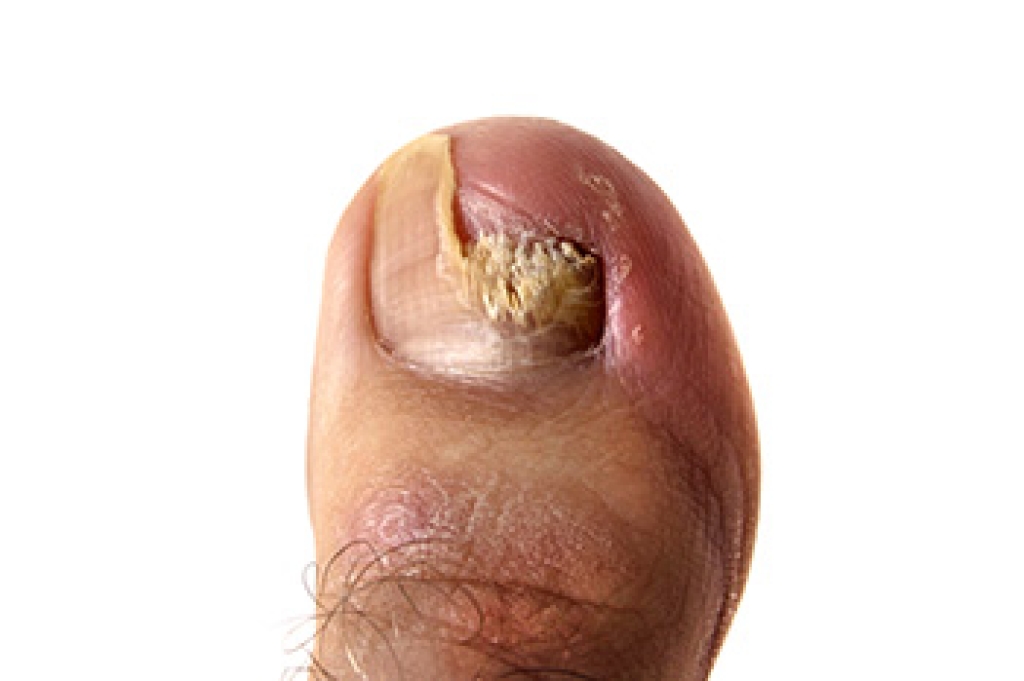
Toenails are affected more frequently than fingernails by fungus. The infection can cause a nail to become thick, discolored, or misshapen. It can also make the nail brittle or cause it to separate from the nail bed. Fungi grow well in warm, moist environments. Public showers, pool decks, and similar areas can expose feet to organisms that cause fungal infections.

Several factors can increase the risk of toenail fungus. Aging, diabetes, and athlete’s foot are linked with greater risk. Repeated minor injury to the nail can also allow fungi to enter. The infection frequently affects one or both big toenails and can take a long time to clear because toenails grow slowly. Not every abnormal-looking nail has a fungal infection. Nail changes can result from other conditions, which makes an accurate diagnosis important before treatment begins. Advanced infections can cause pain and damage to the nail.

A podiatrist can examine a discolored or thickened toenail and determine whether fungus is responsible. Testing a nail sample can help confirm the diagnosis because appearance alone is not always reliable. Treatment depends on the severity of the infection. Prescription antifungal medication can be applied to the nail or taken by mouth. A podiatrist can also thin and trim an affected nail to reduce pressure and support treatment. Patients with diabetes or poor circulation require careful attention because severe infections can lead to sores or additional infection. Toenail fungus can return after successful treatment, so follow-up care can help monitor the nail as healthy growth appears. If you have symptoms of toenail fungus, it is suggested that you schedule an appointment with a podiatrist for a diagnosis and appropriate treatment, which may include prescribed medication.

For more information about treatment, contact James Torhorst, DPM of Torhorst Foot and Ankle. Our doctor can provide the care you need to keep you pain-free and on your feet.

Toenail Fungus Treatment

Toenail fungus is a condition that affects many people and can be especially hard to get rid of. Fortunately, there are several methods to go about treating and avoiding it.

Antifungals & Deterrence

Oral antifungal medicine has been shown to be effective in many cases. It is important to consult with a podiatrist to determine the proper regiment for you, or potentially explore other options.

Applying foot powder on the feet and shoes helps keep the feet free of moisture and sweat.

Sandals or open toed shoes – Wearing these will allow air movement and help keep feet dry. They also expose your feet to light, which fungus cannot tolerate. Socks with moisture wicking material also help as well.

If you have any questions please contact our offices located in Waupaca and Stevens Point, WI . We offer the newest diagnostic and treatment technologies for all your foot and ankle needs.

Read more about Toenail Fungus

Wounds That Don't Heal Need to Be Checked

Your feet are covered most of the day. If you're diabetic, periodic screening is important for good health. Numbness is often a sign of diabetic foot and can mask a sore or wound.

Connect With Us