Connect With Us
Blog
Items filtered by date: August 2024
Tuesday, 27 August 2024 00:00
Differences Between Sprinting and Long-Distance Track Spikes in Running Shoes
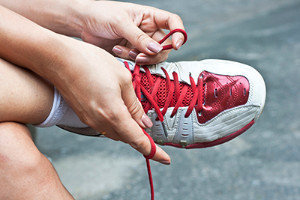
It is important to wear the right type of running shoes for your desired type of running. Choosing the right track spikes on shoes for running depends significantly on the type of event, whether it be sprinting or long distance. Sprinting spikes are designed for short, explosive bursts of speed. They feature lightweight construction, with stiff plates and minimal cushioning to maximize energy transfer and traction on the track. The spikes themselves are often shorter and more aggressive, providing superior grip for powerful starts and sharp turns. In contrast, long distance spikes prioritize comfort and endurance. They typically have more cushioning and support to absorb impact over extended periods. The spike plate is more flexible to accommodate the natural foot motion of longer races, and the spikes themselves are slightly longer for better grip on varying surfaces. This design helps runners maintain efficiency and reduce fatigue during races that require sustained effort over multiple laps or distances. Wearing shoes that are not designed for your specific type of running may lead to developing painful foot conditions. If this has happened to you, it is suggested that you promptly contact a podiatrist who can treat any foot problem and guide you toward buying appropriate running shoes.
You should always make sure your running shoes fit properly in order to avoid injury. For more information, contact James Torhorst, DPM from Torhorst Foot and Ankle. Our doctor can provide the care you need to keep you pain-free and on your feet.
Choosing the Right Running Shoe for Your Foot Type
Improper shoe sizing can cause a myriad of problems for your feet. Shoes that don’t fit you properly can lead to muscular imbalances in your body, which can result in foot, knee, and hip injuries.
Tips for Finding the Right Running Shoe
- Make sure you have a thumb’s width of wiggle room between the end of your longest toe and the front of the shoe.
- There should be little to no slipping at the heel
- Don’t assume your size in one shoe brand will be your size in another
- Do not lace up your shoes too tightly
- Walk around in the store with your new shoes before you buy them
If you have any questions please feel free to contact our our offices located in Waupaca and Stevens Point, WI . We offer the newest diagnostic and treatment technologies for all your foot and ankle needs.
Friday, 23 August 2024 00:00
Do Your Child's Feet Hurt?

Have your child's feet been examined lately? Healthy feet are happy feet. If your child is complaining of foot pain, it may be a sign of underlying problems.
Tuesday, 20 August 2024 00:00
Treatment for Fungal Toenail Infections
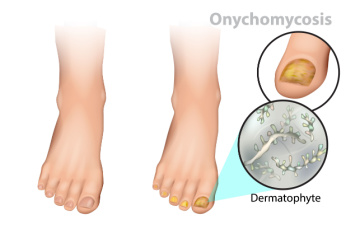 Fungal toenail infections, or onychomycosis, are common conditions where fungi invade the nails, leading to discoloration, thickening, and crumbling of the nail edges. These infections often cause the nails to turn yellow, brown, or white and can lead to discomfort or a foul odor. Fungal toenail infections occur due to exposure to fungi in warm, moist environments such as public showers, swimming pools, or locker rooms. They can also result from minor nail injuries, wearing tight-fitting shoes, or poor foot hygiene. Individuals with weakened immune systems, diabetes, or circulatory issues are more susceptible to these infections. Athletes and those who frequently wear closed-toe shoes are also at higher risk. Treatment options can include antifungal medications, which can be topical or oral. In severe cases, laser therapy or surgical removal of the affected nail may be needed. Maintaining good foot hygiene, keeping nails trimmed and dry, and wearing breathable footwear can help prevent infections. If you have toenail fungus, it is suggested that you contact a podiatrist for a proper diagnosis and care.
For more information about treatment, contact James Torhorst, DPM of Torhorst Foot and Ankle. Our doctor can provide the care you need to keep you pain-free and on your feet.
Toenail Fungus Treatment
Toenail fungus is a condition that affects many people and can be especially hard to get rid of. Fortunately, there are several methods to go about treating and avoiding it.
Antifungals & Deterrence
Oral antifungal medicine has been shown to be effective in many cases. It is important to consult with a podiatrist to determine the proper regiment for you, or potentially explore other options.
Applying foot powder on the feet and shoes helps keep the feet free of moisture and sweat.
Sandals or open toed shoes – Wearing these will allow air movement and help keep feet dry. They also expose your feet to light, which fungus cannot tolerate. Socks with moisture wicking material also help as well.
If you have any questions please feel free to contact our offices located in Waupaca and Stevens Point, WI . We offer the newest diagnostic tools and technology to treat your foot and ankle needs.
Tuesday, 13 August 2024 00:00
Key Considerations in Choosing Shoes for Restaurant Employees
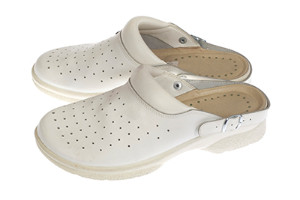
Selecting the right shoes for restaurant work involves focusing on durability, ease of cleaning, and proper fit. Durability is essential as restaurant workers face demanding conditions, requiring shoes that can withstand frequent use and exposure to spills and stains. Opt for materials that are resilient and capable of enduring the rigors of a busy kitchen. Ease of cleaning is also important, as shoes should be easy to wipe down or wash to maintain hygiene and appearance. Proper fit cannot be overstated, and shoes should offer ample support and cushioning to prevent discomfort and foot fatigue during long shifts. A well-fitted shoe reduces the risk of foot injuries and enhances overall job performance. If you have injured your foot while working, it is suggested that you contact a podiatrist who can offer appropriate treatment options.
While working on the feet, it is important to take the proper care of them. For more information about working on your feet, contact James Torhorst, DPM from Torhorst Foot and Ankle. Our doctor will treat your foot and ankle needs.
Working on Your Feet
Standing on your feet for long periods of time can cause stress and pain in your feet. Your whole body may experience change in terms of posture, back pain, bunions, callouses and or plantar warts. There are ways to avoid these conditions with proper foot care, smart choices and correct posture.
Positive Changes
Negative heeled shoe – Choosing this shoe type places the heel slightly lower than the ball of the foot. These are great for overall foot health. Find shoes that fit you correctly.
Go barefoot – Our feet were not designed to be enclosed for all hours of the day. Try to periodically expose your feet to air.
Eliminate Pain
Foot Exercises – Performing simple exercises, incorporating yoga and doing stretches are beneficial. This will allow increased blood flow to the area and muscles of the foot.
Achilles tendon – Stretching the foot out flat on the floor will relax the calf muscles and tendon. These exercises can be performed almost anywhere. Make sure you add these exercises to your daily regimen.
With a little bit of this information and knowing more about foot health, you will notice changes. Foot stretches and proper footwear will help with pain and prevent further issues.
If you have any questions please feel free to contact our offices located in Waupaca and Stevens Point, WI . We offer the newest diagnostic and treatment technologies for all your foot and ankle needs.
Tuesday, 06 August 2024 00:00
Differences Between Hammer Toes and Claw Toes
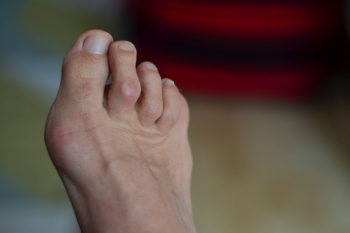
Hammer toes, claw toes, or mallet toes are all results of the toes getting bent into odd positions. They usually look odd and can be painful and often affect the smaller toes. When the toe is bent downward and the middle joint raises up, it is known as a hammertoe. Hammertoes normally happen when bunions occur, and they most often affect the second toe. Claw toes occur when the toes curl up because the middle joints are bent down, and they often affect the four smaller toes at the same time. When the joint closest to the tip of the toe bends downward, it forms a mallet toe. Wearing shoes that are too tight is the most common cause of these conditions, but they can also be linked to diabetes or arthritis. These toe conditions are usually painful and can cause other foot problems, like calluses. If you are struggling with one of these deformities, it is suggested you consult with a podiatrist who can offer treatment options and determine if surgery is necessary.
Hammertoes can be a painful condition to live with. For more information, contact James Torhorst, DPM of Torhorst Foot and Ankle. Our doctor will answer any of your foot- and ankle-related questions.
Hammertoe
Hammertoe is a foot deformity that occurs due to an imbalance in the muscles, tendons, or ligaments that normally hold the toe straight. It can be caused by the type of shoes you wear, your foot structure, trauma, and certain disease processes.
Symptoms
- Painful and/or difficult toe movement
- Swelling
- Joint stiffness
- Calluses/Corns
- Physical deformity
Risk Factors
- Age – The risk of hammertoe increases with age
- Sex – Women are more likely to have hammertoe compared to men
- Toe Length – You are more likely to develop hammertoe if your second toe is longer than your big toe
- Certain Diseases – Arthritis and diabetes may make you more likely to develop hammertoe
Treatment
If you have hammertoe, you should change into a more comfortable shoe that provides enough room for your toes. Exercises such as picking up marbles may strengthen and stretch your toe muscles. Nevertheless, it is important to seek assistance from a podiatrist in order to determine the severity of your hammertoe and see which treatment option will work best for you.
If you have any questions, please feel free to contact our offices located in Waupaca and Stevens Point, WI . We offer the newest diagnostic and treatment technologies for all your foot care needs.
